
TL;DR

Get pool and patio gear delivered free with Prime
- Fast, free delivery on millions of items
- Prime Video, Amazon Music and more included
- Member-only deals all year
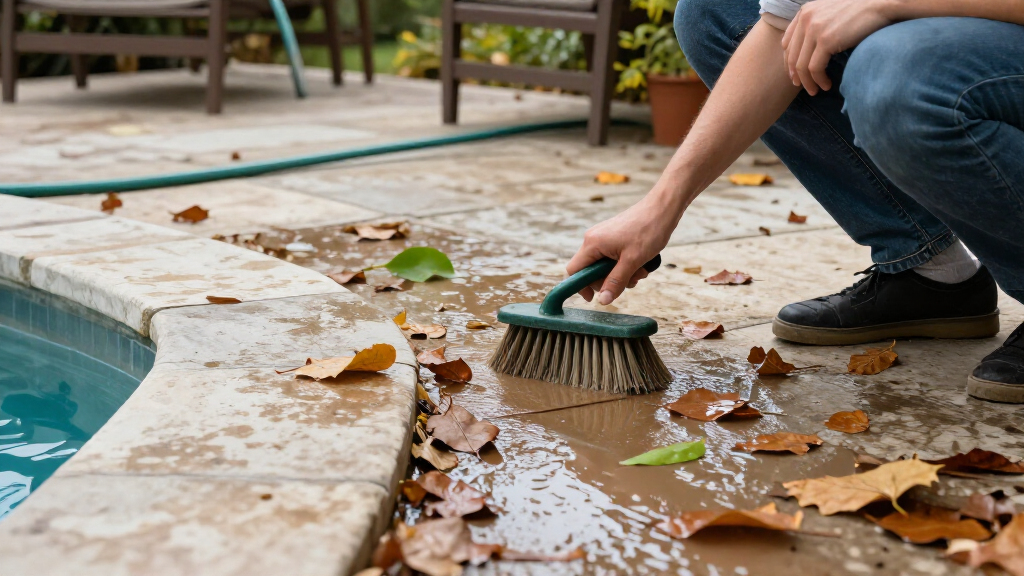
Garden experts say wet leaves left on patios can create slip hazards and may stain porous paving or encourage moss and algae. Their advice is to sweep leaves up regularly, especially after heavy rain; collected leaves can be composted or used to make leaf mould.
A garden-care report from Ideal Home says wet fallen leaves left on patios can create slip hazards and contribute to staining and moss or algae growth. Plant buyer Amber Tunney of Cherry Lane Garden Centres and outdoor expert Andrew White of Harbour Lifestyle recommend clearing leaves regularly, particularly after heavy rain.
Tunney said wet leaves can make patio surfaces slippery and advised sweeping them up regularly, especially after heavy rain. The report describes this as a practical safety concern for people walking across paths and paved areas; it does not provide injury statistics or compare risk across different paving materials.
White said decomposing wet leaves can stain porous paving and encourage moss and algae by trapping moisture. The source does not say how quickly staining or growth occurs, or whether every patio surface is affected to the same extent.
The report recommends removing leaves when they are noticed. It says a rake or leaf-collection tool can be used for manual clearing, while a powerful blower or garden vacuum may handle wet leaves. The article notes that wet leaves can be trickier for blowers and vacuums to clear, and does not establish that any particular product is required.
Keeping Patio Surfaces Safer
The advice matters because leaf build-up can affect both safe access and the appearance of outdoor paving. Wet leaves may make a patio slippery, while moisture and decomposing material can leave marks or support moss and algae on porous surfaces. Clearing them regularly can reduce these risks and may help limit later cleaning or surface-care work.
The recommendations are expert guidance reported by Ideal Home, not the findings of a controlled study. The source offers no measured estimate of how much sweeping reduces falls or prevents damage. Conditions such as rainfall, the paving material and how long leaves remain in place are not quantified.
Products Worth Considering

Dyson V8 Cyclone Cordless Vacuum

Dyson V15 Detect Cordless Vacuum

Dyson Ball Animal 3 Upright Vacuum
As an affiliate, we earn on qualifying purchases.
Autumn Leaves and Patio Care
The report frames the issue around autumn weather, when fallen leaves, wind and rain can leave debris on patios and paths. It distinguishes patio upkeep from the broader question of whether to clear every fallen leaf from a garden: its advice is specifically to remove leaves from paved areas, not to clear all leaves from the garden.
After collection, leaves need not go to waste. Tunney said they can be added to a compost heap or gathered to make leaf mould, which she said can improve garden soil. The report provides no detailed instructions on making leaf mould or guidance for particular garden conditions.
“Wet leaves can make patios very slippery, so it’s best to sweep them up regularly, especially after heavy rain.”
— Amber Tunney, plant buyer at Cherry Lane Garden Centres
How Risks Vary by Patio
The source does not give rates of falls or paving damage, or specify how long leaves must remain before staining or moss and algae appear. It also does not compare materials, weather conditions or cleaning methods. The degree of risk for an individual patio therefore remains unclear and may depend on its surface and local conditions.
The report offers expert recommendations rather than product testing or a formal safety assessment. Although it mentions leaf blowers, vacuums, rakes and collectors, it does not establish which tool works best for every patio or situation.
Clear Leaves and Reuse Them
The practical next step in the report’s advice is to check paved areas after rain and sweep away wet leaves regularly. People can collect them manually or use a suitable garden tool, bearing in mind that wet leaves may be harder to clear with a blower or vacuum than dry ones.
Collected leaves can be put in compost or saved for leaf mould, according to Tunney. The source does not announce any further research, official guidance or scheduled follow-up; it presents the recommendations as ongoing seasonal garden maintenance.
Key Questions
Why should wet leaves be cleared from a patio?
Garden experts cited by Ideal Home say wet leaves can make patio surfaces slippery. They may also trap moisture and contribute to staining, moss or algae on some paving.
When should patio leaves be swept up?
Amber Tunney recommends sweeping them up regularly, especially after heavy rain. The report does not give a fixed schedule, so conditions and how quickly leaves collect will vary.
Can wet leaves damage patio paving?
Andrew White says decomposing wet leaves can stain porous paving and encourage moss and algae. The source does not say that all paving types will be affected or quantify the likelihood of damage.
What can be done with leaves after collecting them?
Tunney says collected leaves can go into a compost heap or be used to make leaf mould for improving garden soil.
Source: idealhome.co.uk