
To keep your water safe and tasty, regularly monitor TDS levels using a portable meter. Managing buildup involves using effective filtration systems like reverse osmosis and performing regular filter maintenance. Flushing your plumbing and tanks also helps prevent mineral buildup that can damage appliances. Staying vigilant about TDS helps prevent issues with taste, health, and system longevity. If you’re interested in learning more about controlling TDS buildup, there’s useful information ahead.

Get pool and patio gear delivered free — and shop member deals
- Fast, free delivery on millions of items
- Access to Prime Big Deal Days deals on October 6–7
- Prime Video, Amazon Music and more included
Key Takeaways
- Regularly test TDS levels with a portable meter to detect buildup early.
- Maintain and replace water filters and reverse osmosis systems to control TDS accumulation.
- Implement flushing and cleaning routines for plumbing and water tanks to prevent mineral buildup.
- Use appropriate filtration methods to effectively reduce high TDS levels.
- Monitor water quality standards to ensure TDS remains within safe, palatable ranges.
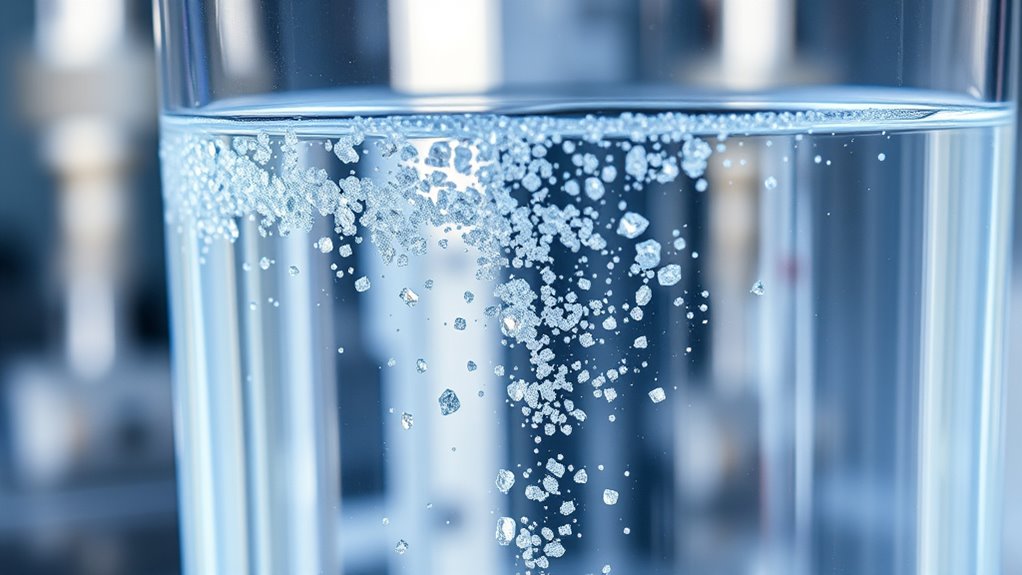
Have you ever wondered what makes up the quality of your drinking water? It’s more than just whether it tastes good or looks clear. Water quality depends on the presence of various dissolved substances, including minerals, salts, and organic materials. These are collectively known as Total Dissolved Solids, or TDS. TDS levels indicate how much of these substances are present in your water, and understanding them is key to ensuring your water remains safe and palatable. When TDS levels are too high, your water can taste salty, metallic, or bitter, and it might carry an increased risk of certain health issues or interfere with your appliances. Conversely, very low TDS levels might suggest the water has been overly purified, which can also remove beneficial minerals.
Monitoring TDS levels is straightforward and essential for maintaining good water quality. You can test your water using a TDS meter, a small, portable device that provides instant readings. Regular testing helps you identify when TDS levels rise above recommended standards, which typically range between 50 to 1500 parts per million (ppm), depending on the water source and intended use. Knowing these levels allows you to take appropriate action, whether that means installing a filtration system, flushing your system, or seeking alternative water sources. Managing TDS buildup is especially important if you use well water or have a water treatment system, as minerals and other dissolved solids tend to accumulate over time, affecting water taste and potentially damaging plumbing or appliances. Additionally, understanding the sources of TDS can help you choose the most effective filtration method for your needs.
Keeping TDS levels in check involves both monitoring and proper filtration. If TDS levels are elevated, installing a reverse osmosis system or other specialized filters can substantially reduce dissolved solids. These systems work by forcing water through membranes or media that trap minerals and salts, leaving cleaner, better-tasting water behind. Regular maintenance of your filtration system is vital, as filters can become clogged or less effective over time, allowing TDS levels to creep back up. Additionally, periodically flushing or cleaning your plumbing and water tanks can help prevent mineral buildup, which contributes to higher TDS concentrations. Proper management of TDS buildup not only improves water quality but also prolongs the lifespan of your appliances and plumbing.
In essence, understanding and managing TDS levels is an ongoing process that guarantees your water remains safe, healthy, and enjoyable to drink. By monitoring water quality consistently and employing effective filtration methods, you can prevent the negative effects of high dissolved solids and enjoy peace of mind in knowing your water is suitable for your household’s needs. Staying informed about water quality standards and regularly testing your water can help you maintain optimal TDS levels over time.
portable TDS meter for water testing
As an affiliate, we earn on qualifying purchases.
As an affiliate, we earn on qualifying purchases.
Frequently Asked Questions
How Often Should I Test My Water for TDS Levels?
You should test your water for TDS levels at least once a month to stay on top of buildup. Your TDS monitoring schedule depends on your water source and usage; if you notice changes in taste, smell, or clarity, test more frequently. Regular water testing helps you catch potential issues early and maintain water quality, ensuring your system runs efficiently and your water stays safe.
What Are the Health Effects of High TDS in Drinking Water?
You might not realize it, but high TDS in your drinking water can pose toxicity concerns and cause mineral imbalances. Drinking water with elevated TDS levels may lead to health issues like gastrointestinal discomfort, kidney stress, or altered taste. Over time, excess minerals can accumulate, impacting your overall health. It’s vital to monitor TDS regularly to confirm your water remains safe and free from harmful mineral buildup.
Can TDS Buildup Damage Specific Types of Plumbing or Appliances?
High TDS buildup can damage your plumbing and appliances by causing pipe corrosion and appliance scaling. As TDS levels rise, minerals like calcium and magnesium precipitate, forming scale that clogs or damages pipes and reduces appliance efficiency. Over time, this buildup can lead to leaks, decreased water flow, and costly repairs. Regularly monitoring TDS helps you prevent these issues, ensuring your plumbing and appliances stay in good condition longer.
What Is the Ideal TDS Range for Different Uses Like Drinking or Irrigation?
Think of water quality standards as your personal recipe for perfect water. For drinking, aim for a TDS range of 50-150 ppm, ensuring clean, tasty water. For irrigation, up to 2000 ppm is acceptable, nourishing plants without harm. Use TDS measurement techniques like a digital meter to monitor levels regularly. Staying within these ranges keeps your water safe and effective for its intended use.
Are There Eco-Friendly Methods to Reduce TDS Naturally?
You can reduce TDS naturally through eco-friendly methods like biological filtration, which uses beneficial microbes to break down dissolved solids, and natural dilution by adding rainwater or spring water to your supply. These approaches avoid chemicals and promote a healthier environment. Regularly maintaining biological filters and utilizing natural water sources help manage TDS buildup sustainably, ensuring safe drinking water or ideal conditions for irrigation without harming ecosystems.
Conclusion
By monitoring your TDS levels, managing your water quality, and preventing buildup, you take control of your system’s health. Regular testing keeps you informed, proper treatment keeps your equipment running smoothly, and consistent maintenance keeps buildup at bay. Stay vigilant, stay proactive, and stay confident in your water’s purity. With these steps, you create a clear, clean, and reliable water system—one that works seamlessly today, tomorrow, and beyond.
Fall Picks
fall essentials
As an affiliate, we earn on qualifying purchases.