
When choosing installation options—above-ground, in-ground, or partially in-ground—you’ll want to take into account your space, budget, and how permanent you need the setup to be. Above-ground setups are portable and easy to install but may lack stability, while in-ground installations offer durability and a sleek look but require more planning. Partially in-ground options balance flexibility with stability. Keep exploring to find the best method that suits your goals and future plans.
Key Takeaways
- Above-ground installations are portable, easy to set up, and suitable for temporary or seasonal use.
- In-ground setups provide durability, stability, and a sleek appearance for long-term installations.
- Partially in-ground options balance stability with flexibility, allowing quick access and easier maintenance.
- Your choice depends on space, budget, permanence, and future plans for the installation.
- Consider protection for delicate surfaces and long-term maintenance when selecting the optimal installation method.

Are you unsure which installation method best suits your needs? Choosing between above-ground, in-ground, or partially in-ground setups depends on your space, budget, and long-term plans. If you’re considering portable placement, you might lean toward above-ground options, which are easy to install, move, and remove as needed. These setups work well if you want flexibility or are testing a new location. They’re typically quicker to install and don’t require digging or extensive groundwork, making them ideal for temporary use or seasonal setups. On the other hand, a permanent setup involves installing your equipment or structure directly into the ground, offering stability and a sleek look. This method is generally more durable and can be integrated seamlessly into your landscape, but it requires planning, excavation, and a more significant upfront investment.
When evaluating your options, think about your future plans. If you’re unsure whether you’ll want the setup long-term, a portable placement might be the best choice. Portable setups often involve above-ground installation methods that can be easily relocated or removed without leaving a lasting mark on your property. They’re perfect if you’re renting or just experimenting with different locations. Plus, portable options tend to be more cost-effective initially, since they don’t involve extensive groundwork or permanent fixtures. However, if you’re committed to a permanent fixture and want a clean, integrated look, a permanent setup—often in-ground or partially in-ground—is more suitable. These installations offer stability, reduce clutter, and often require less maintenance over time.
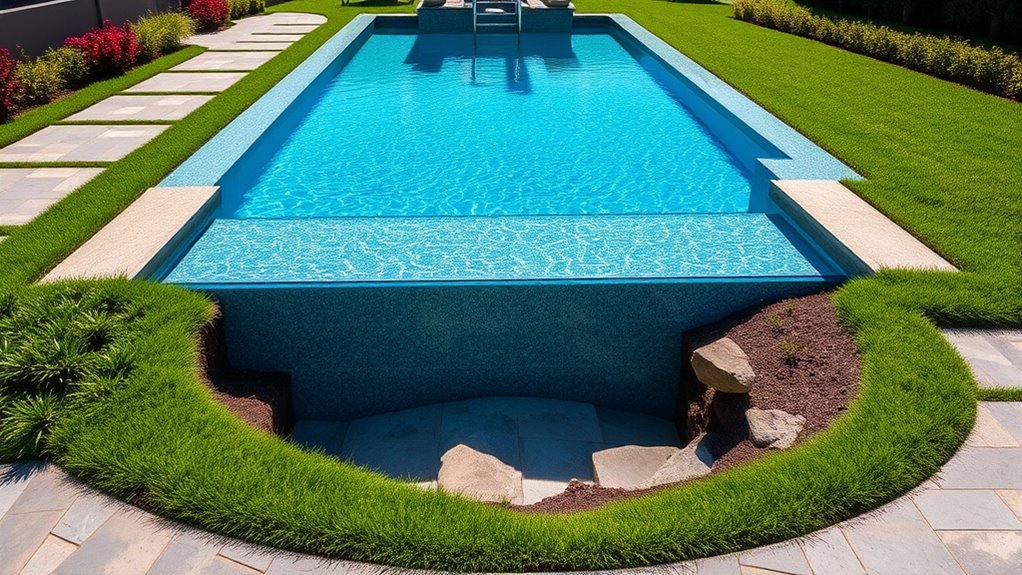
Additionally, considering delicate skin protection is important when planning outdoor installations, especially if you’re installing structures or equipment that may impact your landscape or environment. Partially in-ground installations strike a balance between the two. They involve embedding part of the structure into the ground for stability, but leave some components above ground for easy access or adjustments. This approach is advantageous if you want a semi-permanent solution that’s stable yet still somewhat flexible. It’s also useful when you need quick access for maintenance or future upgrades without entirely removing the setup. Keep in mind, however, that partially in-ground installations may require some excavation and planning but less than a full in-ground setup.
Ultimately, your decision hinges on how permanent you want your installation to be, your available space, and your budget. Above-ground options offer convenience and mobility, perfect for temporary or adjustable needs. In-ground and partially in-ground setups deliver durability and a sleek look for long-term use. By weighing these factors carefully, you can select the installation method that best fits your lifestyle and goals.
Frequently Asked Questions
What Are the Safety Considerations for Each Installation Type?
You should always identify safety hazards and follow installation guidelines to prevent accidents. Make certain of stability to avoid tipping or collapse, especially with above-ground setups. For in-ground or partially in-ground installations, watch for underground utilities and soil stability. Use proper tools, wear protective gear, and secure all components. Regular inspections help identify potential issues early, reducing risks. By prioritizing safety hazards and adhering to installation guidelines, you keep yourself and others safe.
How Long Does Each Installation Process Typically Take?
Oh, you’ll be thrilled to know that installation timelines vary wildly—ranging from a quick day for above-ground setups to several days or even weeks for in-ground projects. Expect the project duration to depend on soil conditions, permits, and site prep. So, if you’re in a rush, be prepared for a potential patience test. In short, plan for some downtime, as each method has its own pace and complexity.
Can Installation Options Be Customized for Specific Yard Layouts?
Yes, you can customize installation options to fit your yard layout. Many providers offer customization options that accommodate specific yard modifications, ensuring your setup integrates seamlessly. You can work with professionals to adjust the installation method, whether above-ground, in-ground, or partially in-ground, to suit your landscape. This flexibility helps create a more personalized and functional space, tailored precisely to your yard’s unique features and your preferences.
What Maintenance Is Required for Each Installation Method?
Think of maintenance as keeping your investment in tip-top shape. For each method, you’ll want to regularly clean and inspect for wear. Above-ground setups need protection from weather, while in-ground installations require checking for soil shifts that affect durability. Partially in-ground setups balance aesthetics and durability but still need periodic upkeep. Staying proactive guarantees your installation remains beautiful and resilient, preventing issues before they become costly headaches.
Are There Any Building Codes or Permits Needed?
You’ll need to check your local building codes and permit requirements before installing your system. Many areas require permits to ensure safety and compliance, especially for in-ground or partially in-ground setups. Building codes can specify installation standards, setback distances, and safety features. Contact your local building department early to confirm necessary permits and regulations, preventing potential fines or modifications later on. Always prioritize adhering to these regulations for a smooth installation process.
Conclusion
No matter which installation option you choose—above-ground, in-ground, or partially in-ground—you’ll want to pick what’s best suited for your space and needs. Each method has its own perks and challenges, so don’t put all your eggs in one basket. Consider your budget, maintenance, and aesthetics carefully. Remember, it’s better to be safe than sorry; sometimes, taking the extra step now saves you trouble down the road.