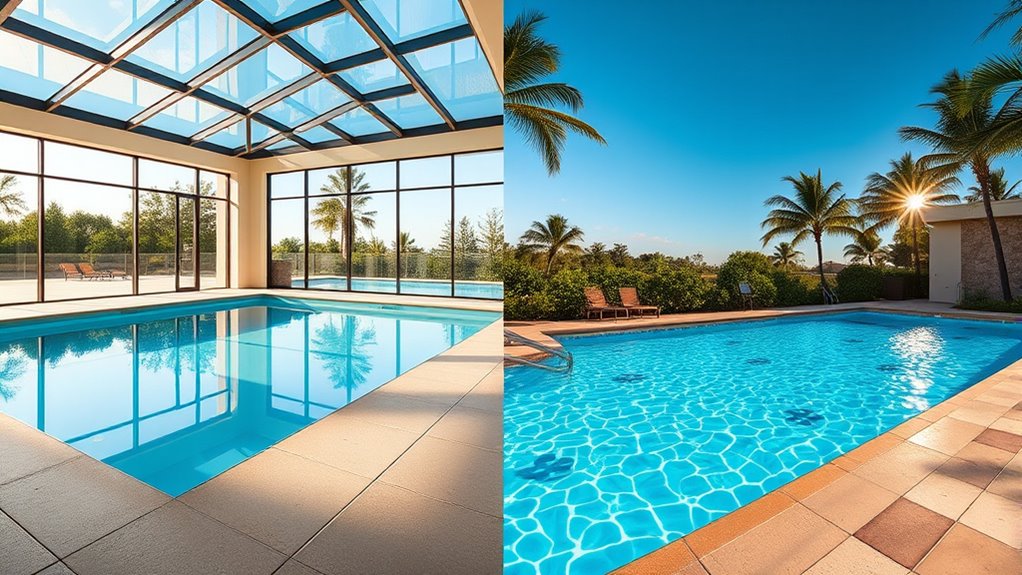
Choosing between outdoor and indoor endless pools depends on your lifestyle and climate. Outdoor pools offer a natural setting and more outdoor recreation, but they require more maintenance and are limited by weather and seasons. Indoor pools provide year-round accessibility and convenience but come with higher installation and ventilation costs. Consider how much effort you’re willing to invest and what environment suits you best. To discover which option fits your needs, explore the advantages and disadvantages further.
Key Takeaways
- Outdoor pools offer natural scenery and outdoor recreation but require more maintenance due to exposure to elements.
- Indoor pools provide year-round access regardless of weather, but involve higher installation and ventilation costs.
- Outdoor pools typically have lower initial costs but incur increased ongoing maintenance and seasonal limitations.
- Indoor pools enable consistent use for exercise and relaxation, unaffected by weather or seasonal restrictions.
- Climate influences suitability: outdoor pools excel in mild climates, while indoor pools are better for harsher weather conditions.
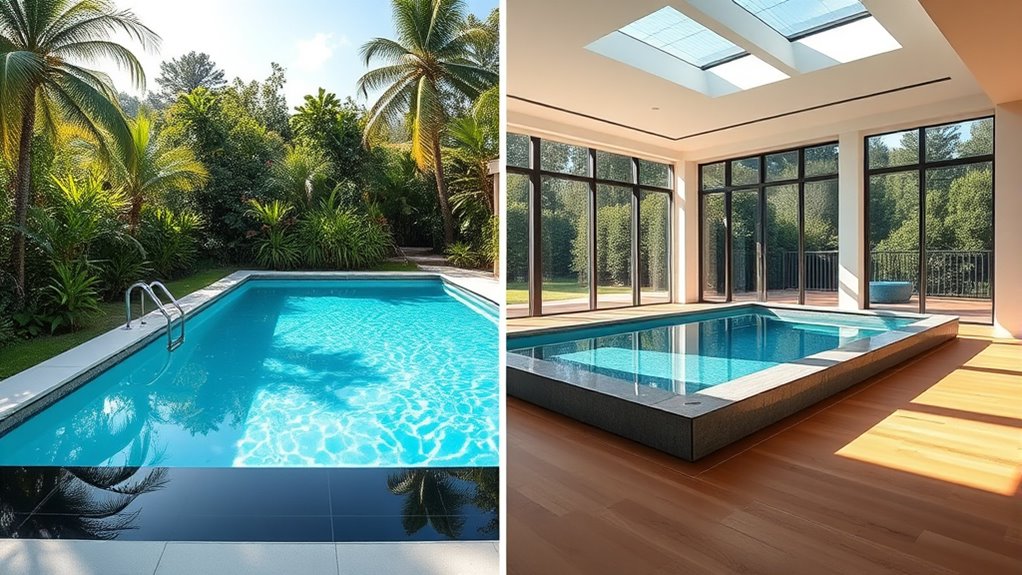
Are you wondering whether an outdoor or indoor endless pool suits your lifestyle best? It’s a question many consider when planning to add a pool to their home. Your choice impacts not only your swimming experience but also your budget and convenience. One of the first factors to weigh is maintenance costs. Outdoor pools tend to require more upkeep because they’re exposed to the elements. Leaves, dirt, insects, and debris can quickly accumulate, meaning you’ll need to clean the pool more often. UV rays and weather fluctuations can also wear down pool equipment faster, increasing repair and replacement costs over time. Incorporating AI tools for pool maintenance can help streamline cleaning and monitor equipment efficiency, potentially reducing ongoing costs. Indoor pools, on the other hand, are protected from weather, so they generally need less frequent cleaning and maintenance. However, they might involve higher initial installation costs, especially if you need to retrofit your space with proper ventilation and humidity controls.
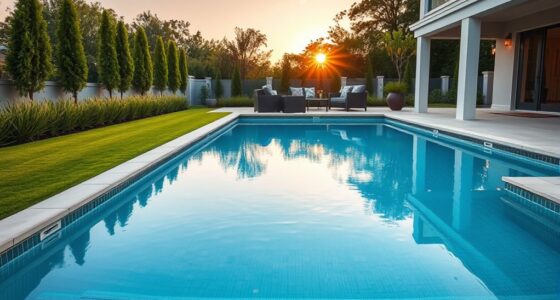
Outdoor pools require more maintenance due to exposure to the elements and debris.
Seasonal accessibility is another key consideration. Outdoor pools are only usable when weather permits, which can be a significant limitation depending on your climate. During colder months or rainy seasons, you might find your outdoor endless pool sitting unused, unless you invest in costly heating systems or covers. Conversely, indoor pools provide year-round accessibility, allowing you to swim regardless of outside weather. This consistency can be a major advantage if you’re someone who values regular exercise or relaxation without seasonal interruptions. However, keep in mind that indoor pools may require special ventilation systems to prevent moisture damage, which can add to your overall costs and maintenance responsibilities.
Additionally, think about your lifestyle and how often you plan to use the pool. If you enjoy swimming year-round and don’t mind the extra maintenance effort or higher upfront costs, an indoor pool might be the best fit. It offers convenience and consistent use, making it easy to integrate into your daily routine. On the other hand, if you prefer outdoor recreation and live in a climate with mild seasons, an outdoor endless pool can offer a beautiful, natural setting for relaxation. Just be prepared for seasonal closures or additional costs to keep the pool in top shape during harsher weather.
Ultimately, your decision hinges on balancing these factors: how much you’re willing to invest in maintenance and installation, whether year-round access is a priority, and how your local climate influences seasonal usability. Both options have their perks and challenges, so reflect on what matters most to your lifestyle before making your choice.
Frequently Asked Questions
How Do Maintenance Costs Compare Between Outdoor and Indoor Pools?
You’ll find that outdoor pools generally have a higher cost comparison for maintenance, mainly due to exposure to weather, debris, and UV rays that increase cleaning frequency. Indoor pools usually require less frequent cleaning and fewer repairs, helping keep maintenance costs lower over time. However, indoor pools might need more ventilation and humidity control, which can add to your ongoing expenses. Overall, outdoor pools tend to be more costly to maintain regularly.
Are Outdoor Pools More Susceptible to Weather Damage?
Yes, outdoor pools are more susceptible to weather damage, but you can protect your investment with the right pool cover options. Weather resistance varies depending on your cover choice, so investing in a durable, high-quality cover helps shield your pool from harsh conditions like heavy rain, snow, and wind. This minimizes damage and maintenance, ensuring your outdoor pool stays in great shape regardless of the weather.
What Are the Safety Considerations for Outdoor Pools?
You should prioritize pool security by installing fences, alarms, and covers to prevent accidents and unauthorized access. Be aware of environmental hazards like debris, insects, and UV exposure that outdoor pools face, and regularly maintain your pool to guarantee safety. Keep the area well-lit and ensure safety equipment is accessible. These steps help protect you and your loved ones while enjoying your outdoor pool responsibly.
Can Indoor Pools Be Used Year-Round in All Climates?
Indoor pools can be used year-round regardless of climate, making them a versatile choice. You can enjoy consistent comfort, control, and convenience, even in cold or unpredictable weather. However, seasonal usage might be limited if your indoor climate isn’t properly managed or heated. Proper preparation, like maintaining temperature and ventilation, guarantees your indoor pool remains a reliable retreat, regardless of exterior conditions or seasonal shifts.
How Does Sunlight Exposure Affect Indoor Pool Water Quality?
Sunlight exposure can impact your indoor pool water quality by increasing UV exposure, which might help reduce some bacteria, but it also promotes algae growth if not managed properly. To keep your pool clear and safe, you should limit direct sunlight, use appropriate pool covers, and maintain proper chemical balance. Regular cleaning and UV filters can also help control algae and prevent murky water, ensuring a pleasant swimming experience year-round.
Conclusion
So, whether you choose an outdoor or indoor endless pool, you’re about to unlock the ultimate aquatic adventure of your life. Imagine endless days of swimming bliss, turning your backyard into a personal paradise or transforming your home into a spa fortress. No matter your choice, you’ll be living the dream—becoming the superhero of your own aquatic universe. Get ready to swim, relax, and conquer every day like a true champion of the water!