
UV-C sanitizers and ozonators are effective, chemical-free options for disinfecting surfaces, air, and water when used safely and correctly. UV-C devices damage pathogens’ DNA or RNA, while ozonators produce ozone to disinfect tough spots. You should follow safety precautions, such as proper ventilation and device instructions, to avoid health hazards. Proper use guarantees safety and effectiveness. Keep exploring to find out how to maximize these tools safely in your space.
Key Takeaways
- UV-C sanitizers and ozonators are chemical-free alternatives for surface, air, and water sterilization.
- Proper usage, including exposure time and safety measures, is essential to ensure effectiveness and prevent health risks.
- Many devices feature safety features like automatic shut-off and sensors to minimize accidental exposure.
- Verify certifications or testing results to confirm the sterilization efficacy of these sanitizing accessories.
- Use in well-ventilated areas and follow manufacturer instructions to safely incorporate UV-C and ozonators into cleaning routines.

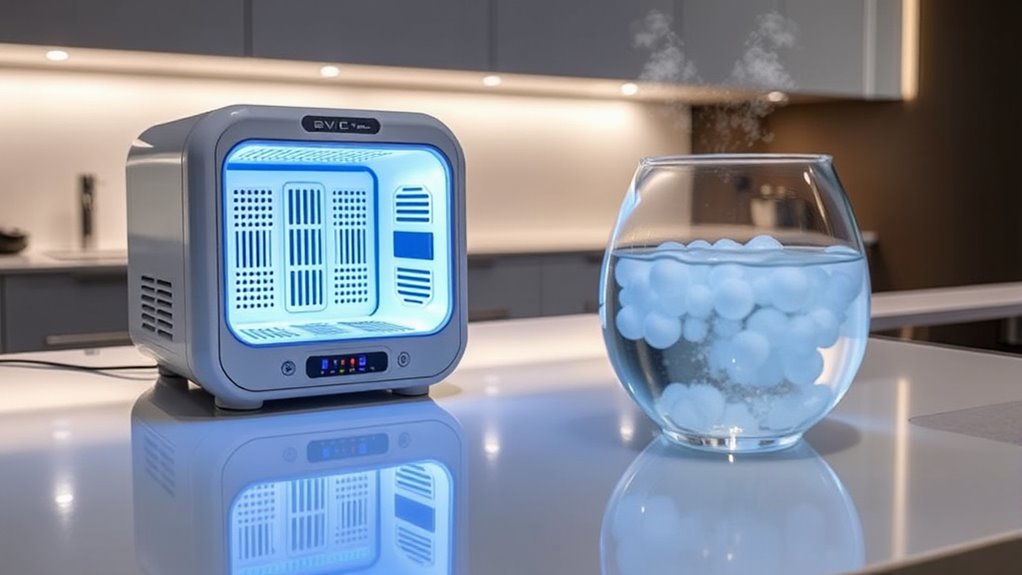
In today’s world, maintaining a clean and germ-free environment has become more important than ever, and UV-C sanitizers along with ozonators offer effective solutions. These devices are gaining popularity because they provide chemical-free ways to sanitize surfaces, air, and water quickly and efficiently. When considering UV-C sanitizers, you want to be sure about their sterilization effectiveness. UV-C light, with its specific wavelength, damages the DNA and RNA of bacteria, viruses, and other pathogens, rendering them inactive. Proper exposure time and intensity are critical factors that determine how well these devices eliminate germs. As you choose a UV-C sanitizer, check for certifications or testing results that validate their sterilization claims. This ensures you’re investing in a product that actually works as advertised, giving you peace of mind knowing your environment is safer.
Additionally, understanding the sterilization process involved in UV-C technology can help you make more informed decisions about its proper use and limitations. Safety considerations are equally important when using UV-C devices. Since UV-C light can be harmful to your skin and eyes, it’s vital to operate these devices properly. Always follow the manufacturer’s instructions and avoid direct exposure to skin or eyes during operation. Many UV-C sanitizers come with safety features, like automatic shut-off when opened or sensors that detect movement, to prevent accidental exposure. It’s also wise to keep children and pets away from UV-C devices while they’re in use. Ozonators, which produce ozone to disinfect air and surfaces, require their own safety precautions. Ozone can be irritating to your respiratory system, so ensure the area is well-ventilated during and after use. Never use ozonators in occupied spaces without proper ventilation, and adhere to recommended duration and ozone levels to avoid health risks.
Both UV-C sanitizers and ozonators are effective tools, but their success depends on correct usage and understanding their limitations. For example, UV-C light must directly reach surfaces; shadows or obstructions can reduce sterilization effectiveness. Similarly, ozone penetrates into crevices and hard-to-reach areas but can also be harmful if misused. You should always assess the safety considerations associated with these devices, making sure you’re using them in a way that maximizes their benefits while minimizing risks. Proper training or guidance can help you understand how to operate them safely and effectively.
Frequently Asked Questions
Are UV-C Sanitizers Safe for All Skin Types?
UV-C sanitizers aren’t safe for all skin types, especially if you have sensitive or skin irritation-prone skin. You should avoid direct skin contact with these devices, as they can cause irritation or damage. Always check the device compatibility and follow manufacturer instructions to prevent harm. If you’re unsure, consult a dermatologist before using UV-C sanitizers, especially if you have pre-existing skin conditions.
How Long Do Ozonators Take to Disinfect a Room?
Ozonators typically take 30 minutes to 2 hours to disinfect a room, depending on its size and ozone concentration. For smaller spaces, 30-45 minutes may suffice, but larger rooms might require up to 2 hours. You should also consider the ozone levels; higher concentrations disinfect faster but need proper ventilation afterward. Always follow manufacturer instructions to guarantee safe and effective use of your ozonator.
Can UV-C or Ozonators Damage Electronic Devices?
UV-C light and ozonators can pose risks to electronic devices if not used properly. Studies show UV-C can cause material degradation over time, risking electronic damage, while excessive ozone can corrode circuits. To guarantee device safety, keep electronics away from direct UV-C exposure and ozone generators. Always follow manufacturer guidelines, use protective barriers, and ensure proper ventilation. This way, you protect your devices without compromising sanitization effectiveness.
What Are the Maintenance Requirements for UV-C Sanitizers?
You should regularly maintain your UV-C sanitizer by checking the UV lamp lifespan, which typically lasts around 9,000 hours. Replace the lamp when it nears the end of its lifespan to guarantee effective sanitization. Additionally, perform regular cleaning of the device’s exterior and interior surfaces with a soft cloth to prevent dust buildup, which can block UV light and reduce effectiveness. Proper maintenance keeps your sanitizer working safely and efficiently.
Are There Any Health Risks Associated With Prolonged Ozone Exposure?
Prolonged ozone exposure can pose health risks like ozone inhalation and skin irritation. If you breathe in too much ozone, it can damage your lungs and respiratory system, leading to coughing or discomfort. Skin contact might cause irritation or burns. To stay safe, avoid breathing ozone fumes directly and limit skin exposure. Always use ozone-generating devices in well-ventilated areas, and follow safety guidelines to prevent health issues.
Conclusion
By choosing UV-C sanitizers and ozonators, you’re releasing the ultimate power to eliminate germs faster than a lightning strike. These high-tech accessories transform your cleaning routine into a superhero mission, making surfaces safer and air cleaner effortlessly. Embrace this modern, potent duo and watch germs vanish like magic—your home’s defenses will be unstoppable. Don’t settle for less; harness the future of cleanliness and keep your space truly germ-free with these incredible sanitizing allies.