
To balance soft and hard landscaping elements, focus on integrating native plants with eco-friendly hardscape materials like permeable pavers and reclaimed stone. Choose low-maintenance plants that thrive locally and complement natural features, while using sustainable materials for pathways and structures. This approach creates a harmonious, eco-conscious outdoor space that’s both beautiful and functional. Keep exploring how these trends can help you craft a resilient, environmentally friendly landscape that suits your style and surroundings.
Key Takeaways
- Incorporate native plants to create harmonious, low-maintenance softscape that complements eco-friendly hardscape materials.
- Use permeable, sustainable hardscaping elements like permeable pavers and reclaimed stone to enhance stormwater management.
- Balance soft and hard features by designing seamless transitions that highlight natural textures and regional aesthetics.
- Prioritize eco-conscious materials and native vegetation to promote landscape resilience, reduce resource use, and support local ecosystems.
- Focus on creating functional, visually appealing outdoor spaces that reflect environmental values and foster harmony with nature.
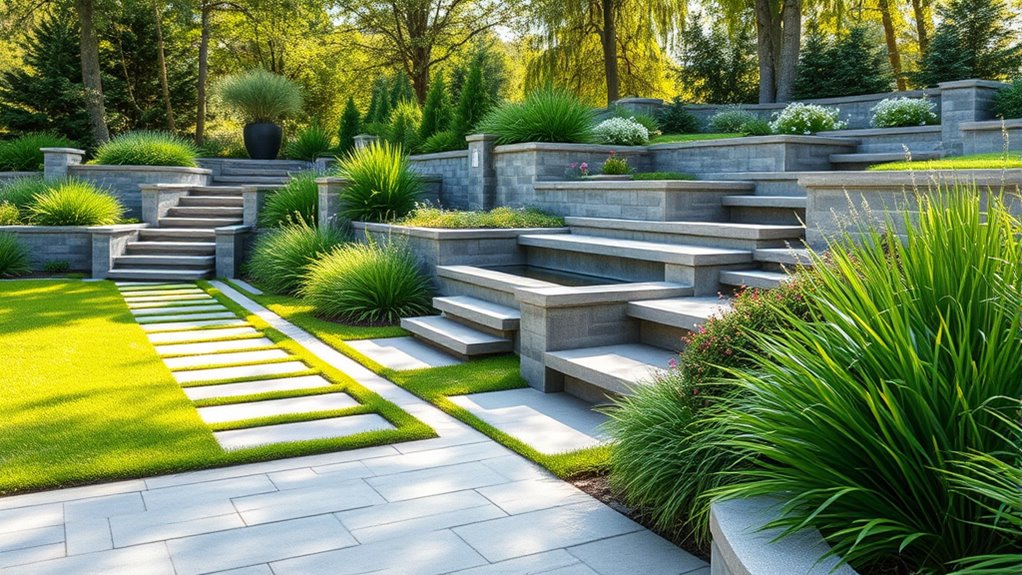
As outdoor living spaces become more popular, homeowners are increasingly embracing innovative landscaping and hardscaping trends to enhance their yards. One of the most effective ways to achieve a harmonious balance between soft and hard elements is by incorporating native plants into your landscape design. These plants are well-adapted to your local climate and soil conditions, which means they require less water, fertilizers, and pesticides. Choosing native plants not only creates a more sustainable yard but also supports local ecosystems and pollinators. They add natural beauty and texture to your landscape while reducing your environmental footprint. Pairing native plants with eco-friendly materials, such as permeable pavers, reclaimed stone, or recycled wood, further enhances the sustainability of your outdoor space. These materials help manage stormwater runoff, prevent erosion, and minimize the use of non-renewable resources.
Incorporate native plants and eco-friendly materials to create sustainable, beautiful, and harmonious outdoor spaces.
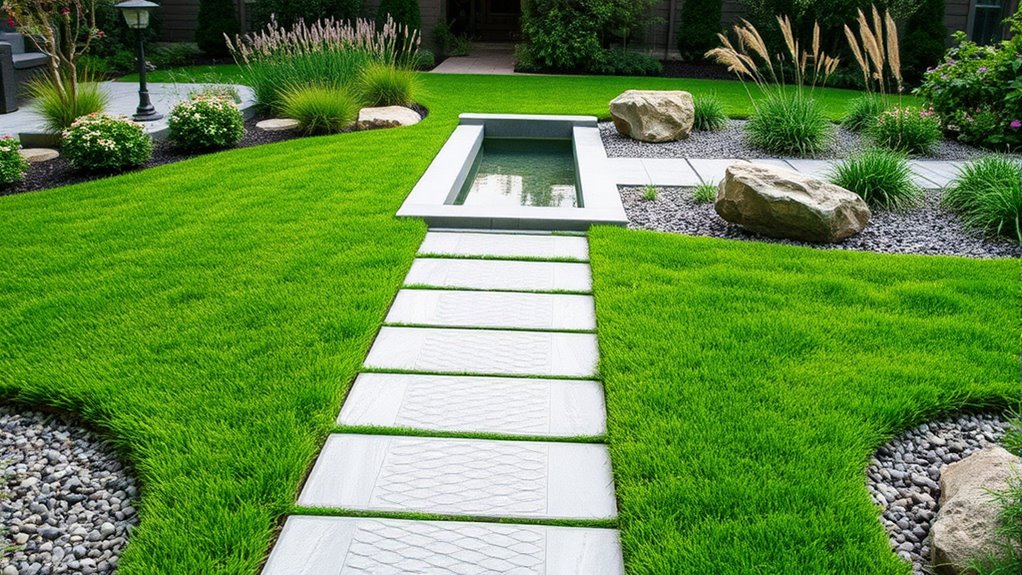
When designing your yard, think of the soft and hard elements as a team working in harmony. Softscape, made up of plants, grass, and other organic features, provides color, texture, and visual interest. Hardscape, consisting of patios, pathways, retaining walls, and other structural elements, offers functionality and structure. To create a seamless shift, choose natural materials that complement your native plants. For example, a flagstone pathway laid with eco-friendly mortar can wind through a garden filled with drought-tolerant native grasses and wildflowers. This approach emphasizes a low-maintenance, environmentally conscious landscape that’s both beautiful and practical.
Incorporating native plants into your hardscape design can also help reduce maintenance and watering needs. Since these plants are adapted to your region’s conditions, they thrive with minimal intervention, saving you time and resources. Use eco-friendly materials like recycled concrete or sustainably sourced wood for decks and fencing to further lessen your environmental impact. These choices not only improve the sustainability of your yard but also add a unique, rustic charm that blends seamlessly with the natural landscape.
Ultimately, balancing soft and hard elements with an emphasis on native plants and eco-friendly materials allows you to create a yard that’s both beautiful and sustainable. It emphasizes harmony with nature, reduces reliance on chemical inputs, and fosters a resilient outdoor environment. As you plan your landscape, focus on integrating these elements thoughtfully, ensuring your yard becomes a welcoming, eco-conscious retreat that reflects your values and enhances your outdoor experience.
Frequently Asked Questions
How Can I Incorporate Sustainable Materials Into My Landscape Design?
You can incorporate sustainable materials into your landscape by choosing native plants that thrive naturally in your area, reducing water and maintenance needs. Use recycled materials like reclaimed wood, bricks, or gravel for pathways, borders, and outdoor features. These choices not only minimize environmental impact but also create a cohesive, eco-friendly look. Incorporating native plants and recycled materials helps you design a sustainable, beautiful landscape that supports local ecosystems.
What Are the Best Plants for Low-Maintenance Landscaping?
Imagine it’s 1923, and you’re choosing plants that practically take care of themselves. Native plants and drought-tolerant species are your best bet for low-maintenance landscaping. They thrive with minimal watering and care, resisting pests naturally. Focus on hardy perennials, succulents, and ornamental grasses. These plants stay vibrant throughout the year, saving you time and effort. Embrace their resilience for a beautiful, hassle-free outdoor space.
How Do I Choose the Right Hardscape Features for My Climate?
To choose the right hardscape features for your climate, start by considering native plants that thrive locally, ensuring your hardscape complements them. Incorporate water features that suit your area’s rainfall and temperature patterns, avoiding water waste or damage. Think about durable materials like stone or concrete that withstand weather conditions. By balancing these elements with your climate, you create a sustainable, attractive outdoor space that requires less maintenance.
What Are Innovative Trends in Outdoor Lighting Design?
You can enhance your outdoor space by exploring innovative lighting trends like solar-powered fixtures that save energy and add charm. Smart lighting systems are also gaining popularity, allowing you to control brightness, color, and timing from your smartphone. These trends create a customizable, eco-friendly ambiance, making your yard more inviting and functional. Incorporate these options to modernize your landscape while benefiting from energy efficiency and convenience.
How Can I Create Privacy Without Sacrificing Aesthetic Appeal?
You can create privacy without sacrificing appeal by installing stylish garden fences or privacy screens that complement your landscape. Choose materials like bamboo, wood, or decorative metal for visual interest. Incorporate climbing plants or hedges alongside these structures to add softness and natural beauty. This balance provides seclusion while enhancing your outdoor space’s aesthetic, making it both functional and inviting.
Conclusion
Imagine stepping into your yard, where lush greenery gently sways beside sleek stone pathways, blending softness with structure. By balancing your landscape’s soft plants and sturdy hardscaping, you create a harmonious outdoor sanctuary. Embrace these trends to craft a space that invites relaxation and inspires awe. With thoughtful harmony, your yard transforms into a vibrant retreat—where nature’s gentle whispers meet the solid touch of modern design, offering beauty and comfort in every glance.