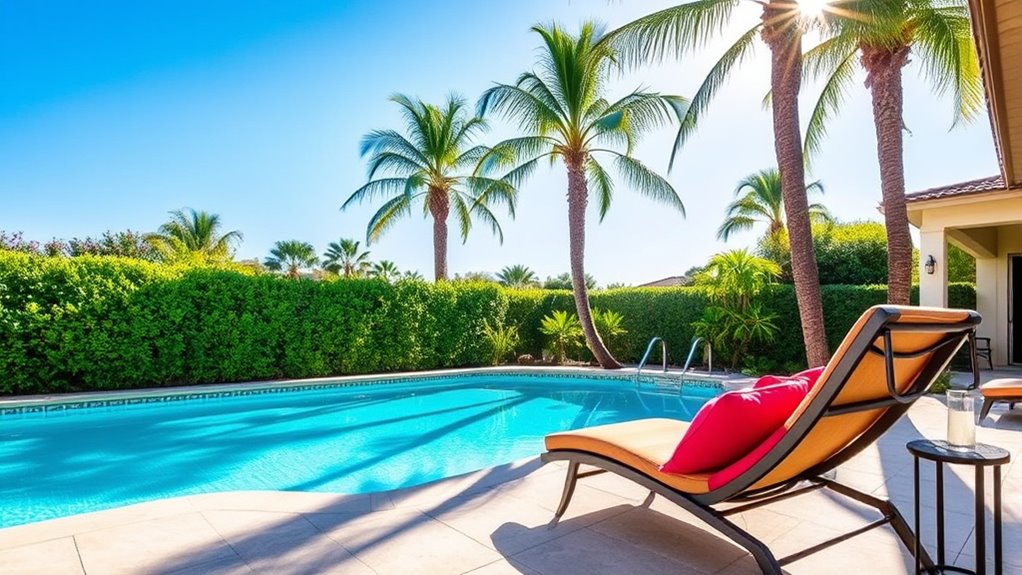

Deciding if a pool is worth the investment depends on your lifestyle and financial priorities. While a pool can boost your property value and provide a private oasis for relaxation, it also involves high initial costs and ongoing maintenance. You’ll need to budget for cleaning, repairs, and seasonal tasks. If you’re willing to handle these challenges, a pool can enhance your home and daily enjoyment. Explore further to see if the benefits outweigh the costs for you.
Key Takeaways
- Initial costs and ongoing maintenance expenses can be significant, impacting long-term affordability.
- Technological advances may reduce maintenance efforts and costs over time.
- A pool can enhance property value and provide lifestyle benefits like relaxation and entertainment.
- Maintenance challenges include routine cleaning, chemical balancing, and seasonal tasks, requiring time and money.
- Personal priorities and financial situation determine if the benefits outweigh the costs for individual homeowners.

Have you ever wondered how to determine if investing in a pool is financially worthwhile? It’s a question many homeowners ask when weighing the potential benefits against the costs. To start, you need to do a thorough cost comparison, which involves looking at both the initial purchase and installation expenses, as well as ongoing maintenance costs. Pools can be expensive upfront, often costing several thousand dollars depending on size and features. But the true financial picture becomes clearer when you consider maintenance challenges that come with pool ownership. Regular upkeep is essential to keep your pool safe, clean, and functional, and those tasks add up over time.
Maintenance challenges include routine cleaning, chemical balancing, equipment repairs, and seasonal closing and opening. You might find yourself spending hours each week skimming leaves, vacuuming the bottom, or adjusting chemicals to prevent algae growth and ensure water safety. These tasks not only require time but also money—purchasing cleaning supplies, chemicals, and possibly hiring professional services if you’re unable to do the work yourself. Equipment such as filters, pumps, and heaters can break down unexpectedly, leading to costly repairs or replacements. The more you understand about these ongoing expenses, the better you can assess whether a pool aligns with your financial comfort zone. Additionally, advancements in nanotechnology are leading to innovative pool cleaning solutions and more durable equipment that could potentially reduce long-term maintenance costs.
Routine cleaning, chemical balancing, and equipment repairs can be time-consuming and costly.
On the other hand, a pool can add value to your property and enhance your lifestyle, especially if you love entertaining or enjoy regular swimming. It offers a private oasis where you can relax, exercise, and spend quality time with family and friends. From a purely financial perspective, some studies suggest that a well-maintained pool can boost your home’s resale value, but this isn’t guaranteed. It depends on your local market, the pool’s condition, and how much potential buyers see it as an asset versus a maintenance burden.
Ultimately, deciding if a pool is worth the investment comes down to your personal priorities and financial situation. If you’re prepared for the initial investment and ongoing maintenance challenges, and if you value the lifestyle benefits more than the costs, then a pool could be a worthwhile addition. However, if the ongoing upkeep seems overwhelming or the costs outweigh the benefits for your circumstances, it might be better to explore alternatives like community pools or other recreational options. Carefully weighing the cost comparison against the maintenance challenges will help you make an informed decision that aligns with your financial goals and lifestyle preferences.
automatic pool cleaner
As an affiliate, we earn on qualifying purchases.
As an affiliate, we earn on qualifying purchases.
Frequently Asked Questions
How Long Does a Typical Pool Installation Take?
A typical pool installation takes about 8 to 12 weeks, depending on pool construction timelines and project complexity. You might experience installation delays due to weather, permit issues, or supply chain disruptions. To stay on track, communicate regularly with your contractor and plan for potential setbacks. Staying proactive helps guarantee your project wraps up within the expected timeframe, so you can enjoy your new pool sooner.
What Are the Most Common Maintenance Costs?
Your most common maintenance costs include regular pool chemicals to keep the water balanced and safe, and pool cleaning to prevent algae and debris buildup. You’ll spend on things like chlorine, pH adjusters, algaecides, and occasional equipment repairs. Consistent cleaning, whether DIY or professional, is essential to sustain clarity and prevent costly issues. Budgeting for these ongoing expenses helps ensure your pool stays inviting and in good condition year-round.
Can a Pool Increase Property Value Significantly?
A pool can boost your property value by up to 7%, but safety and landscaping costs matter. If you prioritize pool safety, like fencing and covers, it reassures buyers and adds value. However, keep in mind that landscaping costs to complement your pool might offset some gains. Overall, a well-maintained pool enhances curb appeal and offers a fun oasis, making your home more attractive and potentially increasing its market value.
Are There Eco-Friendly Pool Options Available?
Yes, eco-friendly pool options are available. You can choose solar heating to harness renewable energy, reducing electricity costs and your carbon footprint. Natural filtration systems use biological processes instead of chemicals, making maintenance safer and more sustainable. These options help you enjoy your pool while minimizing environmental impact. By opting for solar heating and natural filtration, you make an eco-conscious choice that benefits both the environment and your wallet.
What Insurance Considerations Are Involved With Pool Ownership?
Think of your pool as a shimmering oasis, but it also comes with storm clouds. You need to guarantee your insurance coverage includes pool safety, protecting you from potential accidents or liability claims. Check with your provider about specific pool-related clauses and possibly increase your coverage. Proper insurance safeguards your paradise, giving you peace of mind, so you can relax and enjoy your backyard haven without worry.
pool chemical testing kit
As an affiliate, we earn on qualifying purchases.
As an affiliate, we earn on qualifying purchases.
Conclusion
Deciding if a pool is worth it ultimately depends on your lifestyle and priorities. Weigh the ongoing costs against the enjoyment and convenience it provides—like hosting summer soirées or cooling off on hot days. Remember, a pool isn’t a magic potion for happiness, but with careful planning, it can be a modern-day fountain of joy. Just don’t expect it to turn your backyard into a chateau—think of it more as an investment in your personal “castle.”
above ground pool pump
As an affiliate, we earn on qualifying purchases.
As an affiliate, we earn on qualifying purchases.
pool maintenance tools
As an affiliate, we earn on qualifying purchases.
As an affiliate, we earn on qualifying purchases.