
To clear cloudy water without dumping random chemicals, first identify the root cause—whether algae, minerals, or debris—using proper tests. Adjust pH and alkalinity naturally, and use eco-friendly clarifiers to bind particles. Maintain your filtration and circulation systems, regularly skim debris, and apply gentle, natural oxidizers or clarifiers. Avoid overusing chemicals and keep up with routine maintenance. If you follow these steps, you’ll learn effective, environmentally safe ways to keep your water crystal clear.
Key Takeaways
- Diagnose water issues with proper testing for algae, minerals, and bacteria before adding chemicals.
- Maintain balanced pH, alkalinity, and sanitizer levels to prevent cloudiness naturally.
- Improve filtration and circulation to suspend debris and evenly distribute cleaning agents.
- Use natural clarifiers like alum or barley straw to enhance clarity without harsh chemicals.
- Regularly inspect and clean equipment, and consider professional help for persistent cloudiness.
What Causes Cloudy Water in Pools and Spas?

Cloudy water in pools and spas often results from imbalances or contaminants that disrupt the water’s clarity. Algae blooms are a common cause, thriving when sanitizer levels drop, turning clear water green or murky. Mineral buildup, another culprit, occurs when minerals like calcium or magnesium accumulate over time, forming deposits that cloud the water. These issues can happen if pH levels aren’t properly maintained or if you don’t regularly filter and circulate the water. Organic debris, bacteria, and oils from swimmers also contribute to cloudiness, but algae blooms and mineral buildup are primary offenders. Addressing these causes involves balancing chemicals and cleaning filters, helping to keep your water clear and inviting without resorting to drastic measures. Additionally, reducing microplastics in dust and maintaining proper ventilation can help improve overall water and air quality around your pool area. Ensuring proper water filtration and circulation is essential to prevent mineral deposits and organic buildup, keeping the water crystal clear. Proper maintenance of chemical balance is also vital to prevent recurring cloudiness and ensure a safe swimming environment.
How to Test and Diagnose Water Quality Issues
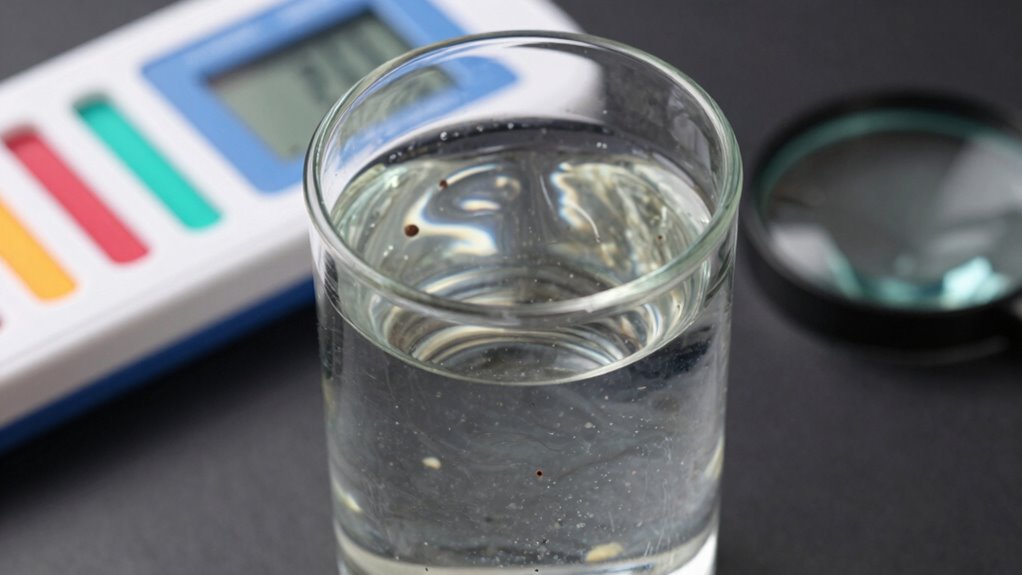
To keep your water clear, you need to know how to test and interpret water quality. You’ll learn about different testing methods and what your results mean. This knowledge can help you identify issues early and prevent costly repairs. Incorporating outdoor safety measures can further protect you from potential hazards related to water quality. Understanding the differences between twin flame vs soul tie connections can also help you recognize underlying emotional issues that affect your water and environment, ensuring a healthier space. Additionally, using proper nutritional information can support overall health by reducing exposure to harmful contaminants that may influence water quality and safety. Being aware of Gold IRA markets can also provide insights into secure investment options that safeguard your financial future amidst environmental concerns.
Testing Methods Overview
Wondering how to determine the cause of cloudy water? Start by testing for biological contaminants, like algae or bacteria, which can cause cloudiness and pose health risks. Use water test kits designed to detect these organisms, or send a sample to a lab for detailed analysis. Additionally, check for mineral deposits, such as calcium or magnesium buildup, which can cloud water and damage equipment. Test strips or digital testers can measure mineral levels quickly and accurately. Regular testing helps identify whether biological contaminants or mineral deposits are the root cause of your water issues. Incorporating water quality testing methods and understanding contaminant levels ensures you have a clear understanding of your water’s condition and can address issues effectively. Performing comprehensive water analysis can provide a complete picture of all potential contaminants, helping you choose the most effective treatment options. It’s also important to understand testing protocols to ensure accurate and reliable results. Employing proper calibration techniques guarantees the precision of your measurement devices, leading to more trustworthy data.
Interpreting Water Test Results
Understanding your water test results is essential for accurately diagnosing water quality issues. When reviewing pH levels, watch for fluctuations that can upset the balance, leading to cloudy water or algae growth. A pH that’s too high or too low signals the need for adjustment, as it affects chemical effectiveness and algae control. Look closely at alkalinity and chlorine levels to identify imbalances that promote algae growth or cloudy water. If tests show elevated phosphates or nitrates, algae growth may be imminent. Consistent testing helps you detect trends and pinpoint problems early. Remember, interpreting results isn’t just about numbers—it’s about understanding how these values interact and impact your water clarity. Monitoring water purifier maintenance and ensuring filters are functioning properly can also influence test outcomes. Regular testing and understanding water chemistry are key to maintaining optimal water quality. Correct diagnosis allows you to target the right remedies, avoiding unnecessary chemicals and ensuring clearer, healthier water.
Safely Adjust pH and Alkalinity for Clearer Water

Adjusting your pool’s pH and alkalinity levels is essential for maintaining clear, healthy water. Proper pH balancing prevents cloudy water caused by imbalanced acidity or alkalinity. To do this safely, test your water regularly with a reliable kit. If the pH is too low (acidic), add a pH increaser like baking soda or sodium carbonate gradually, rechecking after each addition. If it’s too high (alkaline), use a pH reducer such as muriatic acid or sodium bisulfate carefully, following the manufacturer’s instructions. For alkalinity adjustment, add alkalinity increasers or reducers as needed, maintaining levels between 80-120 ppm. Always add chemicals slowly and in small amounts, avoiding overshooting, to keep your water balanced and clear without risking damage or irritation. Regular testing ensures you can maintain proper water chemistry and prevent cloudiness effectively.
Apply Natural Clarifiers to Improve Water Clarity
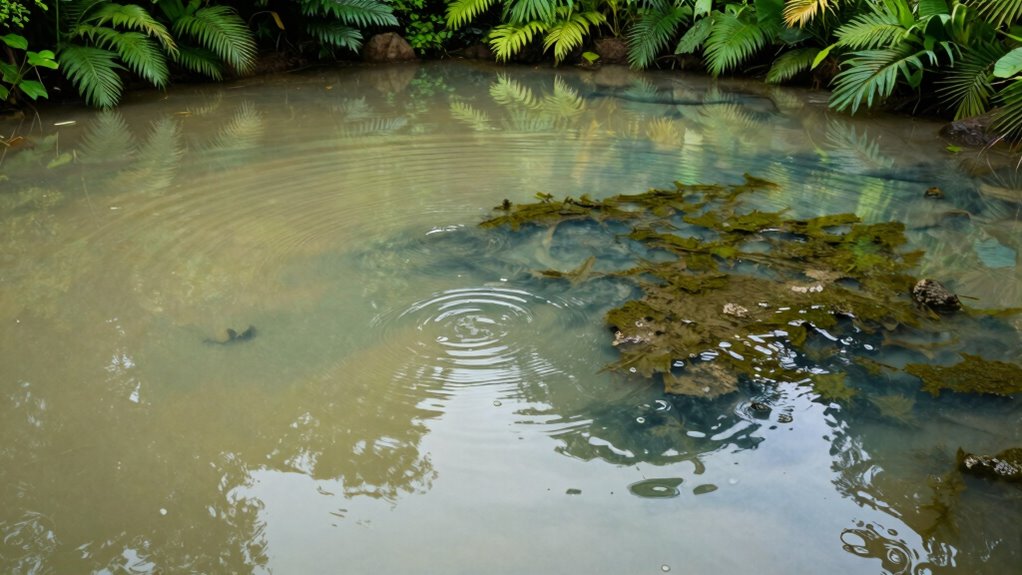
Using natural clarifiers is an effective way to enhance water clarity without relying on harsh chemicals. These natural options, like alum, barley straw extract, or gelatin, help bind small particles together, making them easier for your filtration system to remove. When you add natural clarifiers, they work quickly to improve water transparency, giving your pool that crystal-clear look you desire. Unlike synthetic chemicals, natural clarifiers are gentle on your pool’s ecosystem, reducing chemical buildup and promoting safer swimming conditions. Proper application techniques ensure optimal results and prevent potential issues with overuse. Incorporating water treatment methods can further support a healthier, more balanced pool environment, keeping your water sparkling without compromising safety or quality. Additionally, understanding cabling solutions and proper installation techniques can help maintain the integrity of your pool equipment and prevent issues related to electrical safety and performance. Implementing natural water balance strategies can also help sustain clarity over time and minimize the need for frequent treatments.
Keep Your Filtration and Circulation Systems in Top Shape

Maintaining your filtration and circulation systems is essential for keeping your water clear and healthy. Regularly check and clean your water filtration to ensure it’s functioning properly. A clean filter traps debris and prevents buildup that can cloud your water. Your circulation systems, including pumps and skimmers, need to operate efficiently to distribute chemicals evenly and prevent stagnation. Run your pump long enough each day to keep water moving and debris suspended, making filtration more effective. Clear circulation reduces algae growth and helps maintain proper chemical balance. Don’t ignore signs of wear or blockages—address issues promptly to avoid costly repairs. Regularly inspecting filtration system components and performing timely maintenance can extend their lifespan and improve water clarity. Keeping your water filtration and circulation systems in top shape is a simple yet critical step toward crystal-clear water without relying on harsh chemicals.
Clean Debris and Maintain Your Pool or Spa for Crystal Clear Water

To keep your pool or spa sparkling, you need to remove surface debris regularly and keep the water free of leaves and dirt. Skimming and vacuuming help eliminate particles that can cloud the water and affect your equipment. Ensuring proper water circulation also plays a key role in maintaining clarity and preventing buildup.
Remove Surface Debris
Have you ever noticed debris floating on the water’s surface before it turns murky? If so, it’s a sign you need to address surface agitation and debris removal promptly. Surface debris can hinder proper filtration, leading to cloudiness. To keep your water crystal clear, regularly skim the surface with a leaf net or skimmer. This simple step removes leaves, bugs, and other floating particles before they sink or decay. Maintaining good surface agitation also helps prevent debris from settling and promotes better circulation. Consistent debris removal not only improves water clarity but also reduces strain on your filter system. Make it a habit to check and clear the surface daily, especially after storms or windy days, to keep your pool or spa looking pristine.
Skim and Vacuum Regularly
Regularly skimming and vacuuming your pool or spa is essential for keeping water crystal clear. Use effective skimming techniques to quickly remove leaves, bugs, and surface debris before they sink or decay. Consistent skimming prevents buildup that can cloud your water. When vacuuming, ensure your vacuum maintenance is exemplary—check hoses, filters, and brushes for proper function. Vacuuming helps remove dirt and algae settled on the pool floor, preventing it from circulating back into the water. Establish a routine to keep debris from accumulating, reducing the need for harsh chemicals and intensive filtering. Proper skimming techniques combined with regular vacuum maintenance will considerably improve water clarity and overall pool health, making your swimming experience more enjoyable and hassle-free.
Keep Water Circulation Optimal
Ensuring your pool or spa maintains proper water movement is key to achieving crystal-clear water. Good circulation helps distribute chemicals evenly, preventing algae buildup and promoting algae prevention. When water flows properly, debris is less likely to settle, reducing cloudiness. Regularly run your pump and check that skimmers and return jets are unobstructed. Maintaining ideal circulation also supports chemical safety by ensuring sanitizer disperses evenly, avoiding pockets of bacteria or algae growth. Remember, stagnant water encourages algae and other contaminants, so don’t skip routine circulation. Clean filters as needed to keep water moving smoothly. By prioritizing circulation, you’re actively working to keep your water clean, clear, and safe without relying on harsh chemicals.
Common Mistakes That Cause Water Cloudiness and How to Avoid Them
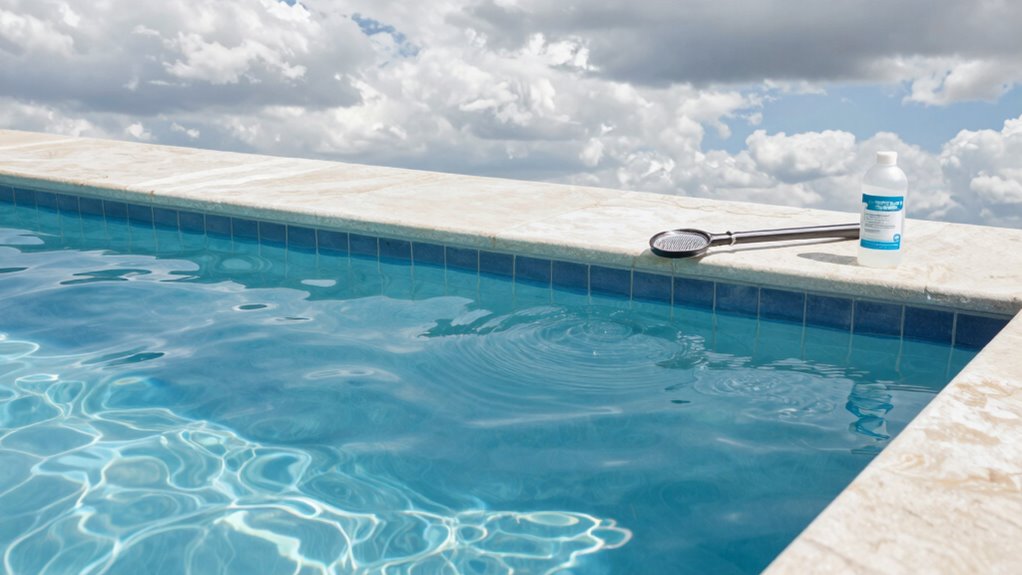
One common mistake that often leads to cloudy water is neglecting proper filtration or overloading the filter system. When your filter isn’t working effectively, debris and algae spores settle, making water appear murky. To avoid this, consider these points:
- Regularly clean and maintain your filter to guarantee peak performance.
- Limit chemical dependency by balancing natural algae prevention methods instead of overusing chemicals.
- Avoid overloading the pool, which strains filtering capacity and promotes cloudiness.
- Use a skimmer and brush regularly to remove surface debris and algae starters before they spread.
Gentle, Eco-Friendly Shock Treatments for Persistent Cloudiness

Using natural oxidizers can help clarify your water without harsh chemicals. Gentle shock alternatives work gradually to eliminate cloudiness while protecting your eco-friendly goals. Focusing on eco-friendly water balance makes it easier to maintain clear, healthy water long-term.
Natural Oxidizers for Clarity
When persistent cloudiness plagues your pool, natural oxidizers offer an eco-friendly and gentle way to restore clarity. These solutions harness natural enzymes and mineral purifiers to break down organic contaminants without harsh chemicals. To boost water clarity, consider these options:
- Use enzyme-based clarifiers that digest oils, lotions, and organic matter.
- Add mineral purifiers, like copper or silver ions, to inhibit algae and bacteria.
- Incorporate natural oxidizers that enhance filtration by breaking down debris at a molecular level.
- Combine enzymatic treatments with mineral purifiers for a synergistic effect, reducing cloudiness and maintaining a healthy, clear pool.
These methods are safe, effective, and environmentally friendly, helping you keep your water crystal clear without resorting to aggressive chemicals.
Gentle Shock Alternatives
Are traditional shock treatments too harsh for your pool’s delicate balance? If so, consider gentle shock alternatives that prioritize eco-friendly options. Natural remedies like hydrogen peroxide or mineral-based shock products can effectively clear cloudiness without disrupting your water chemistry. These solutions work by oxidizing contaminants gently, helping your pool stay balanced and safe for swimmers. Eco-friendly options often contain fewer harsh chemicals, reducing environmental impact and minimizing skin or eye irritation. Using gentle shock treatments regularly can maintain clarity without the aggressive chemical shock, making your pool safer and more sustainable. Always follow manufacturer instructions and test your water frequently to ensure ideal results. These eco-conscious choices help you achieve crystal-clear water while respecting the environment.
Eco-Friendly Water Balance
Maintaining a clear, healthy pool water balance is key to preventing persistent cloudiness, especially when opting for gentle, eco-friendly shock treatments. To support this, focus on biodegradable cleaning products and mineral balancing techniques. These methods reduce chemical use and promote natural clarity. Consider these steps:
- Use biodegradable cleaning agents that break down safely without harming the environment.
- Regularly test and adjust mineral levels to prevent scale formation and cloudiness.
- Incorporate mineral-based clarifiers that enhance filtration naturally.
- Maintain proper pH and alkalinity to optimize the effectiveness of eco-friendly shock treatments.
Troubleshooting Persistent Cloudy Water: When to Call a Professional
Persistent cloudiness in your pool water can be frustrating, especially after attempting routine fixes. If balancing chemicals and cleaning haven’t cleared the water, it’s time to contemplate professional help. A persistent cloud may indicate a deeper problem, like a severe chemical imbalance or unchecked algae growth that’s hard to eliminate on your own. Professionals have specialized tools and expertise to diagnose issues you might miss, such as hidden algae colonies or inefficient filtration systems. If your efforts to clarify the water keep failing despite regular maintenance, calling a pool specialist can save you time and prevent further damage. Recognizing when to seek expert assistance ensures your pool stays safe, clear, and inviting without unnecessary guesswork or chemical overuse.
Routine Maintenance Tips to Keep Your Water Sparkling Year-Round

Keeping your pool water sparkling year-round requires consistent attention and simple maintenance routines. Regularly inspecting and cleaning your pool cover is essential; a dirty cover can trap debris and promote algae growth. To prevent algae, incorporate effective algae prevention techniques such as brushing the pool walls, maintaining proper chlorination levels, and ensuring good water circulation. Here are four routine tips to keep your water clear:
- Clean your pool cover monthly to prevent debris buildup.
- Test and adjust pH and sanitizer levels weekly.
- Run your pump daily to promote circulation.
- Shock the pool as needed to prevent algae blooms.
Frequently Asked Questions
Can Natural Remedies Replace Chemical Treatments Entirely?
Natural remedies like organic filtration and mineral-based clarifiers can often substitute chemical treatments in your pool, but they may not work in all situations. You need to monitor water balance closely, as natural methods rely on maintaining proper pH and filtration. While these options reduce chemical use, sometimes a combination of natural and minimal chemical treatments ensures clearer, safer water without over-reliance on harsh chemicals.
How Often Should I Test My Pool or Spa Water?
Think of your pool or spa as a delicate garden that needs daily attention. You should test your water weekly to catch imbalances early and maintain clear, healthy water. During heavy use or after storms, testing might increase to twice a week. Regular water testing is essential for proper pool maintenance, helping you prevent issues before they become costly or complicated. Stay vigilant, and your water will stay pristine.
Are There Eco-Friendly Alternatives to Traditional Pool Chemicals?
Yes, there are eco-friendly alternatives to traditional pool chemicals. You can opt for biodegradable options that break down naturally, reducing environmental impact. Mineral sanitizers are also great; they use natural minerals to disinfect your water without harsh chemicals. These alternatives help you maintain a safe, clean pool while being kinder to the planet. Just make certain you follow the manufacturer’s instructions for proper use and effectiveness.
What Are Signs of Equipment Failure Causing Water Cloudiness?
If your water turns cloudy, check for equipment failure signs like poor filter maintenance or decreased pump efficiency. You might notice the filter isn’t trapping debris effectively or water flow has slowed. These issues hinder proper filtration, leading to cloudiness. Regularly clean and maintain your filter, and guarantee your pump runs efficiently. Addressing these problems promptly keeps your water clear without resorting to unnecessary chemicals.
How Long Does It Take for Natural Clarifiers to Work?
Natural clarifiers typically take 24 to 72 hours to work, depending on water conditions. To speed up the process, you should focus on algae prevention and guarantee regular filter maintenance. Keeping your filter clean helps remove debris and algae spores, allowing natural clarifiers to work more effectively. Consistent maintenance and preventing algae growth are key to achieving clear water quickly without resorting to harsh chemicals.
Conclusion
Think of your pool as a clear mirror reflecting your care. When you address issues gently and naturally, you’re polishing away the fog, revealing pristine water beneath. Regular maintenance and mindful adjustments are your tools, preventing clouds from settling like stubborn shadows. With patience and attention, your pool becomes a shimmering lake of serenity—calm, pure, and inviting. Keep nurturing it, and it’ll always mirror the clarity and peace you desire.