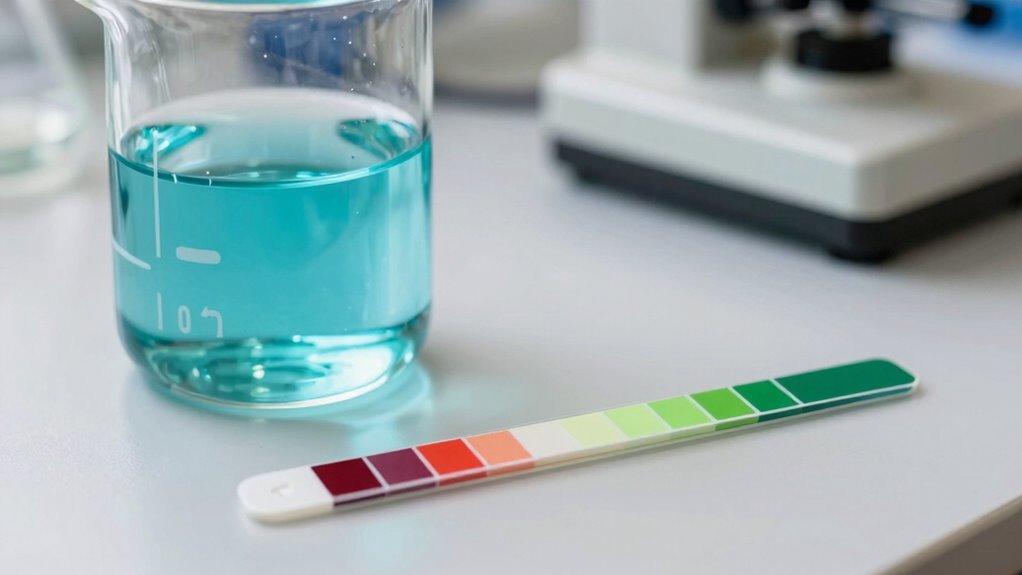

When fixing alkalinity versus pH, start with alkalinity because it acts as a buffer that stabilizes pH levels. If alkalinity is low, the pH can swing wildly and cause problems for plants and animals. By raising alkalinity first, you create a stable environment, making it easier to adjust pH accurately. Understanding this sequence helps prevent future imbalances—keep going to learn how to perform these adjustments effectively.
Key Takeaways
- Test alkalinity first if pH is unstable or swings frequently, as it buffers pH changes.
- Correct alkalinity with sodium bicarbonate before adjusting pH to prevent rapid fluctuations.
- If alkalinity is normal but pH is off, focus on adjusting pH directly with acids or bases.
- Always measure both parameters accurately to determine which needs priority.
- Make incremental adjustments and re-test to ensure stable, balanced water or soil chemistry.
Understanding pH and Alkalinity: What You Need to Know
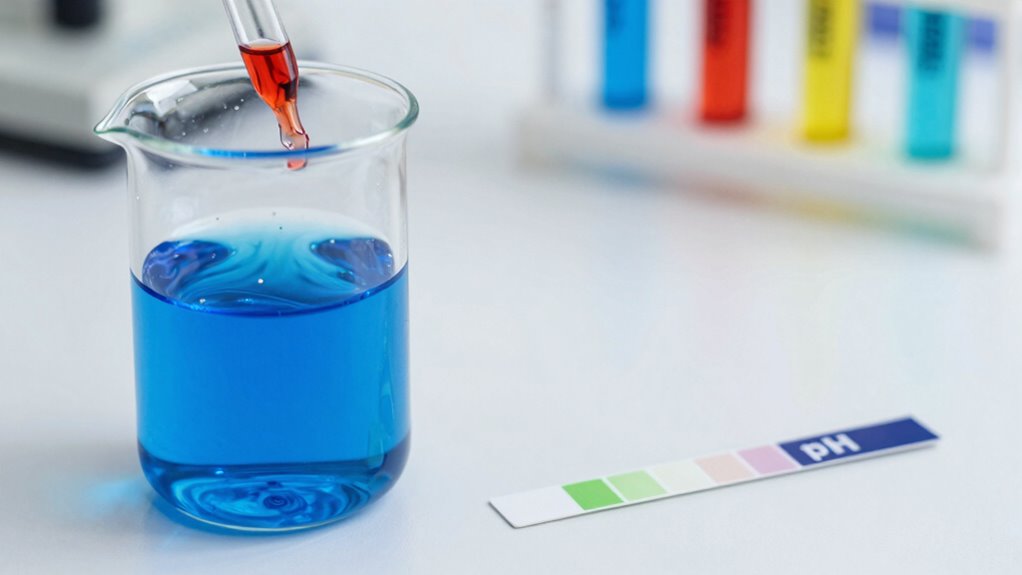
Understanding pH and alkalinity is essential for maintaining a healthy water system. These factors influence chemical interactions that can affect water quality and equipment longevity. To accurately assess them, you’ll need reliable measurement techniques. pH measures the concentration of hydrogen ions, indicating how acidic or basic your water is, while alkalinity reflects the water’s capacity to neutralize acids. Using test kits or electronic pH meters, you can obtain precise readings that guide your adjustments. Recognizing how these measurements work helps you prevent issues like corrosion or scale buildup. Keep in mind that pH and alkalinity are related but distinct, each serving a specific role in water chemistry. Proper testing and understanding lay the foundation for effective water management and maintaining ideal conditions. Additionally, understanding the difference between pH and alkalinity can help you prioritize which factor to correct first for optimal results. Knowing how to interpret water chemistry readings is also crucial for making informed adjustments and ensuring long-term water quality. Being aware of how buffer capacity influences water stability can further improve your control over water chemistry adjustments.
How pH and Alkalinity Differ in Water and Soil
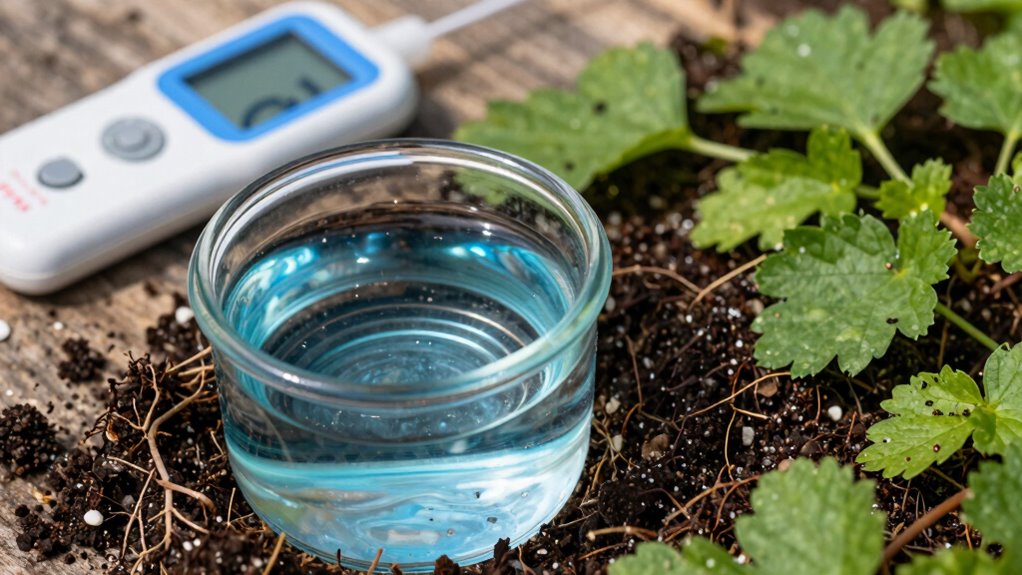
In water, pH measures how acidic or basic it is, while alkalinity indicates the water’s ability to neutralize acids. In soil, pH affects plant growth, but buffering capacity determines how well the soil can resist pH changes. Understanding these differences helps you manage water quality and soil health effectively. Additionally, knowing the evolution of arcade games can provide insight into how gaming technology has advanced alongside changing environmental conditions. Recognizing the importance of performance metrics can aid in assessing water treatment processes and soil management practices for optimal results. Proper testing methods and analytical tools are essential for accurate monitoring and effective decision-making.
Water pH and Alkalinity
Have you ever wondered how water’s pH and alkalinity influence its quality? In aquarium balancing and pool maintenance, understanding the difference is essential. pH measures how acidic or basic the water is, affecting fish health and chemical effectiveness. Alkalinity acts as a buffer, stabilizing pH fluctuations caused by added chemicals or environmental changes. High alkalinity prevents sudden pH drops, guaranteeing a stable environment. Conversely, low alkalinity makes water more prone to pH swings, stressing aquatic life. Knowing how these two factors interact helps you maintain ideal water conditions. While pH indicates the current acidity level, alkalinity determines the water’s ability to resist pH changes. Properly balancing both ensures healthy, clear water and a safe environment for aquatic organisms. Additionally, understanding emerging trends in digital publishing can help you stay informed about innovative tools and strategies to manage water quality data more effectively.
Soil pH and Buffering
While both soil and water rely on pH and buffering capacity to maintain stability, their mechanisms differ considerably. In soil, buffer capacity depends on soil chemistry, specifically the presence of minerals like carbonates and clay particles that neutralize acids or bases. This buffering resists pH changes, helping maintain a stable environment for plants. This is why understanding Indonesian decor masks and their cultural significance can also inspire natural, earthy-themed decor that complements soil-based aesthetics. Water, on the other hand, has a lower buffer capacity, making it more susceptible to pH fluctuations from dissolved substances. Understanding these differences is key to managing soil health and plant growth. If your soil’s buffering capacity is strong, it can resist pH shifts better, reducing the need for frequent amendments. Conversely, water’s limited buffering means small changes can cause significant pH swings, impacting aquatic life and water quality.
How to Test pH and Alkalinity Accurately
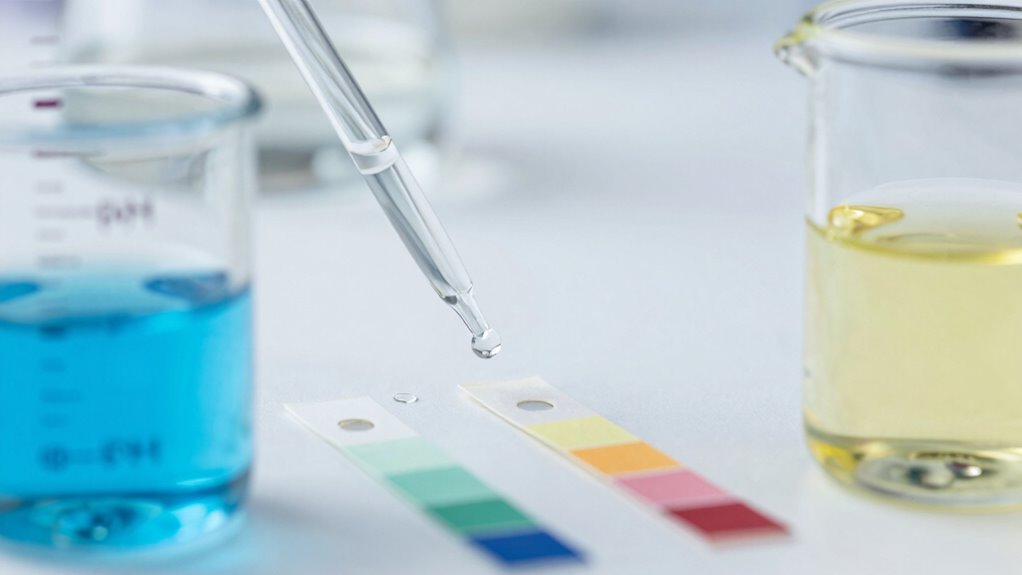
Accurately testing pH and alkalinity is essential for maintaining healthy water chemistry, whether you’re caring for a swimming pool, aquarium, or pond. Use reliable testing equipment like digital meters or test kits designed for precise readings. Always perform calibration procedures before testing, guaranteeing your equipment provides accurate results. Follow these steps:
| Step | Action | Tips |
|---|---|---|
| Prepare Equipment | Rinse with distilled water | Avoid contamination |
| Calibrate | Use standard solutions or buffers | Follow manufacturer instructions |
| Test Water | Submerge probes/test strips and record data | Ensure proper immersion and timing |
Regular calibration and proper testing techniques help prevent inaccuracies, so your water chemistry stays balanced. Additionally, understanding buffer capacity helps in adjusting chemical treatments effectively. Proper testing techniques also help in identifying alkalinity levels accurately and prevent over- or under-treatment of water chemistry. Maintaining accurate test results is crucial for understanding the pH balance and making informed adjustments to water chemistry. Being aware of testing accuracy can further improve your water management practices, especially when considering factors like test frequency and environmental influences.
When Should You Adjust pH First or Alkalinity?
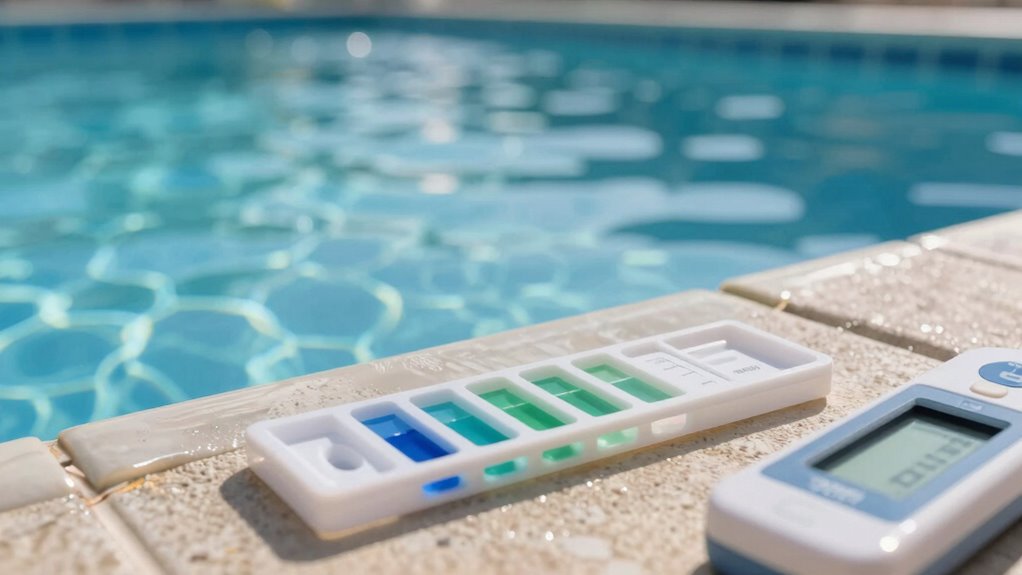
Deciding whether to adjust pH or alkalinity first depends on your water’s current chemistry and the issues you’re facing. Generally, if alkalinity is low and pH is unstable, you should focus on modifying alkalinity first, as it acts as a buffer. This provides a stable base, making pH adjustments more effective later. Conversely, if alkalinity is within the ideal range but pH is off, adjusting pH first is appropriate. Timing considerations also matter; you don’t want to make unnecessary adjustments that could cause swings or instability. Always test levels first, then prioritize adjusting the one that’s causing the most immediate problems. Proper sequencing ensures more predictable results and reduces the risk of over-correction.
How to Correct pH and Alkalinity Levels Effectively
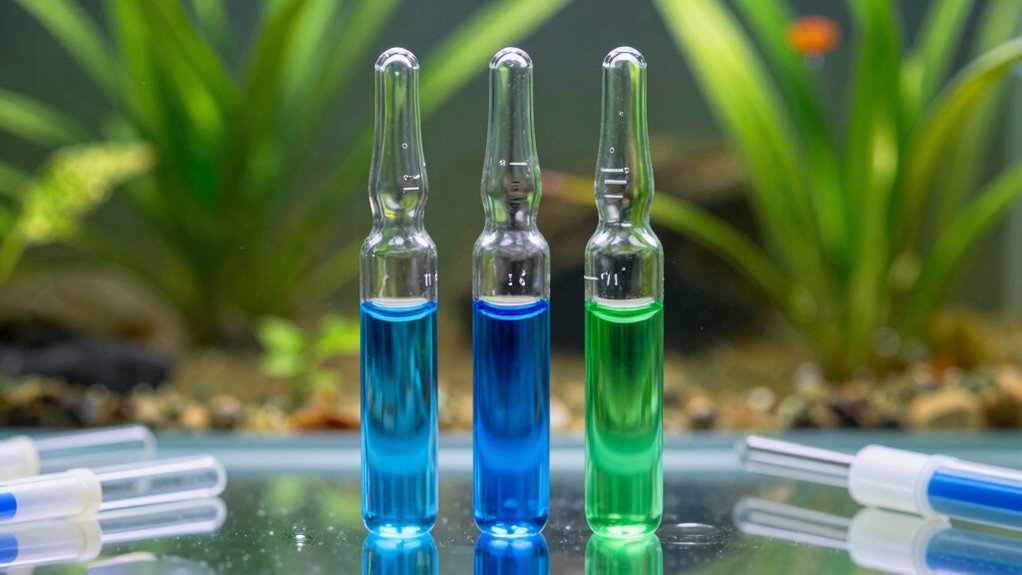
Correcting pH and alkalinity levels involves a strategic approach to guarantee your water chemistry stays stable. Start with accurate pH measurement to determine your current levels. If pH is too low or high, perform alkalinity adjustment first, since alkalinity buffers pH changes. Use appropriate chemicals like sodium bicarbonate to raise alkalinity or acids like muriatic acid to lower it. Always add chemicals gradually, testing after each addition to avoid overshooting your target. Once alkalinity is balanced, focus on fine-tuning pH with suitable pH adjusters. Remember, proper correction depends on understanding your water’s baseline and making incremental adjustments. Regular testing ensures your water remains stable, preventing future imbalances and maintaining ideal conditions.
Signs of pH and Alkalinity Imbalances in Water or Soil

You might notice unusual water colors or plants struggling to grow, which can signal pH or alkalinity issues. Additionally, stressed or unhealthy animals often indicate imbalances in their environment. Recognizing these signs early helps you address problems before they worsen. Using appropriate testing tools can help detect and correct these imbalances effectively. Being aware of water chemistry variations can also aid in maintaining a healthy environment for plants and animals. Understanding the horsepower of electric dirt bikes can be useful if you’re considering motorized options for land management or recreational activities related to environmental maintenance. Proper filtration and pump protection are essential to prevent clogs and maintain consistent water quality, especially when managing water systems affected by pH and alkalinity fluctuations. Regularly monitoring environmental parameters can help you stay ahead of potential issues and ensure a balanced ecosystem.
Unusual Water Colors
Have you ever noticed strange colors in your water or soil? Unusual hues can indicate pH or alkalinity issues. In aquarium water, a greenish tint might suggest algae growth caused by high alkalinity or improper pH levels. Similarly, a cloudy or murky swimming pool with a bluish or greenish tint could mean chemical imbalances. Soil colors also change with pH shifts—reddish or yellowish tones may signal acidity, while bluish or grayish shades could suggest alkalinity problems. These color changes aren’t just cosmetic; they’re signs your water or soil chemistry is off. Addressing pH and alkalinity imbalances promptly can restore clarity and health to your aquatic environment or garden. Recognizing these unusual colors helps you catch problems early before they cause more significant issues. Using testing kits can help you accurately assess pH and alkalinity levels to determine the best course of action. Understanding soil chemistry is essential for maintaining a healthy garden environment and preventing nutrient deficiencies. Additionally, monitoring chemical imbalances regularly can prevent long-term damage to ecosystems and plant health.
Plant and Animal Stress
Unusual water colors often signal underlying chemical imbalances, but these changes can also stress plants and animals living in the environment. Aquarium fish may show signs like gasping at the surface, erratic swimming, or faded colors. For garden vegetables, symptoms include yellowing leaves, stunted growth, or wilting. These stress signs indicate pH or alkalinity issues affecting nutrient absorption and overall health. To help you identify these problems, consider this table:
| Animal Signs | Plant Signs | Imbalance Effect |
|---|---|---|
| Gasping, erratic swimming | Yellowing, stunted growth | Nutrient uptake disruption |
| Faded colors | Wilting | Stress from pH shifts |
| Reduced appetite | Leaf discoloration | Toxicity or deficiency |
Addressing pH and alkalinity imbalances restores balance, reducing stress for your aquatic and garden life.
Common Mistakes When Fixing pH and Alkalinity Problems
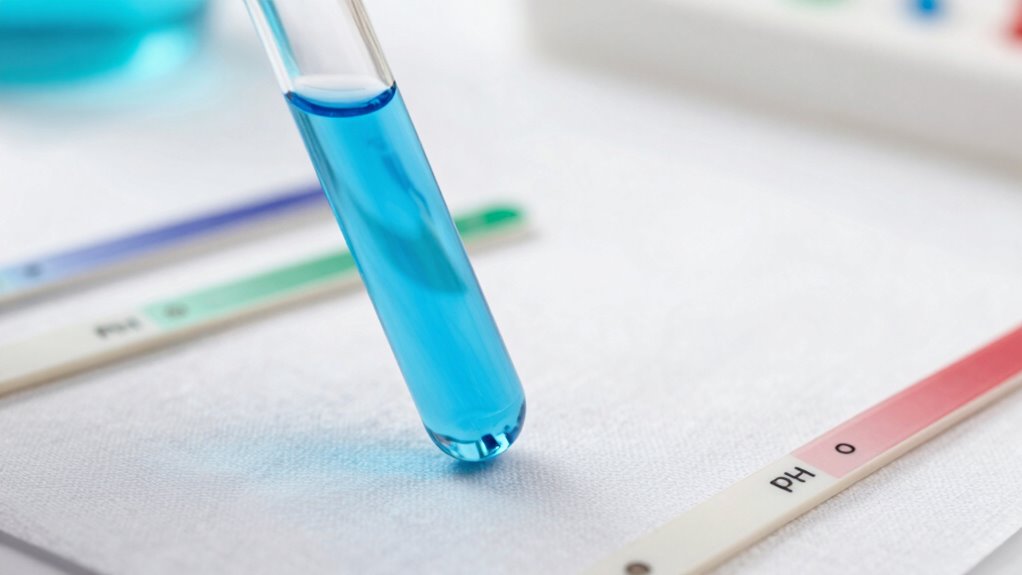
One common mistake when addressing pH and alkalinity issues is trying to fix them with a single chemical or quick fix without understanding their underlying causes. This often leads to overcorrection mistakes, where you swing the levels too far in the opposite direction. You might add acid or alkalinity adjusters based on misdiagnosing symptoms, assuming the problem is isolated rather than interconnected. This approach can cause more instability, making it harder to achieve balanced water chemistry. Instead, take a step back to properly diagnose whether the root cause is alkalinity, pH, or both. Remember, fixing the symptom without understanding the cause can lead to ongoing problems. Always test thoroughly and make incremental adjustments to avoid overcorrecting and creating new issues.
Frequently Asked Questions
Can pH and Alkalinity Be Adjusted Simultaneously?
Yes, you can adjust pH and alkalinity simultaneously, but you need to understand their chemical interactions. Using proper measurement techniques helps you monitor changes accurately. When adjusting, focus on alkalinity first since it buffers pH changes; then, fine-tune pH. Be careful, as adding chemicals affects both, and improper adjustments can cause imbalances. Always test regularly to maintain ideal water chemistry and prevent issues.
How Often Should I Test pH and Alkalinity Levels?
You should test your pH and alkalinity levels at least once a week as part of your maintenance schedule. During heavy use or after adding chemicals, increase testing frequency to ensure ideal water balance. Regular testing helps catch issues early, preventing problems like corrosion or cloudiness. Make it a routine, and you’ll keep your water chemistry stable, ensuring a healthier environment and less maintenance in the long run.
What Are Natural Methods to Balance pH and Alkalinity?
To naturally balance pH and alkalinity, you can use buffer solutions like crushed coral or limestone, which slowly release minerals to stabilize levels. Incorporate natural remedies such as adding baking soda to raise pH or vinegar to lower it, but do so cautiously. Regularly testing your water guarantees these remedies work effectively, helping maintain a healthy environment without synthetic chemicals.
Do Different Plants or Aquatic Life Require Specific pH and Alkalinity?
Imagine you’re a medieval alchemist; just like specific potions need precise ingredients, different plants and aquatic life have particular pH and alkalinity needs. You’ll discover that plant preferences vary—some thrive in acidic waters, others in alkaline. Aquatic requirements also differ, so you must tailor your environment accordingly. Monitoring and adjusting these levels guarantees your aquatic ecosystem remains healthy and balanced, supporting all your aquatic inhabitants’ unique needs.
How Do Temperature Changes Affect pH and Alkalinity Readings?
Temperature fluctuations can profoundly impact your pH and alkalinity readings by affecting measurement accuracy. As temperatures rise or fall, the chemistry of your water changes, leading to potential inaccuracies if your testing methods aren’t temperature-compensated. To guarantee precise results, always account for temperature variations when testing, and use calibrated equipment that adjusts for these fluctuations. This way, you’ll get reliable data to maintain ideal water conditions.
Conclusion
Remember, understanding, testing, and adjusting pH and alkalinity are your keys to healthy water and soil. Recognize the signs, avoid common mistakes, and act at the right time—whether it’s fixing pH or alkalinity first. Control the balance, prevent problems, and promote a thriving environment. Stay informed, stay vigilant, and keep your water and soil in perfect harmony—because the right fix at the right moment makes all the difference.