To balance your water chemistry, regularly test pH, alkalinity, and calcium hardness levels. Keep pH between 7.2 and 7.6 for ideal water quality, and stabilize it with alkali or acids as needed. Maintain alkalinity between 80 and 120 ppm to prevent pH swings, and keep calcium hardness in the 200-400 ppm range to avoid scaling or etching. Monitoring and adjusting these factors help guarantee a safe, clear environment—learn more to master water balance.
Key Takeaways
- Regularly test water pH, alkalinity, and calcium hardness to identify imbalances early.
- Maintain pH between 7.2 and 7.6 to ensure water quality and equipment efficiency.
- Keep alkalinity within 80-120 ppm to buffer pH fluctuations and stabilize water chemistry.
- Adjust calcium hardness to 200-400 ppm using calcium chloride or water replacement to prevent scaling and etching.
- Continuous monitoring and timely adjustments ensure a balanced water environment, protecting surfaces and equipment.

Understanding water chemistry is essential for maintaining a healthy and balanced aquatic environment. pH, alkalinity, and calcium hardness are key factors that influence water quality and the stability of your water system. When it comes to pool balancing, paying close attention to these elements ensures your water stays clear, safe, and comfortable for swimmers. Regular water testing is the first step in this process, allowing you to identify any imbalances early on before they cause problems.
Water testing is straightforward but critical. You need to measure pH levels, alkalinity, and calcium hardness consistently to keep your pool in top condition. Testing kits or digital testers provide quick and accurate results, so you can adjust your chemical levels accordingly. When testing, focus on maintaining a pH between 7.2 and 7.6. This range ensures chlorine remains effective, prevents eye irritation, and minimizes corrosion or scaling. If your pH is too high, your water may become cloudy or scale-forming, while too low a pH can cause corrosive conditions and skin irritation.
Regular testing of pH, alkalinity, and calcium hardness keeps your pool safe and clear.
Alkalinity acts as a buffer, stabilizing your pH and preventing sudden fluctuations. Ideally, it should be maintained between 80 and 120 parts per million (ppm). If alkalinity is too low, your water becomes more prone to rapid pH swings, making your pool harder to balance. If it’s too high, it can cause scale buildup and cloudy water. Adjust alkalinity first because it influences pH stability, simplifying the balancing process. You can increase alkalinity with sodium bicarbonate or reduce it with acids, depending on your test results.
Calcium hardness measures the amount of dissolved calcium in your water. Proper calcium levels—typically between 200 and 400 ppm—prevent both scaling and corrosion. Low calcium hardness can lead to etching of pool surfaces and equipment damage, while high levels cause cloudy water and scale formation. To balance calcium hardness, you may need to add calcium chloride if levels are too low or drain and replace water if they’re too high. Regular water testing helps you track these levels over time, making it easier to adjust before issues arise.
Balancing your pool water isn’t a one-time task; it’s an ongoing process. Consistent water testing allows you to catch imbalances early, ensuring your pool remains inviting and safe. With proper attention to pH, alkalinity, and calcium hardness, you’ll maintain a stable, clear, and healthy swimming environment. Proper pool balancing not only improves water quality but also extends the lifespan of your pool equipment and surfaces, saving you time and money in the long run. Additionally, understanding water chemistry can help prevent costly repairs and ensure optimal water conditions.
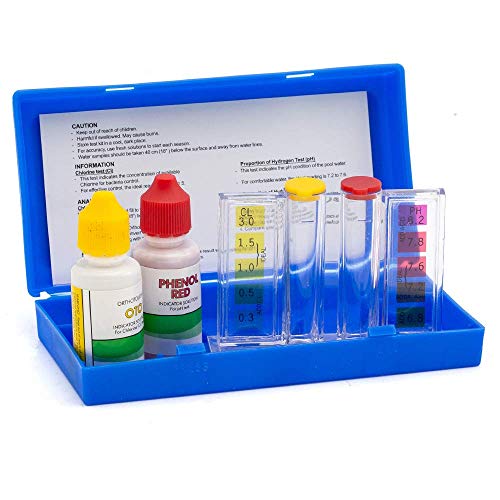
WWD POOL Swimming Pool Spa Water Chemical Test Kit for Chlorine and Ph Test (2 Way Test Kit)
2 Way Pool Water Test Kit For Test For OTO, CL, and PH Level
As an affiliate, we earn on qualifying purchases.
As an affiliate, we earn on qualifying purchases.
Frequently Asked Questions
How Often Should I Test My Pool’s Water Chemistry?
You should test your pool’s water chemistry at least once a week to maintain proper chemical balance. Regular water testing frequency helps you catch issues early and keeps your pool safe and clean. If you notice heavy use or after a storm, test more often. Balancing water chemistry involves checking pH, alkalinity, and calcium hardness, ensuring your pool remains inviting and properly sanitized.
Can High Ph Cause Pool Equipment Damage?
Yes, high pH can cause pool equipment damage. When pH levels stay elevated, it leads to pH fluctuations that promote pool corrosion, especially on metal components. Over time, this corrosion weakens equipment and causes leaks or failures. Regularly monitoring and adjusting your pH helps prevent such issues, ensuring your pool equipment remains in good condition and functions properly, avoiding costly repairs down the line.
What Are Natural Ways to Adjust Alkalinity?
You can naturally adjust alkalinity by adding baking soda, which acts as a buffer, increasing the water’s capacity to resist pH changes. You might also consider adding minerals like sodium bicarbonate or calcium carbonate, which help stabilize alkalinity based on your pool’s mineral content. Regularly testing your water guarantees you maintain the right buffer capacity, preventing swings in pH that could harm your pool and equipment.
How Does Calcium Hardness Affect Water Clarity?
Calcium hardness can turn your water into a cloudy mess if it’s too high, causing calcium buildup that blocks your view like a foggy window. Excess calcium reacts with other minerals, forming deposits that make your water look murky and dull. To keep your water crystal clear, monitor calcium levels and reduce buildup by using water softeners or adjusting your chemistry. Don’t let calcium hardness cloud your perfect pool or spa experience!
Is It Safe to Swim With Imbalanced Water Chemistry?
You shouldn’t swim in water with a chemical imbalance, as it can compromise water safety and cause skin or eye irritation. An unbalanced pH, alkalinity, or calcium hardness can lead to harmful bacteria growth or corrosion. Always test your water regularly and adjust chemical levels accordingly. Maintaining proper water chemistry guarantees a safe, enjoyable swimming experience, preventing health issues related to chemical imbalance and keeping your pool or spa in top condition.
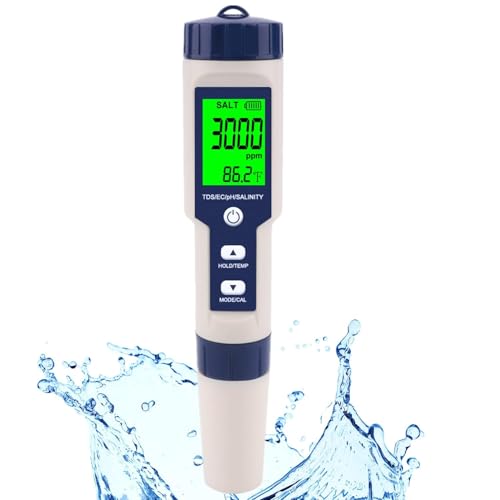
Pool Salt Tester & PH Meter, Hofun Digital Salinity Meter and PH Tester for Aquarium and Pool Saltwater Water, 5 in 1 Salinity PH Temp EC and TDS Meter, Aquarium Swimming Pool Hot Tub, High Accuracy
Wide Usage PH Meter : Hofun ph meter is an essential tool to improve your life quality. This…
As an affiliate, we earn on qualifying purchases.
As an affiliate, we earn on qualifying purchases.
Conclusion
Mastering water chemistry is essential to keeping your pool in top shape. By balancing pH, alkalinity, and calcium hardness, you prevent issues like cloudiness or scale buildup. Think of it like tuning a vintage jukebox—every part needs to be just right for perfect harmony. Keep an eye on these levels regularly, and your pool will stay pristine, just like a well-maintained masterpiece. Stay vigilant, and your water will sing like a timeless hit.

Varify Water Hardness Test Kit – Water Testing Kit for Home, Drinking, Well, Spa, Swimming Pool, Softener, Dishwasher & More – Hard Water Test Strips for Calcium, Magnesium etc (0-425 pmm, 150 Strips)
PROTECT YOUR HOME AND WELLNESS: Understand the impact of hard water on your home and health. Hard water…
As an affiliate, we earn on qualifying purchases.
As an affiliate, we earn on qualifying purchases.

ARM & Hammer Clear Balance, One Step Alkalinity & pH Maintenance Tablets for Swimming Pools & Spa, Long-Lasting Water Balancer, 24 Count
CRYSTAL CLEAR WATER MADE EASY: This box of ARM & HAMMER Clear Balance contains 24 tablets; your pool’s…
As an affiliate, we earn on qualifying purchases.
As an affiliate, we earn on qualifying purchases.