
To prep your hot tub for summer or winter, start by balancing the water chemistry—checking pH, alkalinity, and sanitizer levels. In winter, drain the tub if freezing is expected and inspect the cover and equipment for damage. In summer, keep it clean, secure the cover, and ensure filters are working well. Regular maintenance helps prevent issues and extends your hot tub’s lifespan. If you continue, you’ll discover detailed steps to keep your hot tub in perfect shape year-round.
Key Takeaways
- Drain and clean the hot tub thoroughly before winter to prevent freeze damage and remove accumulated debris.
- Balance water chemistry, including pH and alkalinity, for safe use during summer and winter seasons.
- Inspect and maintain equipment such as filters, pumps, and heaters to ensure optimal performance year-round.
- Check and secure the cover to retain heat in winter and prevent debris buildup in summer.
- Adjust sanitizer levels and perform regular water testing to keep water clean and safe across seasons.
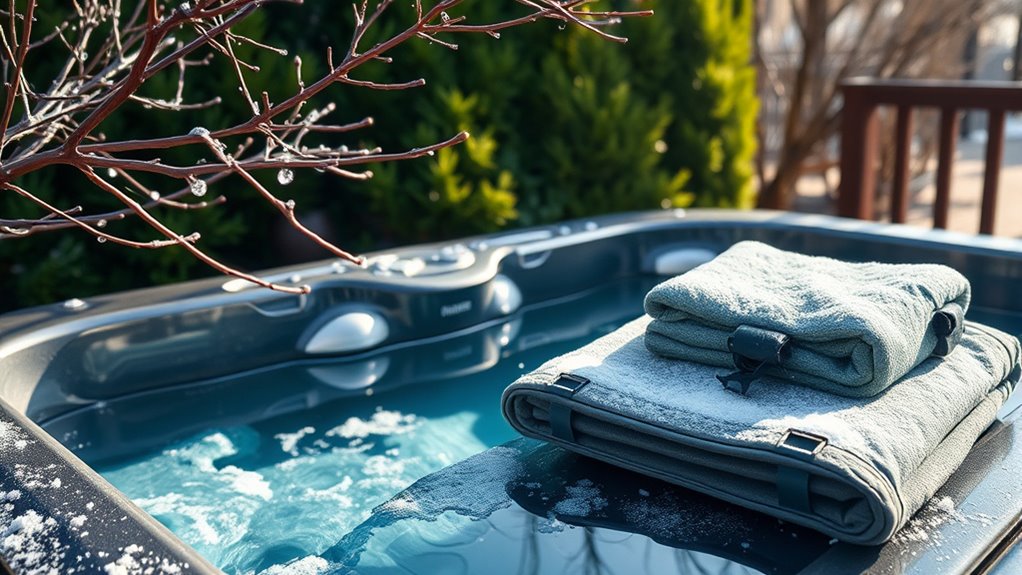
As the seasons change, make sure to prepare your hot tub for the upcoming months to guarantee it stays in top condition. Proper maintenance during seasonal transitions is essential to keep your hot tub functioning smoothly and to avoid costly repairs later on. Start by focusing on water chemistry, which plays a critical role in maintaining a safe, clean, and inviting environment. Test the water regularly using test strips or a liquid testing kit to check pH, alkalinity, and sanitizer levels. Adjust these parameters as needed — typically, pH should stay between 7.2 and 7.8, while alkalinity should be around 80-120 ppm. Maintaining balanced water chemistry not only ensures comfort but also prevents scale buildup, corrosion, and bacteria growth. When the seasons shift, especially before closing it for winter or preparing for summer use, a thorough water change is advisable. Drain, clean the shell, and refill with fresh water to reset the chemical balance and eliminate any contaminants that could have accumulated over time. Additionally, considering the noise levels of modern heat pumps, it’s important to ensure that any electrical equipment related to your hot tub operates quietly to enhance your relaxation experience.
In addition to water chemistry, conducting an equipment inspection is crucial. Examine all components, including the pump, heater, jets, and filtration system. Look for signs of wear, leaks, or corrosion, and clean or replace parts as necessary. For example, filters should be rinsed or replaced regularly; dirty filters can hinder water flow and reduce filtration efficiency. Check the pump and heater to ensure they operate smoothly, without unusual noises or overheating. Inspect the cover for cracks or tears, as a good cover helps retain heat during winter and keeps debris out during summer. If you notice any issues during your inspection, address them promptly to prevent further damage or operational failures.
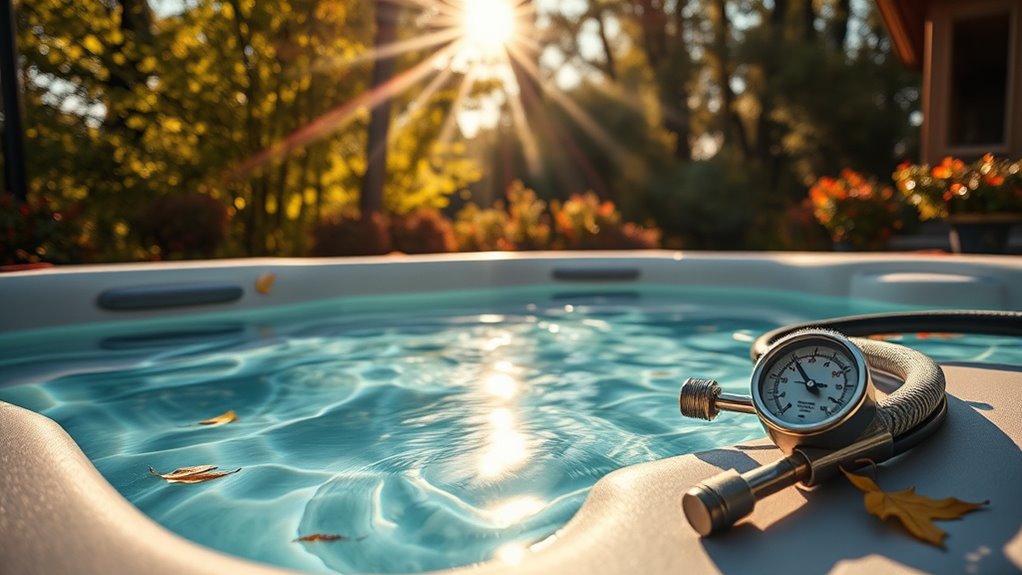
As you prepare your hot tub for seasonal changes, don’t forget about the importance of a proper shutdown or start-up procedure. If winter is approaching, consider draining the water completely, especially if you live in a climate with freezing temperatures, to avoid freeze damage. For summer, ensure the water is balanced, filtered regularly, and the cover is securely in place to maintain water quality and temperature. Regularly checking and adjusting water chemistry, along with thorough equipment inspection, provides a solid foundation for your hot tub’s longevity. Taking these steps ensures that your hot tub remains safe, clean, and enjoyable year-round, whether you’re soaking during the hot summer days or relaxing in a warm, cozy retreat during winter.
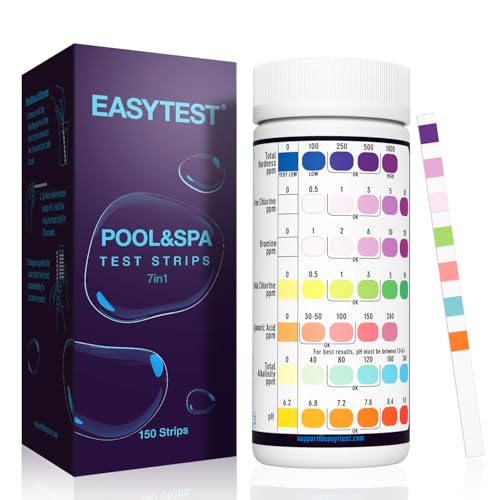
EASYTEST 7-Way Pool Test Strips, 150 Strips Water Chemical Testing for Hot tub and Spa, Accurate Test Bromine, Total Alkalinity, pH, Free Chlorine, Total Hardness, Cyanuric Acid, and Total Chlorine
- 150 Test Strips Included: Enough for frequent water testing
- Quick and Accurate Results: Soak for 1 second, read in 15 seconds
- 7-in-1 Water Testing: Measures Bromine, pH, Chlorine, and more
As an affiliate, we earn on qualifying purchases.
As an affiliate, we earn on qualifying purchases.
Frequently Asked Questions
How Often Should I Drain and Refill My Hot Tub Annually?
You should drain and refill your hot tub about every 3 to 4 months to maintain clean, balanced water. Regular hot tub draining helps prevent buildup of minerals and bacteria. When you drain, clean the shell and filters thoroughly. Afterward, water refilling guarantees fresh, sanitized water for safe soaking. Keep an eye on water quality and comfort, adjusting your schedule if you notice cloudy water or strong odors.
What Are the Best Chemical Treatments for Seasonal Water Balance?
To keep your hot tub water properly balanced, you should regularly adjust the pH to stay between 7.2 and 7.8, ensuring comfort and preventing damage. Maintain sanitizer levels—chlorine or bromine—within the recommended range to keep the water clean and clear. Test your water weekly, and add pH balancers or sanitizers as needed. Consistent chemical treatments prevent algae growth and bacteria, making your hot tub safe and inviting year-round.
How Can I Prevent Freezing in My Hot Tub During Winter?
You might think insulation alone prevents freezing, but combining it with cover protection proves more effective. Insulate your hot tub pipes and shell using foam or bubble wrap, and always guarantee your cover fits snugly to retain heat. Additionally, use a heater timer to keep the water above freezing during extreme cold snaps. Regularly check your cover for damage, and consider adding a weatherproof cover for extra insulation.
What Safety Precautions Are Necessary During Seasonal Maintenance?
During seasonal maintenance, you should prioritize safety by inspecting for hot tub hazards like electrical issues or leaks. Always wear safety equipment such as gloves and goggles, and make certain the area is well-ventilated. Keep a fire extinguisher nearby and turn off power before working on electrical components. Regularly check water temperature and chemical levels to prevent accidents. These precautions help keep you safe while maintaining your hot tub efficiently.
How Do I Troubleshoot Common Issues After Seasonal Closure?
Think of troubleshooting your hot tub like tuning up a car after winter. Start with diagnostic tips: check the water chemistry, inspect the pump, and test the heater. If you notice low flow or error codes, try simple repair strategies like cleaning filters or resetting breakers. If issues persist, consult a professional. Regular checks help you catch problems early, ensuring your tub’s ready when summer or winter calls.
Conclusion
As summer’s warmth invites relaxation and winter’s chill demands extra care, your hot tub becomes both a sanctuary and a responsibility. By staying on top of seasonal maintenance, you make certain it’s always ready—whether you’re cooling off under the sun or warming up against winter’s cold. Embrace the contrast, knowing each season brings its unique charm and challenges. With a little effort now, you’ll enjoy countless relaxing moments in your hot tub all year round.