Saltwater chlorination offers a convenient way to keep your pool sanitized by generating chlorine on-site, reducing the need for handling chemicals and creating a more pleasant swimming experience. However, it can increase water conductivity, leading to corrosion of metal parts unless proper materials and maintenance are used. Maintaining correct salt levels and water chemistry is essential for system efficiency and longevity. To learn more about managing these factors effectively, keep exploring the details ahead.
Key Takeaways
- Saltwater chlorination offers a convenient, on-site chlorine generation, reducing chemical handling and creating a pleasant swimming environment.
- Corrosion risks increase with saltwater, requiring use of resistant materials and regular inspection of metal components.
- Maintaining optimal salt levels (2700-3400 ppm) is crucial for system efficiency and water quality.
- Proper water chemistry, including pH and alkalinity, is essential to prevent corrosion, scaling, and ensure effective sanitation.
- Routine testing and maintenance of salt and chemical levels, along with equipment inspections, extend system lifespan and ensure pool safety.

Saltwater chlorination offers a modern and convenient way to keep your pool clean and safe without the harsh chemicals typically found in traditional chlorine systems. With this method, you generate chlorine on-site by passing your pool’s water through a salt cell, which produces a steady supply of fresh, sanitized water. This process appeals to many pool owners because it reduces the need for handling and storing chlorine, creating a more pleasant swimming environment. However, it’s important to understand some of the challenges involved, particularly regarding corrosion issues and salt level management.
Corrosion is one of the primary concerns with saltwater systems. Since saltwater is more conductive than fresh water, it can accelerate corrosion of metal components inside your pool, such as ladders, filters, and lighting fixtures. Over time, if you don’t monitor the salt levels and maintain proper water chemistry, you risk damaging these fixtures. To prevent this, you need to regularly inspect your equipment and replace any corroded parts. Using corrosion-resistant materials, like plastic or stainless steel, can also help extend the lifespan of your pool’s hardware. Proper salt level management is vital; if the salt concentration is too high or too low, it can lead to inefficient chlorine generation or increase the likelihood of corrosion. Maintaining the recommended salt levels—usually between 2700 and 3400 ppm—ensures your system operates smoothly and reduces wear on your equipment.
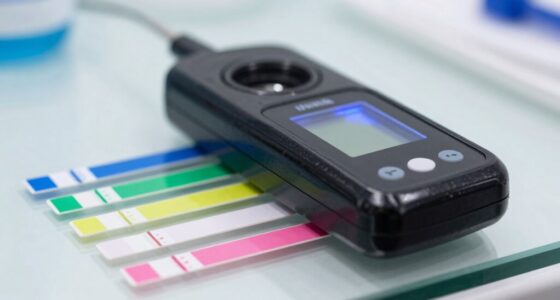
Managing salt levels isn’t just about keeping the system functioning; it also involves balancing other chemical parameters. For example, high salt levels can raise the water’s conductivity and pH, which may lead to scale buildup or cloudy water if not properly adjusted. Conversely, low salt levels may cause the chlorinator to produce insufficient chlorine, resulting in poor sanitation. Regular testing with a reliable salt test kit helps you stay within the ideal range. Additionally, keep an eye on your water’s pH, alkalinity, and stabilizer levels to prevent issues like algae growth or skin irritation. Proper salt level management isn’t complicated, but it requires routine checks and adjustments to guarantee your pool remains crystal clear and safe. Maintaining proper water chemistry is essential for the longevity and efficiency of your saltwater system.
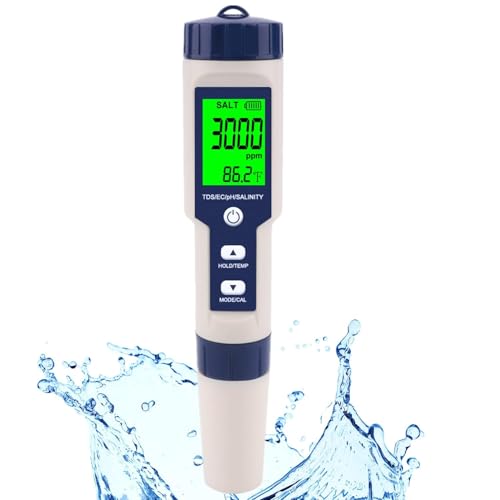
Pool Salt Tester & PH Meter, Hofun Digital Salinity Meter and PH Tester for Aquarium and Pool Saltwater Water, 5 in 1 Salinity PH Temp EC and TDS Meter, Aquarium Swimming Pool Hot Tub, High Accuracy
Wide Usage PH Meter : Hofun ph meter is an essential tool to improve your life quality. This…
As an affiliate, we earn on qualifying purchases.
As an affiliate, we earn on qualifying purchases.
Frequently Asked Questions
How Does Saltwater Chlorination Compare to Traditional Chlorine Methods?
Saltwater chlorination generally offers better corrosion resistance and chemical stability compared to traditional chlorine methods. You’ll find it produces a gentler, more consistent level of chlorine, reducing skin irritation and chemical odors. While the initial setup costs are higher, maintenance tends to be easier and less frequent. Overall, saltwater systems create a more comfortable swimming experience, making them a popular choice for pool owners seeking durability and stability.
Can Saltwater Chlorination Be Used in Small Swimming Pools?
A stitch in time saves nine, and the same goes for your pool. Yes, you can use saltwater chlorination in small pools, but you need to observe salt levels carefully. Smaller pool sizes mean less salt is needed, but maintaining proper salt levels ensures effective sanitation. It’s a convenient option, offering softer water and fewer chemical smells, but be mindful of your pool’s size and salt concentration requirements.
What Are the Long-Term Cost Implications of Saltwater Systems?
You’ll find that saltwater systems can save you money long-term through chemical savings, since they use less chlorine overall. However, keep in mind that equipment longevity may impact costs; saltwater generators and other parts might need repairs or replacements over time. While initial setup can be pricey, the ongoing savings on chemicals and lower maintenance needs can make saltwater systems a cost-effective choice in the long run.
Is Specialized Maintenance Required for Saltwater Chlorinators?
They say “an ounce of prevention is worth a pound of cure,” and that’s true for saltwater chlorinators. You’ll need specialized maintenance routines, like checking salt levels and cleaning electrodes regularly. Also, make certain your equipment is compatible with saltwater to prevent corrosion. With proper upkeep, your system runs smoothly, saving you time and money long-term. Regular maintenance keeps your pool sparkling and your equipment in top shape.
How Does Saltwater Affect Pool Equipment and Surfaces?
Saltwater can increase the corrosion risk for your pool equipment and cause surface discoloration over time. You might notice metal parts, like ladders or filters, deteriorate faster if not properly maintained. Surfaces such as plaster or tile could develop staining or etching due to the salt’s abrasive nature. To minimize damage, regularly clean equipment, check for corrosion, and use protective coatings on surfaces prone to discoloration.

Pool Mate 1-Quart Concentrated Metal Out Stain and Mineral Inhibitor, Pool Metal Remover, Stain Remover, Made in USA
1 quart per 10,000 gallons of water
As an affiliate, we earn on qualifying purchases.
As an affiliate, we earn on qualifying purchases.
Conclusion
While saltwater chlorination offers a gentler, more convenient swimming experience, some worry about corrosion or higher upfront costs. However, with proper maintenance and quality equipment, these issues are manageable. The long-term benefits—fewer harsh chemicals, softer water, and easier upkeep—often outweigh the initial investment. If you’re willing to stay on top of routine checks, saltwater systems can provide a more enjoyable, low-maintenance pool experience without the harsh side effects of traditional chlorination.

AR-PRO Chlorinator Wrench Opener with CLX200K O-Rings – 1 Piece Chlorinator Lid Wrench and 2 Pieces O-Rings for Hayward CL200, CL220, and CL2002S – Made of 50% More Durable Plastic
A MUST-HAVE TOOLKIT FOR REPLACING CHLORINATOR O-RINGS – Are you still struggling with your Hayward chlorinator? And after…
As an affiliate, we earn on qualifying purchases.
As an affiliate, we earn on qualifying purchases.
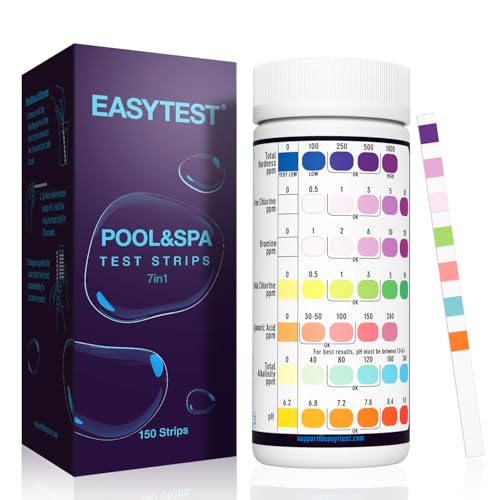
EASYTEST 7-Way Pool Test Strips, 150 Strips Water Chemical Testing for Hot tub and Spa, Accurate Test Bromine, Total Alkalinity, pH, Free Chlorine, Total Hardness, Cyanuric Acid, and Total Chlorine
AFFORDABLE 150 STRIPS: This water chemical testing kit contains 150 test strips. Enough balanced for your swimming pool,…
As an affiliate, we earn on qualifying purchases.
As an affiliate, we earn on qualifying purchases.