
Pool photometers make more sense if you prioritize accuracy and keep a detailed, regular maintenance routine. They help you easily verify chemical levels like chlorine and pH, preventing problems before they happen. If you prefer quick and simple tests, they might be overkill. But if precise control matters to you, investing in a photometer can improve water quality and safety. Keep exploring to discover more about how they can benefit your pool care routine.

Get pool and patio gear delivered free — and shop member deals
- Fast, free delivery on millions of items
- Access to Prime Big Deal Days deals on October 6–7
- Prime Video, Amazon Music and more included
Key Takeaways
- Photometers are ideal for owners with a strict, regular maintenance routine prioritizing accurate chemical measurements.
- They provide precise readings, making them suitable for those aiming for optimal water quality control.
- Less necessary for casual or infrequent pool testers who prefer quick, simple testing methods.
- Higher initial cost and calibration requirements make them better suited for dedicated pool owners.
- They support proactive water management, which benefits owners focused on safety and efficiency.
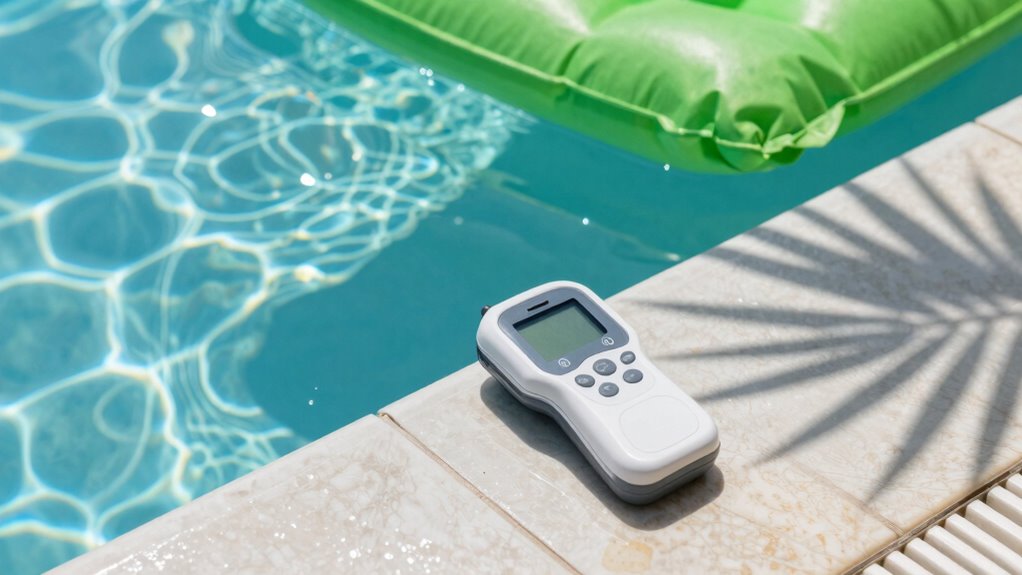
If you own a pool, you know how important it is to keep the water balanced and safe. Proper chemical balance isn’t just about making the water look clear; it’s essential for protecting swimmers’ skin and eyes, preventing algae growth, and avoiding costly repairs. One of the key tools in maintaining this balance is a pool photometer. While some owners find them indispensable, others may see them as unnecessary or overly complicated. It all depends on your maintenance routine, how often you check your water, and your comfort level with testing procedures.
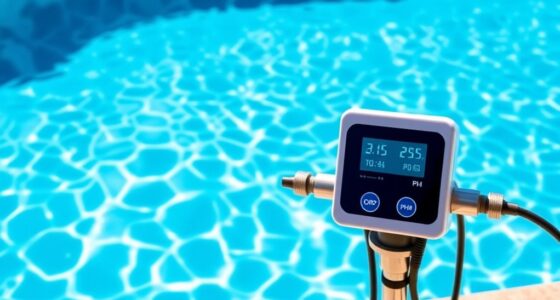
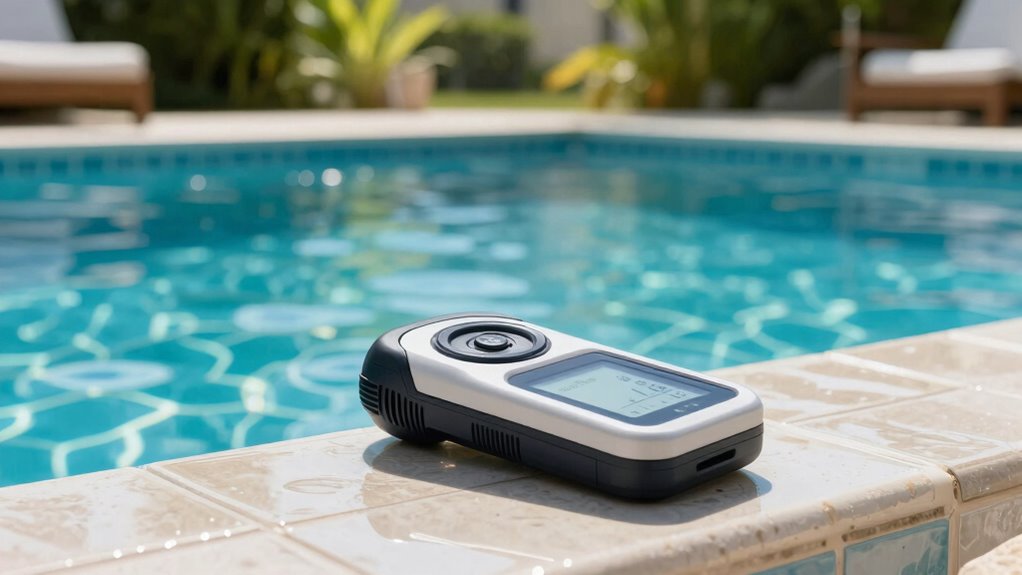
Pool photometers are designed to give you precise readings of your water’s chemical levels, especially free chlorine, pH, and sometimes other parameters. They tend to be more accurate than test strips or basic liquid test kits, which makes them appealing if you’re committed to maintaining perfect water quality. If you’re someone who prefers a meticulous maintenance routine, a photometer might make a lot of sense. It allows you to quickly and accurately verify your chemical balance without guessing. This precision can help you prevent problems before they escalate, saving you money and effort over time. Additionally, accurate testing can contribute to a healthier and more enjoyable swimming experience. Proper testing procedures also help ensure that your pool’s chemical levels stay within safe and effective ranges, further emphasizing the importance of reliable measurement tools.
Pool photometers provide precise, reliable readings for chlorine, pH, and more, supporting meticulous water management.
Furthermore, understanding the testing methods involved can help you decide whether investing in a photometer aligns with your level of dedication. However, if your routine involves only occasional checks or you’re comfortable with simpler testing methods, a photometer could seem like overkill. They tend to be more expensive upfront and require some familiarity with their operation. For owners who prefer a more casual approach—testing once a week or only when issues arise—a basic test kit might suffice. In these cases, the added accuracy of a photometer isn’t strictly necessary, and the investment may not justify the benefits.
Another factor to consider is your willingness to incorporate additional steps into your maintenance routine. Using a photometer requires calibration and proper handling to ensure accurate results. If you enjoy a high level of control and precision, investing in one can streamline your process and reduce guesswork. For those who want to optimize their pool’s efficiency and safety, understanding the importance of chemical testing can help guide your decision. For others who prefer simplicity, sticking with traditional test strips, which are quick and easy, may be more appealing, even if it means sacrificing some accuracy.
In the end, whether a pool photometer makes more sense for you depends on how seriously you take your pool’s chemical balance and how much effort you’re willing to put into your maintenance routine. If you prioritize accuracy and consistency, a photometer can be a valuable tool. But if you’re content with basic testing methods and a more relaxed upkeep schedule, it might be a tool you can skip. Either way, understanding your own needs and preferences helps you make the right choice for keeping your pool safe, clean, and inviting.
pool photometer for water testing
As an affiliate, we earn on qualifying purchases.
As an affiliate, we earn on qualifying purchases.
Frequently Asked Questions
Are Pool Photometers Suitable for Saltwater Pools?
Yes, pool photometers are suitable for saltwater pools because they are generally saltwater compatible. You’ll find that many models feature saltwater compatibility and photometer durability, making them reliable for ongoing use. Just make certain you select a photometer designed to withstand the corrosive nature of saltwater, which helps maintain accuracy and longevity. Properly chosen, a photometer provides precise readings and durable performance for your saltwater pool.
How Often Should I Calibrate My Pool Photometer?
You should calibrate your pool photometer weekly to guarantee accuracy maintenance. While it might seem frequent, regular calibration is vital for precise readings, especially if you notice inconsistent results. Skipping calibration can lead to inaccurate chemical levels, risking your pool’s health. By staying consistent with calibration frequency, you’ll keep your water balanced, making certain safe swimming conditions and prolonging your photometer’s lifespan.
Do Photometers Require Professional Maintenance?
Photometers generally don’t require professional maintenance if you follow proper calibration procedures and perform regular cleaning. Maintenance frequency depends on usage and water conditions, but you should calibrate your device as recommended—usually monthly. Keep the photometer clean and store it properly to guarantee accurate readings. If you notice consistent inaccuracies or issues, consulting a professional can help, but routine upkeep mainly involves your own calibration and maintenance routines.
Can Photometers Measure All Pool Water Parameters?
Think of a pool photometer as a precise detective, but it can’t uncover every secret of your water. It mainly measures key parameters like pH, chlorine, and alkalinity, focusing on chemical analysis. While it’s built for durability, it doesn’t replace thorough testing equipment. So, for complex issues or detailed analysis, you’ll still need specialized tools, but for routine checks, it’s an efficient, reliable assistant.
Are Digital Photometers More Cost-Effective Than Traditional Methods?
Digital photometers are generally more cost-effective over time compared to traditional methods, especially with a favorable cost comparison. They often require less maintenance, saving you money and effort. While the initial investment might be higher, their accuracy and quick results can reduce ongoing expenses. If you prioritize ease of use, consistent readings, and lower maintenance, digital photometers are a smart choice, offering better value in the long run.
Conclusion
Ultimately, whether a pool photometer makes sense for you depends on your priorities and how much you value precise water quality. If you enjoy maintaining your pool and want peace of mind, it’s a smart investment. Remember, “A stitch in time saves nine”—addressing small issues early can save you headaches later. Consider your needs carefully, and don’t wait until problems arise to take control of your pool’s health.
Fall Picks
fall essentials
As an affiliate, we earn on qualifying purchases.