The common mistake is blaming the solar panels for poor performance when the real issue is inadequate maintenance or improper system positioning. Many overlook regular inspections, cleaning, or checking wiring, which can drastically affect heat output and efficiency. Shading and incorrect placement also reduce performance. If you ignore these factors, you might think your panels are at fault. Keep going, and you’ll discover how proper upkeep can boost your system’s effectiveness.
Key Takeaways
- Incorrect system positioning can reduce heat absorption, leading users to blame the panels for poor performance.
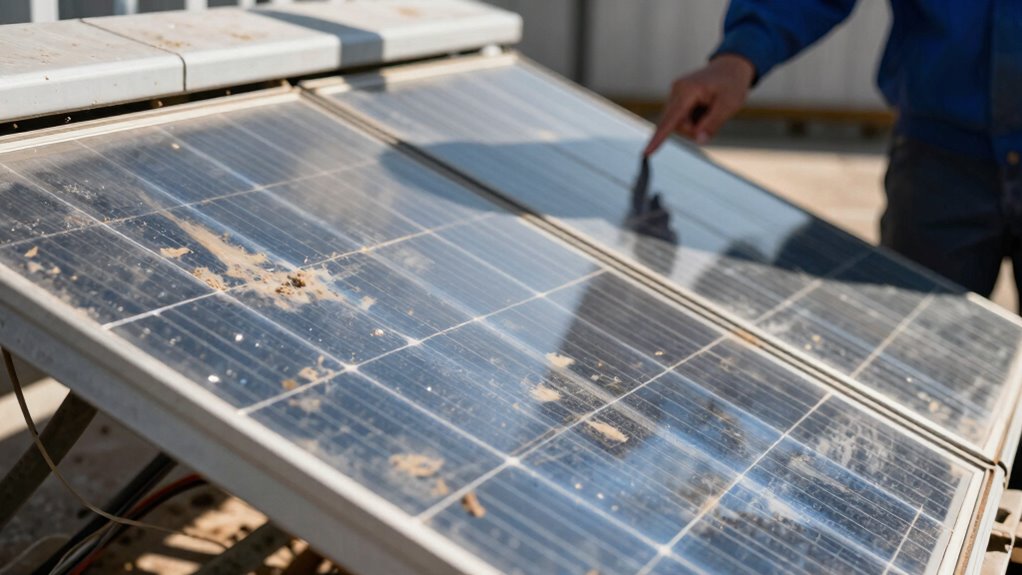
- Failing to clean panels regularly causes dirt buildup, which diminishes heat output and causes misattribution.
- Neglecting routine maintenance of wiring and connections may result in electrical issues blamed on the panels.
- Shading or obstructions that aren’t addressed can decrease heat efficiency, leading to complaints about panel quality.
- Not monitoring system performance regularly prevents early detection of issues, causing users to suspect faulty panels.
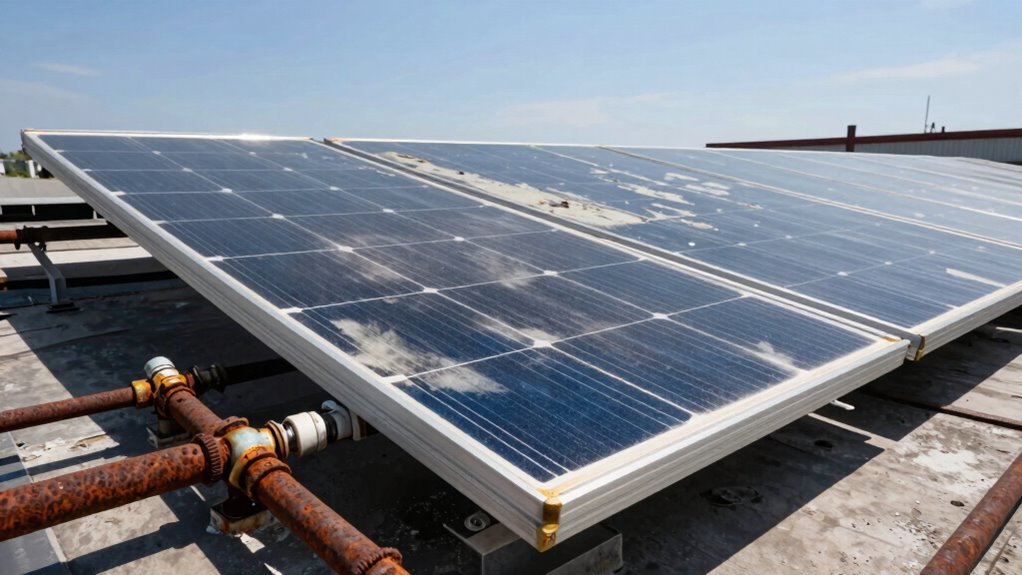
Many homeowners neglect routine maintenance tips that keep the system running smoothly. For example, ensuring that the mounting hardware is secure prevents shifting or damage that could impair function. Checking the wiring and connections periodically helps avoid electrical issues that may diminish system efficiency. Additionally, monitoring your system’s output—either through built-in meters or external monitoring tools—can alert you to drops in performance early on, so you can address problems promptly. A well-maintained solar heater not only performs better but also lasts longer, saving you money on repairs or replacements down the line. Regularly inspecting your panels for dirt, dust, or debris can significantly boost their efficiency and heat output. People often blame the panels when they see a dip in warmth or energy savings but forget that even the most efficient panels require proper upkeep. Simple maintenance tips, like cleaning the surfaces regularly and inspecting the system’s components, make a big difference. Proper system positioning can also enhance overall performance by maximizing sun exposure and reducing shading issues. Regularly checking your system’s performance metrics ensures you catch potential issues early and maintain optimal operation. Understanding solar panel efficiency can help homeowners better appreciate the importance of routine maintenance. Additionally, being aware of weather impacts can help you prepare and adapt your maintenance schedule accordingly. By paying attention to solar panel efficiency and sticking to routine maintenance tips, you can guarantee your solar heater functions at its best, keeping your home warm and saving you money without unnecessary frustration or blame.

TONYINGO 30 FT Reach Solar Panel Cleaning Brush Kit with 5-24 FT Telescopic Extension Pole, Water Fed Pole with Dual Action Flip-Lock & Screw Fixing Design, Ideal for Snow Removal, Windows, Boats, RVs
All-in-One TONYINGO Kit for Solar Panel Cleaning & Snow Removal:This versatile kit features a 5-24FT telescopic extendable extension…
As an affiliate, we earn on qualifying purchases.
As an affiliate, we earn on qualifying purchases.
Frequently Asked Questions
How Do I Identify if My Solar Heater Is Malfunctioning?
You can tell if your solar heater is malfunctioning when you notice inconsistent heater temperature regulation or a drop in solar panel efficiency. If the heater isn’t reaching the desired temperature, or it fluctuates unexpectedly, it’s a sign of trouble. Also, check for reduced hot water output or unusual noises. Regularly inspecting your system helps identify issues early, preventing unnecessary blame on the panels.
What Maintenance Is Required for Solar Heating Systems?
You should perform regular maintenance on your solar heating system to keep it running efficiently. Start by inspecting components like the solar collector, pump, and controller for any signs of wear or damage. Clean the collector surface to maximize sunlight absorption, and check for leaks or obstructions in the system. Regular component inspection and cleaning help maintain system efficiency and prevent malfunctions, ensuring your system works best year-round.
Can Weather Conditions Affect Solar Heater Performance?
Weather fluctuations definitely affect your solar heater’s performance. Cloudy days, rain, and snow reduce sunlight exposure, lowering efficiency. Extreme temperatures can also impact system operation, especially in very cold climates. While climate impact varies by location, consistent weather conditions help maintain ideal performance. So, it’s crucial to understand your area’s weather patterns and choose a system designed to handle those fluctuations for reliable heating.
Are There Safety Concerns With DIY Solar Heater Repairs?
Yes, there are safety concerns with DIY solar heater repairs. You need to prioritize DIY safety to prevent electrical hazards, which can cause shocks or fires. Always turn off power sources before working on the system, wear proper protective gear, and follow manufacturer instructions carefully. If you’re unsure or uncomfortable with electrical work, it’s best to consult a professional. Avoid risking safety to save time or money.
How Long Do Solar Heating Panels Typically Last?
Like the myth of Icarus, solar heating panels can soar for years but aren’t immune to decline. Typically, they last about 25 to 30 years, though panel degradation gradually reduces efficiency over time. Most come with warranty coverage, protecting you from unexpected issues. Proper maintenance can extend their lifespan, ensuring you get the most out of your investment without prematurely blaming the panels for performance drops.

Tymate TM8 Tire Pressure Monitoring System, Wireless Solar TPMS with 4 External Sensors & 6 Alarm Modes, Colorful Display, Easy to Intall on Windshield, Ideal for RV Sedan SUV MPV Truck (0-87 PSI)
[Real-Time Monitoring & Multi-Alert System for Enhanced Tire Safety]: The Tymate TM8 TPMS provides accurate real-time monitoring of…
As an affiliate, we earn on qualifying purchases.
As an affiliate, we earn on qualifying purchases.
Conclusion
Remember, rushing into a solar heater installation without proper research can backfire, making you blame the panels for poor performance. Don’t put all your eggs in one basket—take the time to understand your system and guarantee it’s suited for your needs. Sometimes, a little patience and due diligence can save you from crying over spilled milk later on. Instead of throwing in the towel, learn from mistakes and give your solar setup a fair shot to shine.

BougeRV 20 Feet 10AWG Solar Extension Cable with Female and Male Connector with Extra Pair of Connectors Solar Panel Adaptor Kit Tool (20FT Red + 20FT Black)
UPGRADE 2.0 SOLAR CABLE: Increase a free pair of separate solar connectors. One pair (1 piece black +…
As an affiliate, we earn on qualifying purchases.
As an affiliate, we earn on qualifying purchases.

ZIBOO FT-2000W Solar Panel Tester MPPT Meter – 2000W Max Power, 150V/35A PV Module Tester for Voc/Isc, Open Circuit Voltage & Short Circuit Current, with Backlight & Data Hold
⚡ Professional-Grade PV Testing Measures maximum power (Pmax) up to 2000W, open-circuit voltage (Voc: 12-150V), and short-circuit current…
As an affiliate, we earn on qualifying purchases.
As an affiliate, we earn on qualifying purchases.