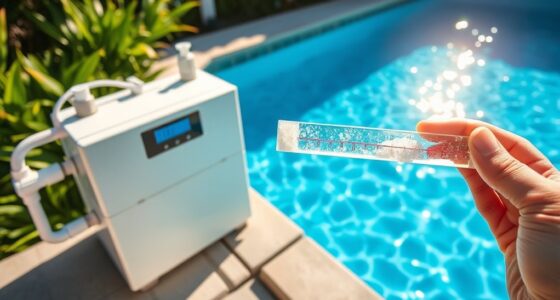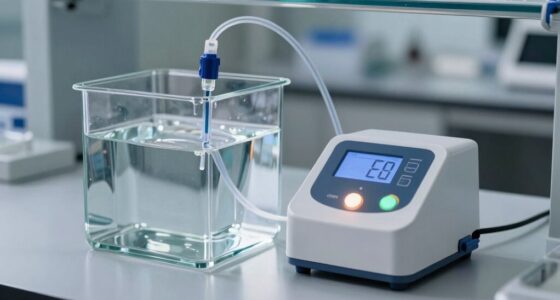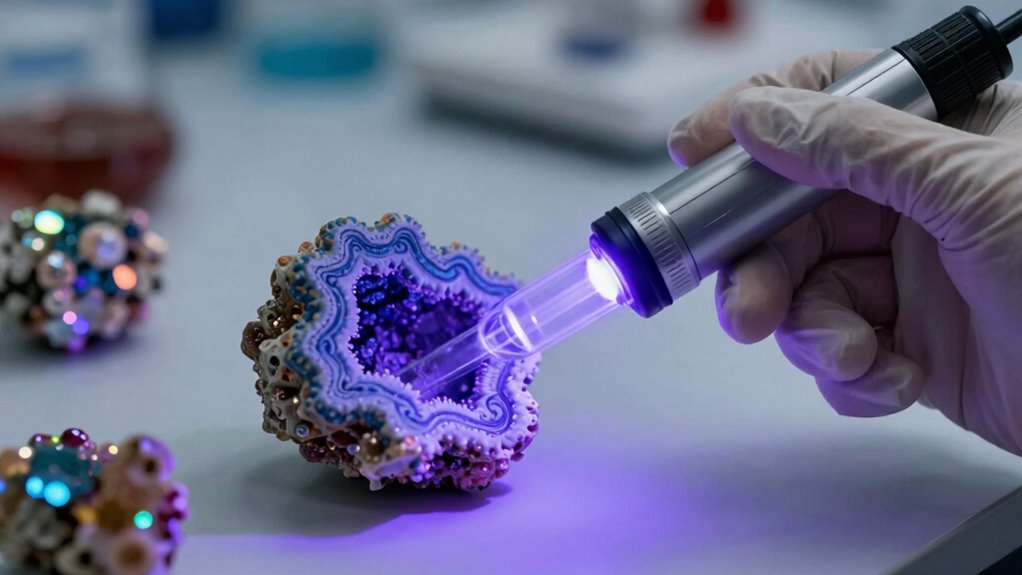

UV, ozone, and mineral systems can support your cleaning efforts by breaking down contaminants, odors, and germs through specific chemical interactions. However, they aren’t stand-alone solutions; UV struggles with shaded surfaces, ozone requires proper exposure, and minerals need regeneration. Using these tools alone might leave residues or miss some contaminants, potentially harming health or the environment. To maximize safety and effectiveness, it’s essential to understand their limits—there’s more to discover about integrating them properly.

Get pool and patio gear delivered free — and shop member deals
- Fast, free delivery on millions of items
- Access to Prime Big Deal Days deals on October 6–7
- Prime Video, Amazon Music and more included
Key Takeaways
- These systems assist in disinfection but cannot replace thorough cleaning and removal of dirt and organic matter.
- UV, ozone, and minerals have limitations such as incomplete coverage and dependency on proper exposure.
- Overreliance can lead to residues or environmental risks if not used correctly.
- They are best used as complementary tools alongside traditional cleaning methods.
- Proper understanding of their capabilities ensures effective, safe, and sustainable disinfection practices.

While UV, ozone, and mineral systems can profoundly improve cleaning and disinfection processes, they are not magical solutions that can replace traditional methods entirely. These systems work by engaging in specific chemical interactions that break down contaminants, viruses, and bacteria. For example, UV light damages microbial DNA, rendering pathogens inactive, while ozone oxidizes organic compounds, destroying microorganisms and odors. Minerals, like activated charcoal or silicates, can adsorb pollutants and impurities, contributing to cleaner environments. However, relying solely on these systems without physical cleaning or chemical disinfectants can leave behind residues or fail to eliminate all contaminants. They are best used as supplementary tools rather than complete replacements.
UV, ozone, and minerals enhance cleaning but can’t replace thorough physical and chemical disinfection methods.
A key consideration when integrating UV, ozone, or mineral systems into your cleaning routine is understanding their environmental impacts. Ozone, although effective at disinfection, can pose risks if not managed properly, as it’s a potent oxidizer that can harm respiratory health and contribute to air quality issues if released into enclosed spaces. Conversely, UV systems produce no harmful emissions but require energy, which may have an ecological footprint depending on the power source. Minerals used in filtration or adsorption systems can be environmentally friendly, especially if sourced sustainably, but disposal of spent materials might raise concerns if they contain accumulated pollutants. You need to weigh these impacts carefully to guarantee that your disinfection practices don’t inadvertently harm the environment or compromise indoor air quality.
It’s also important to recognize that these systems don’t work universally in every context. Chemical interactions vary depending on the surface or material being treated. For instance, UV light may not penetrate shaded or opaque surfaces, and ozone’s effectiveness depends on proper exposure time and concentration. Minerals can trap pollutants but might require regeneration or replacement over time. Using these systems without a comprehensive understanding of their limitations can lead to incomplete disinfection or unintended environmental consequences. Traditional cleaning methods—like scrubbing, wiping, and using proven chemical disinfectants—remain essential for removing dirt and organic matter that interfere with the efficacy of UV, ozone, or mineral-based systems. Additionally, understanding the chemical interactions involved can help optimize their use and avoid potential pitfalls.
Ultimately, these technologies are valuable helpers that enhance your cleaning arsenal. They can reduce chemical use, improve sanitation, and support more sustainable practices when used correctly. But they aren’t substitutes for thorough physical cleaning or chemical disinfection. To maximize their benefits, you should integrate them thoughtfully, considering their chemical interactions and environmental impacts. This balanced approach ensures a safer, more effective cleaning process that protects both human health and the environment.
As an affiliate, we earn on qualifying purchases.
Frequently Asked Questions
How Do UV, Ozone, and Mineral Systems Compare in Cost?
You’ll find that UV systems typically have a higher initial cost but excel in system durability and efficiency, making them cost-effective long-term. Ozone systems often cost less upfront but may require more maintenance, impacting overall expenses. Mineral systems usually fall in the middle, offering moderate costs and durability. Conducting a detailed cost analysis helps you weigh upfront expenses against long-term benefits, ensuring you choose the best system for your needs.
Are These Systems Effective Against All Types of Pathogens?
Like a knight facing a dragon, you might think these systems can conquer all pathogens, but they can’t. Their effectiveness varies due to pathogen resistance and system limitations. UV, ozone, and mineral systems work well against many microbes, yet some stubborn pathogens may survive. Don’t rely solely on them; combine with proper cleaning and disinfection for all-encompassing protection. Remember, no single system is a magic solution.
What Maintenance Is Required for These Systems?
You need to follow specific maintenance schedules to keep these systems effective and guarantee their longevity. Regularly clean and replace filters, check for any wear or damage, and inspect components like UV bulbs or ozone generators. Proper upkeep prevents system decline, maximizes performance, and extends lifespan. By staying consistent with maintenance, you’ll guarantee these systems continue working effectively, providing reliable pathogen control without unnecessary replacements or failures.
Can These Systems Be Used Together for Better Results?
Ever wondered if using these systems together boosts their effectiveness? Yes, combining UV, ozone, and mineral systems can create synergy benefits, enhancing overall water purification. Their combined efficacy often surpasses individual performance, offering a more thorough clean. You get better disinfection, improved water clarity, and longer-lasting results. Just make certain proper maintenance and coordination to maximize these benefits and avoid potential conflicts between the systems.
Are There Safety Concerns With Using UV and Ozone Systems?
Yes, there are safety concerns with using UV and ozone systems. You should be aware of health risks like skin and eye irritation from UV exposure, and respiratory issues from ozone inhalation. Always follow regulatory standards and manufacturer instructions to mitigate risks. Proper handling, protective gear, and ventilation are essential to keep yourself safe while using these systems. Regular maintenance also helps guarantee safe operation.
Conclusion
Remember, UV, ozone, and mineral systems are like trusty sidekicks, not magic wands that solve every problem instantly. They’re here to lend a helping hand, guiding you through challenges, but they can’t do all the heavy lifting alone. Think of them as your reliable crew—powerful tools, yes, but still part of a bigger team. With patience and proper use, you’ll navigate your journey more smoothly, turning those systems into your greatest allies.
Fall Picks
fall essentials
As an affiliate, we earn on qualifying purchases.