Rainstorms can throw off your pool water balance quickly by introducing dirt, debris, and pollutants that dilute your sanitizers like chlorine. The rain also lowers the pH, making water more acidic, which can cause corrosion to your pool surfaces and equipment. Plus, the added minerals and contaminants increase TDS levels, leading to cloudiness and scaling. To keep your pool safe and clean, you need to understand how stormwater affects water chemistry—more details follow.
Key Takeaways
- Rainwater introduces contaminants, diluting disinfectants like chlorine and reducing their effectiveness against bacteria and algae.
- It lowers pool pH, increasing acidity and risking corrosion of surfaces and equipment.
- Heavy minerals in rainwater can raise TDS levels, leading to scaling and water cloudiness.
- Increased organic matter from rain promotes algae growth, disrupting chemical balance.
- Debris and pollutants from storms require additional filtration and chemical adjustments to restore water quality.
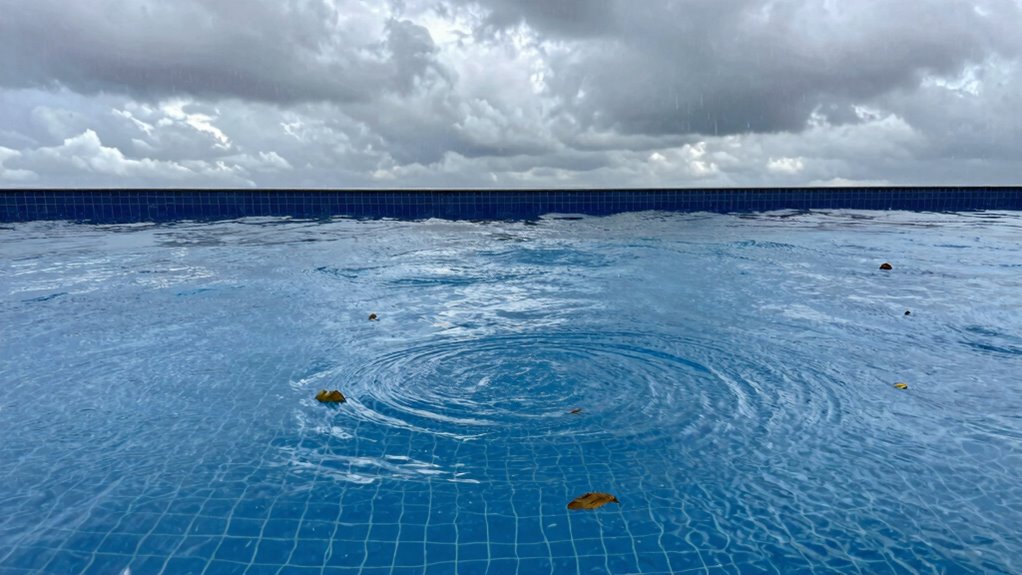
Have you ever wondered how rainstorms affect your pool’s water quality? When a heavy rain hits, it’s not just the weather that changes — your pool’s chemistry does too. Rainwater contamination introduces new substances into your pool, which can throw off the delicate balance you’ve worked hard to maintain. The chemistry effects of rain are significant because rainwater often contains minerals, dirt, organic matter, and pollutants that weren’t present before. When rainwater mixes with your pool water, it can dilute sanitizers like chlorine, making it less effective at killing bacteria and algae. Conversely, the influx of contaminants can cause an increase in nutrients like nitrogen and phosphates, which fuel algae growth and cloud your water. This imbalance means you’ll need to adjust your chemical levels more frequently after a storm.
Rainwater contamination doesn’t just dilute your chemicals; it also introduces external substances that can be harmful or disruptive. For example, rain can wash in debris, dust, and sometimes even pesticides from nearby lawns or fields. These contaminants can cause cloudy water, foul odors, and even health hazards if left unchecked. Additionally, rainwater often has a lower pH than pool water, making it more acidic. When this acid mixes with your pool, it can lower the overall pH level, leading to corrosion of your pool’s surfaces and equipment. Low pH also reduces chlorine’s ability to disinfect effectively, compounding the problem. On the other hand, if the rainwater is heavily mineralized, it can raise the total dissolved solids (TDS) in your pool, which can lead to scaling and cloudy water. Understanding the effects of minerals and contaminants in rainwater can help you better anticipate and manage the chemical fluctuations in your pool. Recognizing the composition of rainwater can help you take targeted actions to restore your water’s balance more efficiently. Being aware of the external factors such as environmental pollutants and their impact on your pool’s chemistry can support more effective water management.
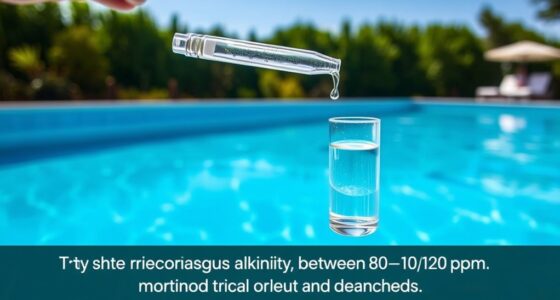
Managing the effects of rainstorms on your pool involves more than just skimming leaves from the surface. You need to test your water regularly after a storm and adjust chemical levels accordingly. It’s vital to check your pH, alkalinity, and sanitizer levels and increase or decrease them as needed to restore balanced water chemistry. Running your filter longer can help remove suspended particles and contaminants introduced by rain. In some cases, shock treatments or additional algaecide might be necessary to combat algae blooms caused by nutrient overload. Proper filtration systems and regular maintenance can also help reduce the impact of external contaminants during heavy rains. Preventive measures, like installing a cover or using a pool cover during storms, can help minimize rainwater contamination and protect your pool’s water balance. Ultimately, understanding the chemistry effects of rain helps you take swift action to keep your pool safe, clean, and inviting after every storm.

Poolmaster 22260 5-Way Swimming Pool or Spa Water Chemistry Test Kit with Case, Essential Collection
- Water Chemistry Testing: Tests Chlorine, Bromine, pH, Acid Demand, Alkalinity
- Clear-View Test Block: Includes round test block with color chips
- Solution Set: Contains 1oz solutions of #1-#3, 0.5oz of #4-#5
As an affiliate, we earn on qualifying purchases.
As an affiliate, we earn on qualifying purchases.
Frequently Asked Questions
How Long Should I Wait to Retest After a Rainstorm?
You should wait at least 24 to 48 hours after a rainstorm to retest your pool. During this time, water from the rain and evaporation can stabilize, and you can remove your pool cover if used. This wait allows the water to settle, giving you a more accurate reading of your pool’s chemical balance. Keep an eye on water levels to prevent overflows or imbalance caused by rainwater dilution.
Can Rainwater Cause Algae Growth in My Pool?
Rainwater contamination can introduce nutrients and organic matter, creating ideal conditions for algae growth in your pool. When rainwater mixes with pool water, it triggers chemical reactions that can upset the water balance, making algae more likely to thrive. To prevent this, test and adjust your chemicals after rainstorms, especially if you notice cloudiness or algae beginning to form. Regular maintenance keeps algae growth in check and maintains clear, healthy pool water.
What Chemicals Are Best for Restoring Water Balance Post-Rain?
After a rainstorm, you should make chemical adjustments to restore water balance. Start with pH correction to bring the level to around 7.4–7.6, ensuring comfortable swimming and proper chemical effectiveness. Then, use chlorine or a shock treatment to eliminate algae and bacteria introduced by rainwater. Regular testing and balancing of alkalinity and stabilizer levels will keep your pool water clear, safe, and well-maintained.
How Does Rain Affect Pool Sanitizer Levels?
Ever wonder how rain impacts your pool’s sanitizer levels? Rainwater dilution can considerably lower sanitizer levels, making your pool less protected. Plus, with increased debris and contaminants, sanitizer depletion speeds up. You might find yourself asking, “Is my pool still safe?” Regular testing is essential after a rainstorm. Adding more sanitizer ensures your pool remains sanitized, clear, and inviting, despite the weather’s unpredictable effects.
Should I Cover My Pool During Rainstorms?
Yes, you should cover your pool during rainstorms. A pool cover offers benefits like preventing debris and excess rainwater runoff from diluting your chemical levels. It also reduces the risk of algae growth and minimizes the need for extensive cleanup afterward. By covering your pool, you protect your investment and maintain better water balance, making it easier to enjoy clean, clear water once the storm passes.
Conclusion
So, next time a rainstorm rolls in, will you be ready to quickly test and adjust your pool’s water chemistry? Remember, heavy rain can throw off your pool’s balance, leading to cloudy water or even algae. Staying vigilant and making prompt adjustments keeps your pool sparkling and safe. After all, isn’t enjoying a perfectly balanced pool worth a little extra effort when Mother Nature sends rain your way? Keep an eye on the weather and your water!