To plan a pool that will still work five years from now, focus on durable, high-quality materials, and incorporate safety features like non-slip decking and clear water depth markers. Use energy-efficient pumps, LED lighting, and consider solar heating to keep operating costs low. Integrate smart technology for easy control and maintenance, and design with scalability in mind for future upgrades. If you want to secure long-term functionality, start with these essentials and explore further options to future-proof your pool.
Listen free for 30 days with Audible
Thousands of audiobooks and originals — cancel anytime.
As an affiliate, we earn on qualifying purchases.
Key Takeaways
- Select durable, high-quality materials and modular equipment to ensure longevity and easy upgrades.
- Incorporate smart technology and automation for efficient maintenance and future compatibility.
- Prioritize energy-efficient systems like solar heating and LED lighting to reduce long-term operational costs.
- Design with scalability and flexibility to accommodate new features and technological advancements.
- Implement safety features and sustainable landscaping to maintain ecological balance and user safety over time.
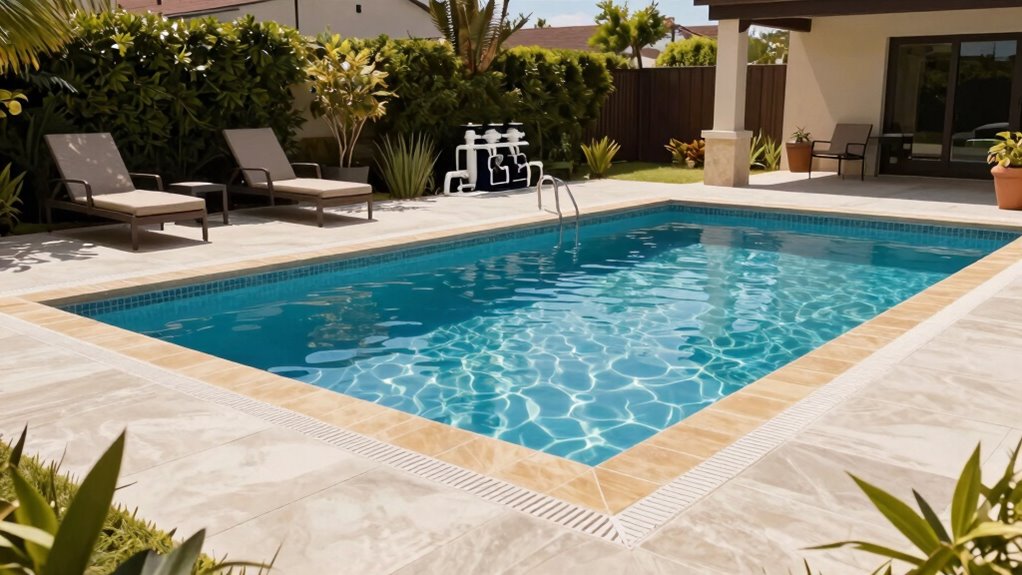
Planning a pool that remains functional and enjoyable five years from now requires careful foresight and strategic choices. When designing your pool, you need to prioritize both pool safety and energy efficiency to ensure it stands the test of time. These elements aren’t just about compliance or saving money; they’re about creating a safe, sustainable space that continues to deliver enjoyment long into the future.
Start by selecting durable, high-quality materials for your pool’s construction. Investing in sturdy surfaces and reliable equipment helps prevent costly repairs and replacements down the line. Incorporate safety features like non-slip decking, secure fencing, and clearly visible depth markers from the outset. These safety measures protect everyone and maintain your peace of mind, especially if you plan to have children or frequent guests. Remember, pool safety isn’t just about adherence to regulations—it’s about creating an environment where everyone feels secure to relax and have fun.
Energy efficiency should be a core consideration during your planning process. Choose energy-efficient pumps and filters that consume less power while maintaining optimal water circulation. Invest in LED lighting instead of traditional bulbs, and consider installing solar heating systems to harness renewable energy. These choices might require a higher initial investment but will significantly reduce your operating costs over the years. Proper insulation around your pool and equipment can further improve efficiency by minimizing heat loss, which is especially important if you live in a cooler climate. Additionally, understanding the importance of biodiversity in your surrounding landscape can enhance the ecological sustainability of your pool area, supporting local ecosystems and promoting environmental balance.
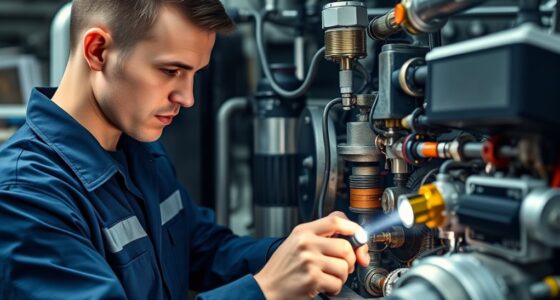
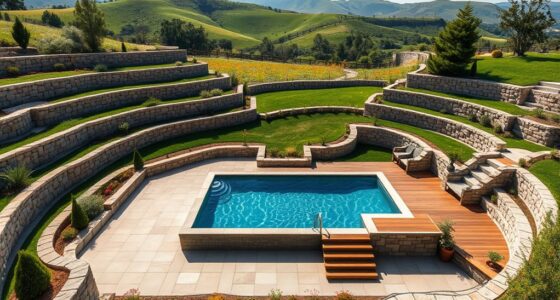
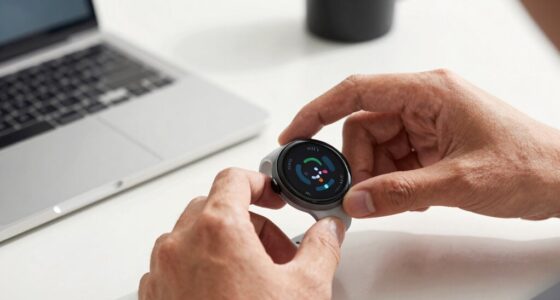
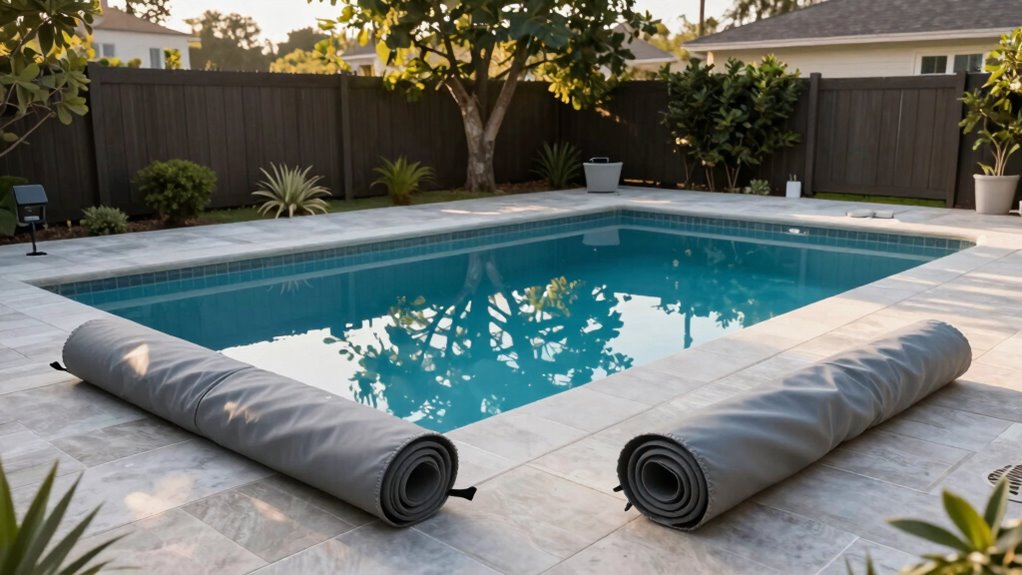
Think about how your pool will integrate with your landscape and existing infrastructure. Incorporate smart technology, such as automated covers, timers, and remote monitoring systems, to optimize energy use and simplify maintenance. With these systems, you can easily control your pool’s operation, ensuring it remains energy-efficient and safe without constant manual oversight. Maintenance routines should also be part of your plan—regular cleaning, water testing, and equipment check-ups help prevent small problems from turning into major repairs. Embracing sustainable practices can further extend your pool’s lifespan and reduce environmental impact.
Finally, plan for future upgrades and expansions. As technology advances and your needs change, having a flexible design allows you to adapt without major overhauls. Consider modular equipment options and scalable features that can be upgraded over time. By thinking ahead, you ensure your pool remains a safe, energy-efficient haven that continues to serve you and your family well beyond the five-year mark. Proper planning today will save you money, stress, and disappointment in the years to come.
As an affiliate, we earn on qualifying purchases.
Frequently Asked Questions
What Are the Best Materials for Long-Lasting Pool Construction?
You should choose durable materials like reinforced concrete, which offers excellent longevity for pool design, or high-quality vinyl liners that resist tears and fading. For material selection, consider fiberglass shells for smooth surfaces and quick installation. These options guarantee your pool remains functional and attractive over time. Regular maintenance and proper sealing also play vital roles in extending your pool’s lifespan, helping you enjoy it for many years to come.
How Often Should I Schedule Pool Maintenance and Inspections?
You might think your pool can go forever without a check-up, but neglecting regular pool maintenance and inspections isn’t a good idea. You should schedule weekly or bi-weekly checks for pool chemical balance and seasonal cleaning to prevent issues. Regular inspections help catch problems early, saving you money and effort later. Staying proactive keeps your pool pristine and functional for years, proving the old adage that prevention is better than cure.
What Energy-Efficient Features Can Extend My Pool’s Lifespan?
To extend your pool’s lifespan, you should incorporate energy-efficient features like solar heating and energy-efficient pumps. Solar heating reduces reliance on traditional energy sources, decreasing wear on your system. Energy-efficient pumps use less power, lowering operating costs and minimizing strain on equipment. These features not only save you money but also promote longevity by reducing stress on your pool’s components, ensuring smooth operation for years to come.
How Can I Prevent Common Pool Equipment Failures?
You can prevent common pool equipment failures by regularly checking and maintaining pool chemical balance, which keeps the water safe and reduces strain on equipment. Additionally, inspect and repair your deck surface to prevent damage that could impact equipment placement. Clean filters frequently and schedule professional inspections. These steps help guarantee your pool equipment functions smoothly over time, avoiding costly repairs and extending your pool’s lifespan.
What Safety Features Are Crucial for Long-Term Pool Use?
You should prioritize safety features like secure fencing, non-slip surfaces, and proper lighting to guarantee long-term use. Incorporate barriers that enhance pool aesthetics without compromising safety. Regularly monitor and maintain water chemistry to prevent corrosion and equipment damage. Installing safety covers and alarms adds extra security. These measures keep your pool safe, attractive, and functional for years, giving you peace of mind and a beautiful swimming environment.
Conclusion
By planning carefully and choosing durable materials, you set your pool up for years of enjoyment. It’s funny how the right decisions often seem to align just when you need them most—like finding that perfect pool cover just as a storm approaches. When you prioritize quality and maintenance now, you’ll likely find that your pool still works smoothly five years down the line. Sometimes, good planning feels almost like a lucky coincidence—until you realize it’s all about your choices today.
Flea & tick season Picks
flea and tick prevention
As an affiliate, we earn on qualifying purchases.