Treating pool equipment noise as a design problem helps you create a peaceful outdoor space by strategically positioning and soundproofing machinery. Proper planning prevents noise from disturbing relaxation areas or annoying neighbors, ensuring your environment is both functional and tranquil. Using features like acoustic barriers and vibration pads makes a noticeable difference in reducing sound. Addressing noise early on saves you time and money later while enhancing your overall outdoor experience. Keep exploring to discover how smart design can transform your space.

Get pool and patio gear delivered free — and shop member deals
- Fast, free delivery on millions of items
- Access to Prime Big Deal Days deals on October 6–7
- Prime Video, Amazon Music and more included
Key Takeaways
- Treating noise as a design problem ensures strategic placement, reducing sound transmission to living and relaxation areas.
- Incorporating acoustic insulation early prevents long-term noise issues and decreases potential neighbor disputes.
- Proper design minimizes equipment noise, enhancing outdoor comfort and overall property value.
- Addressing noise proactively avoids costly retrofits and frequent furniture adjustments.
- Integrating noise management into design promotes a peaceful, enjoyable outdoor environment.
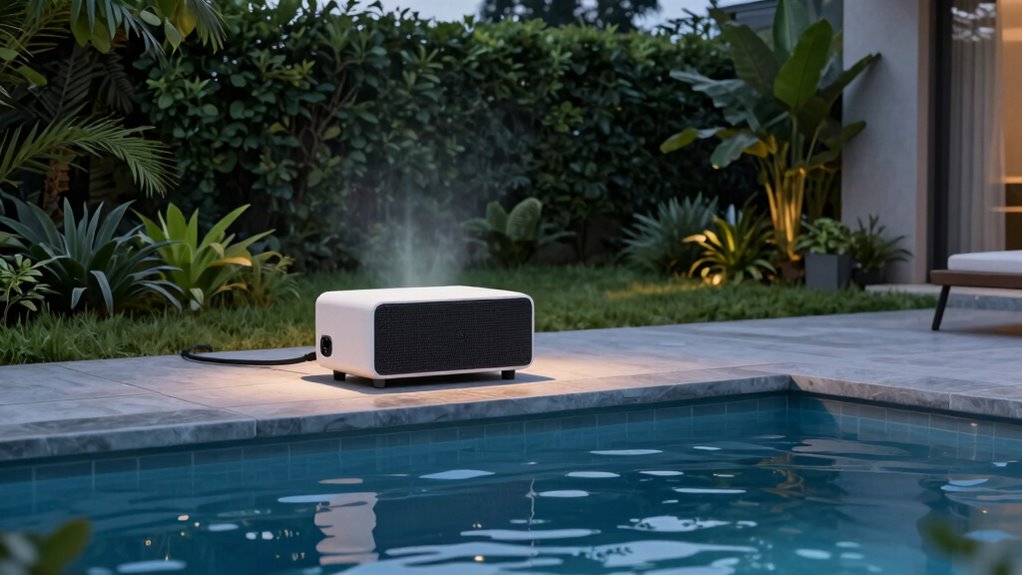
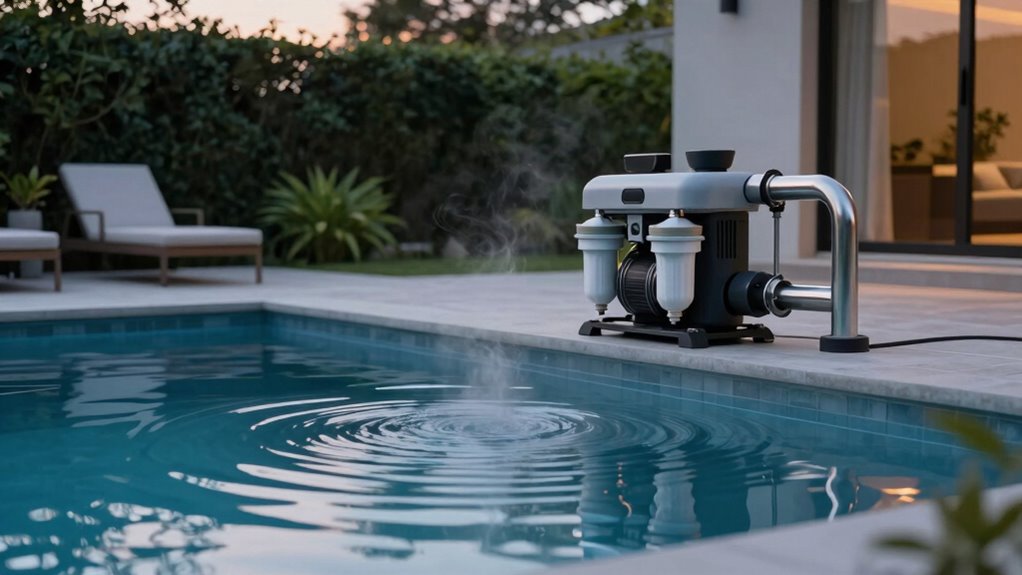
Pool equipment noise is often overlooked during the design phase, yet it can substantially impact your outdoor living space. When planning your pool area, the placement of equipment is essential in minimizing noise disruptions. Proper equipment placement involves positioning noisy machinery like pumps and filters away from seating areas, bedrooms, or neighboring properties. This strategic setup ensures that sound doesn’t travel directly toward where you relax or entertain, making your outdoor experience more enjoyable.
Acoustic insulation plays a critical role in controlling noise levels. Installing soundproof enclosures or using specialized acoustic barriers around pool equipment can considerably reduce sound transmission. These measures help contain the noise, preventing it from resonating through walls, fences, or the ground. When you incorporate acoustic insulation into your design, you’re actively reducing the likelihood of noise complaints and creating a more peaceful environment. Additionally, considering the impact of noise pollution on both your well-being and that of your neighbors emphasizes the importance of proactive planning. Understanding soundproofing techniques is essential for effective noise management. Employing proper equipment maintenance can also help ensure that noise levels stay minimal over time.
Ignoring the importance of these considerations during initial planning can lead to long-term frustrations. If equipment is placed without regard for sound, you might find yourself frequently adjusting outdoor furniture or feeling annoyed by constant noise. Furthermore, neighbors could be affected, potentially leading to disputes or complaints. Addressing noise issues early on allows you to design a space that balances functionality with tranquility. Incorporating soundproofing techniques during the initial phase can save time and money in the long run, ensuring your outdoor space remains serene.
It’s tempting to focus solely on the aesthetic appeal of your pool area, but overlooking the acoustic aspect can undermine your overall enjoyment. Thoughtful equipment placement combined with effective acoustic insulation forms a holistic approach to noise management. You can opt for quieter pump models or install vibration pads that dampen operational sounds, further enhancing your outdoor oasis. These choices demonstrate proactive planning and a commitment to creating a serene environment.
Ultimately, treating pool equipment noise as a core aspect of your design ensures your outdoor space remains a sanctuary. By considering equipment placement and acoustic insulation from the start, you avoid unnecessary disturbances and foster a more relaxing atmosphere. When you prioritize these elements, your pool area becomes not only a place for fun but also a peaceful retreat where noise never intrudes on your leisure or rest. Proper planning makes all the difference, transforming potential noise problems into manageable features that enhance your outdoor living experience.
pool equipment soundproof enclosure
As an affiliate, we earn on qualifying purchases.
As an affiliate, we earn on qualifying purchases.
Frequently Asked Questions
How Does Pool Equipment Noise Impact Nearby Property Values?
Pool equipment noise can lower nearby property values by creating disturbances that deter potential buyers. If you ignore issues like pool vibration and poor equipment placement, noise levels remain high, making the area less desirable. Properly addressing these factors by designing equipment placement to minimize vibrations and reduce noise helps maintain or even boost property value, ensuring your investment stays attractive and marketable over time.
What Are the Most Effective Noise Mitigation Technologies Available?
You can effectively reduce pool equipment noise using vibration isolation, acoustic barriers, and soundproof enclosures. Vibration isolation minimizes equipment vibrations, preventing noise transmission. Acoustic barriers, like walls or fences, block sound waves from reaching neighboring properties. Soundproof enclosures contain noise at its source. Combining these technologies creates a all-encompassing approach, ensuring quieter surroundings, protecting property values, and improving overall comfort for everyone nearby.
How Can Landscape Design Help Reduce Pool Equipment Noise?
You can reduce pool equipment noise with landscape design by incorporating landscape barriers, such as fences or walls, to block sound paths. Strategic plantings also help absorb and diffuse noise, so plant dense shrubs, trees, or tall grasses around the equipment. These elements not only create a visual barrier but also diminish sound transmission, making your outdoor space more peaceful and enjoyable.
Are There Industry Standards for Acceptable Noise Levels?
A stitch in time saves nine, and that applies to noise levels too. Industry standards for acceptable noise vary, but generally, equipment placement and soundproofing materials help control sound. Local regulations often specify maximum decibel levels for pool equipment. You should check these standards and consider soundproofing options to keep noise within acceptable limits, preventing complaints and ensuring a peaceful environment around your pool.
What Legal Regulations Govern Pool Equipment Noise Limits?
You need to comply with local noise ordinances and regulations governing pool equipment noise limits. Incorporate acoustic insulation and vibration dampening in your pool design to meet these standards. These measures help reduce noise transmission, ensuring your equipment stays within permissible limits. By proactively addressing legal requirements through thoughtful design, you minimize the risk of violations and create a quieter, more comfortable environment for everyone nearby.
Conclusion
Treating pool equipment noise as a design problem is like taming a wild beast before it roars. When you address noise early, you create a peaceful oasis rather than a disruptive mess. By incorporating soundproofing and smart placement into your plans, you prevent headaches and keep your backyard a relaxing retreat. Remember, good design is your best tool—think of it as a shield that keeps unwanted noise at bay, letting you enjoy your pool in complete tranquility.
Halloween Picks
halloween
As an affiliate, we earn on qualifying purchases.