TL;DR
Five self-pollinating fruit trees are recommended for planting this fall, each capable of producing abundant fruit from a single tree. This simplifies planting for gardeners with limited space or experience.
Garden enthusiasts and homeowners can now consider planting five specific self-pollinating fruit trees this fall, each capable of producing abundant fruit with only one tree needed. These options simplify fruit cultivation, especially for those with limited space or beginner gardeners, and are recommended by horticultural experts for the upcoming planting season.
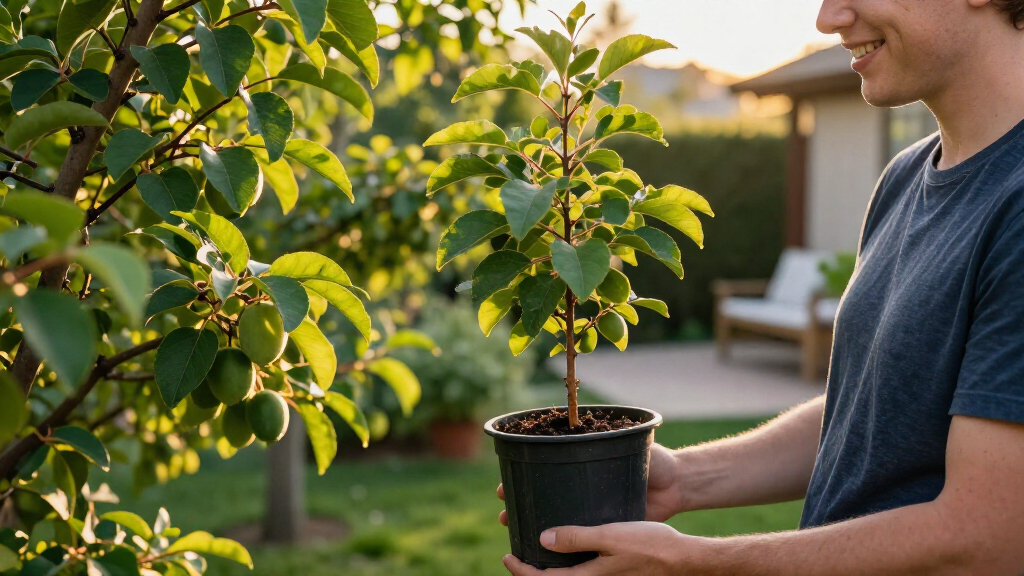
According to horticultural sources, five self-pollinating fruit trees are particularly suitable for fall planting: Dwarf Peach, Fig, Apple, Cherry, and Plum. Each of these varieties has the unique ability to produce fruit without reliance on a second tree for pollination, making them ideal for small gardens and urban spaces. Experts emphasize that planting these trees in the fall allows for establishment before winter dormancy, leading to a productive spring.
Specific varieties include the Contender Peach, known for its cold hardiness; the Black Mission Fig, appreciated for its adaptability; and the Liberty Apple, which is resistant to common diseases. These trees are typically available at garden centers and nurseries during the fall season, and planting now can help ensure a fruitful harvest in the following year.
Horticulturists note that self-pollinating trees are especially beneficial for urban gardeners, those with limited space, or beginners who may find managing multiple trees challenging. The ease of planting and care, combined with the ability to produce fruit from a single tree, makes these options attractive for a wide range of gardeners.
Why Self-Pollinating Trees Simplify Fruit Growing
Self-pollinating fruit trees reduce the need for planting multiple trees to ensure pollination, which is especially advantageous for small gardens, urban spaces, or novice gardeners. This simplifies the process of establishing a productive fruit orchard, saving space, time, and effort. Additionally, these trees can produce a reliable crop even if only one is planted, increasing the accessibility of home-grown fruit for more people.
Choosing self-pollinating varieties can lead to a more successful harvest with less maintenance and fewer concerns about pollinator availability. Experts say this development could encourage more people to grow their own fruit, contributing to local food resilience and personal sustainability initiatives.
self-pollinating fruit trees for small gardens
As an affiliate, we earn on qualifying purchases.
As an affiliate, we earn on qualifying purchases.
Background on Self-Pollinating Fruit Trees and Fall Planting
Traditionally, many fruit trees require cross-pollination from a different variety to produce fruit, which can complicate planting efforts for small-scale gardeners. Recent horticultural advancements have identified and cultivated self-pollinating varieties that do not depend on this process, making fruit growing more accessible.
Fall is generally considered an optimal planting time for many deciduous fruit trees because it allows roots to establish before winter dormancy. Experts recommend planting during this period to maximize tree survival and productivity in the following growing season. These self-pollinating varieties are now available through nurseries and garden centers, aligning with the fall planting window.
Previous years saw increased interest in urban gardening and small-space farming, which spurred the development and promotion of self-pollinating varieties. This trend is expected to continue as more consumers seek manageable, reliable sources of fresh fruit at home.
Uncertainties About Long-Term Performance and Varietal Options
While experts agree on the benefits of self-pollinating trees, it is still unclear how these varieties perform over many years in different climates and soil conditions. Long-term yield data and disease resistance for some newer varieties are still being collected. Additionally, availability may vary regionally, and some specific cultivars might be limited during the fall season.
Further research is needed to confirm the durability and productivity of these trees across diverse environments, and gardeners are advised to consult local nurseries for the best suited varieties.
Next Steps for Gardeners Considering Fall Planting
Gardeners interested in planting these self-pollinating varieties should check with local nurseries and garden centers for availability this fall. It is recommended to prepare planting sites now, ensuring proper soil drainage and adequate space. Experts advise planting in early to mid-fall to allow roots to establish before winter.
Following planting, regular watering and mulching will support establishment. Gardeners should monitor growth and consult local extension services for specific care tips tailored to their climate. The upcoming spring will be critical for assessing fruit production and overall tree health.
Additionally, future updates on the performance of these varieties will likely be shared by horticultural organizations and nurseries, providing valuable guidance for growers.
Key Questions
Are self-pollinating fruit trees suitable for small gardens?
Yes, many self-pollinating fruit trees are available in dwarf or semi-dwarf sizes, making them ideal for small gardens and urban spaces.
When is the best time to plant these trees?
Fall is generally the best time for planting, ideally in early to mid-fall, to allow roots to establish before winter dormancy.
Do self-pollinating trees require special care?
While they are generally low-maintenance, proper watering, mulching, and site preparation are essential for successful establishment and fruit production.
Will I get fruit the first year after planting?
Most trees will take at least one growing season to establish, but some varieties may produce fruit within the first or second year if conditions are optimal.
Are all self-pollinating fruit trees resistant to pests and diseases?
Not necessarily; resistance varies by variety. It is advisable to select disease-resistant cultivars and follow integrated pest management practices.
Source: rss