
TL;DR
A Grow Organic gardening report says centipedes, millipedes, sowbugs and pill bugs are generally useful residents, though some can occasionally harm seedlings or soft fruit. It recommends identifying the animal and checking for actual damage before taking control measures.
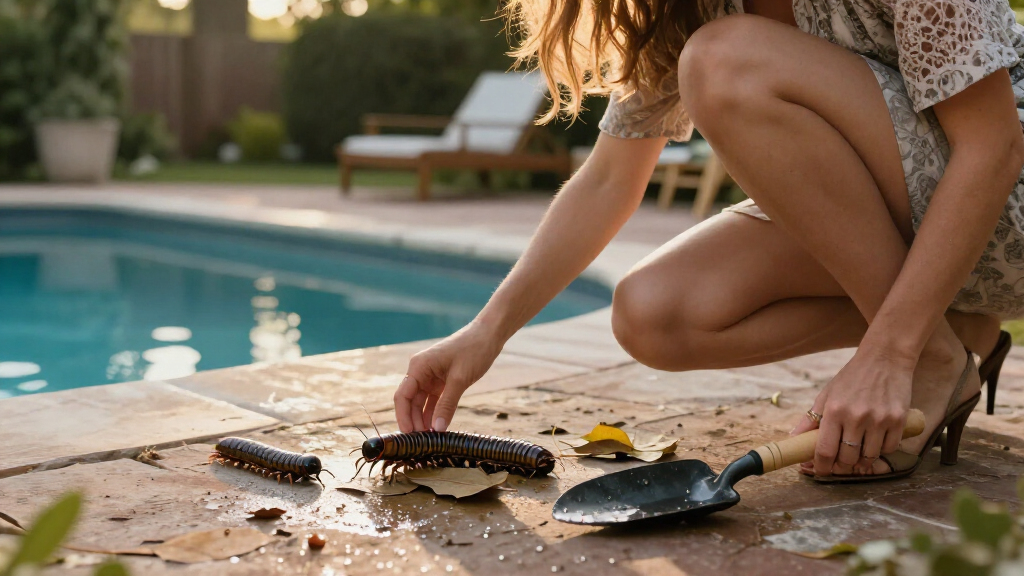
Grow Organic’s gardening report says centipedes, millipedes, sowbugs and pill bugs—often called roly-polys—are mostly helpful garden residents, not insects that should automatically be treated as pests. The report distinguishes their roles: centipedes hunt other small arthropods, while millipedes and the two crustacean groups mainly break down decaying plant matter, although some may occasionally damage vulnerable plants.

Get pool and patio gear delivered free with Prime
- Fast, free delivery on millions of items
- Prime Video, Amazon Music and more included
- Member-only deals all year
The report describes centipedes as fast-moving predators with one pair of legs on each leg-bearing body segment. They feed on insects, spiders and other small animals, rather than living plants. In gardens, that predatory role can help limit some pest populations, according to Grow Organic. The report cautions that unfamiliar centipedes should not be handled: some species can bite when threatened.
Millipedes have rounded bodies and are generally slower. They mainly consume dead leaves, rotting wood and other organic material, but can sometimes feed on tender seedlings, especially in damp conditions. Sowbugs and pill bugs are land-dwelling crustaceans with seven pairs of legs. Both mostly eat decaying matter; they may occasionally damage seedlings or soft fruit that touches damp soil.
A pill bug can curl into a ball when disturbed, while a sowbug generally cannot and has two tail-like projections. Grow Organic advises gardeners to identify the animal and look for actual plant damage before intervening. Where a problem is present, the report suggests reducing excess moisture and unnecessary hiding places and protecting vulnerable seedlings.
When Garden Residents Cause Damage
The distinction matters because an animal’s presence does not by itself show that plants are being harmed. Centipedes can be predators of other arthropods, while millipedes, sowbugs and pill bugs contribute to the breakdown of dead organic matter. Treating all of them as plant pests could remove organisms that are performing those roles, without addressing a confirmed source of damage.
At the same time, the report does not describe every species or situation as harmless. Seedling damage is possible, particularly where conditions are damp, and sowbugs or pill bugs may feed on soft fruit in contact with wet soil. The practical distinction is between seeing an arthropod and confirming a problem: gardeners can inspect plants first, then target changes to the conditions or areas associated with damage.
Products Worth Considering

Samsung 65-Inch M70H Series 4K Mini LED Smart TV (2026)

Dyson Ball Animal 3 Upright Corded Vacuum

Ring Battery Doorbell 4K Pro (2nd Gen)
As an affiliate, we earn on qualifying purchases.
How to Tell the Animals Apart
These animals may be found beneath flowerpots, damp mulch, stones, leaf litter or in compost, where moisture and shelter are available. Centipedes and millipedes are myriapods; pill bugs and sowbugs are crustaceans adapted to life on land. None are insects, despite the common use of “bug” in their names.
Body shape and movement can help with identification. A fast-moving, flatter animal with one pair of legs per leg-bearing segment points to a centipede. A slow, rounded animal that curls into a coil is more likely a millipede. Pill bugs roll into a ball; sowbugs do not. Grow Organic notes that colour alone is not enough to identify a millipede species, and that gardens can contain different centipede species.
The report also addresses house centipedes, which may be found in damp indoor spaces such as bathrooms, basements and crawl spaces. They hunt other arthropods and hide in cracks and crevices. It says adults usually have 15 pairs of legs. Their presence indoors is distinct from evidence of damage to garden plants.
“Most garden arthropods do not need treatment.”
— Grow Organic
Species and Damage Vary
The source does not give a publication date, identify a particular garden or outbreak, or report measured effects on plant health. It also does not name the species a gardener might encounter in a specific location. Colour and a general description cannot confirm species, and the likelihood of damage will depend on the animal and conditions.
The report says some millipedes, sowbugs and pill bugs may damage plants, but it does not quantify how often that occurs or how much damage is typical. A bite risk from an unfamiliar centipede also cannot be determined from the general description alone. The source advises avoiding handling unknown centipedes, rather than treating all species as equally hazardous.
Check Plants Before Acting
For gardeners who find these animals, the next step in the report’s guidance is to identify them and inspect nearby plants for signs of feeding. If damage is present, suggested measures include reducing excess moisture, clearing unnecessary debris that offers shelter, and protecting vulnerable seedlings. The report also recommends sealing openings around buildings when managing indoor pests.
If further control is considered, Grow Organic points readers toward integrated pest management and product guidance. It says any pesticide or diatomaceous earth should be used only in accordance with its label and the intended use. The source gives no indication of a scheduled follow-up or a specific new control recommendation.
Key Questions
Are centipedes, millipedes, sowbugs and roly-polys insects?
No. Centipedes and millipedes are myriapods; sowbugs and pill bugs, including roly-polys, are land-dwelling crustaceans.
Do centipedes eat garden plants?
Grow Organic says centipedes normally hunt insects, spiders and other small animals, rather than eating living plants. They may help limit some pest populations.
Can millipedes or roly-polys harm seedlings?
Sometimes. The report says millipedes may feed on tender seedlings, while sowbugs and pill bugs can occasionally damage seedlings or soft fruit touching damp soil. Their presence alone does not establish that damage is occurring.
How can I distinguish a pill bug from a sowbug?
A pill bug can roll into a ball when disturbed. A sowbug generally cannot and has two tail-like projections.
What should I do if I find these animals in the garden?
Identify the animal and check for actual plant damage before acting. If there is a problem, the report suggests addressing excess moisture and unnecessary hiding places and protecting vulnerable seedlings.
Source: rss