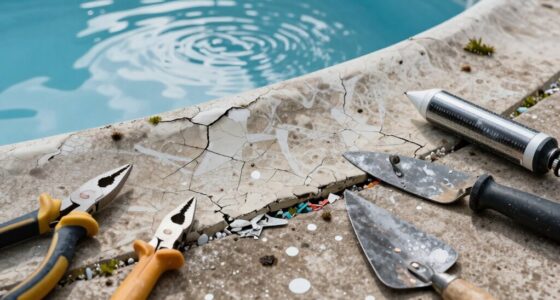

Small pool equipment leaks usually start in the same places because these areas face constant stress from pressure, temperature changes, and physical wear over time. Components like O-rings, seals, fittings, and plumbing lines are especially vulnerable. When you ignore signs of deterioration, small leaks develop, often at weak spots. Staying aware of these common trouble spots helps you catch problems early. Keep going, and you’ll understand how to better protect your pool equipment from leaks.

Get pool and patio gear delivered free — and shop member deals
- Fast, free delivery on millions of items
- Access to Prime Big Deal Days deals on October 6–7
- Prime Video, Amazon Music and more included
Key Takeaways
- High-stress areas like O-rings, seals, and fittings experience wear from constant pressure and temperature fluctuations.
- Rubber components deteriorate over time due to exposure to chemicals, water, and environmental conditions.
- Plumbing connections and gaskets endure vibrations and pressure, increasing the likelihood of cracks or loosening.
- Routine neglect leads to unnoticed small damages that develop into leaks at common stress points.
- Equipment parts exposed to frequent operational stress are more prone to early deterioration and leaks.
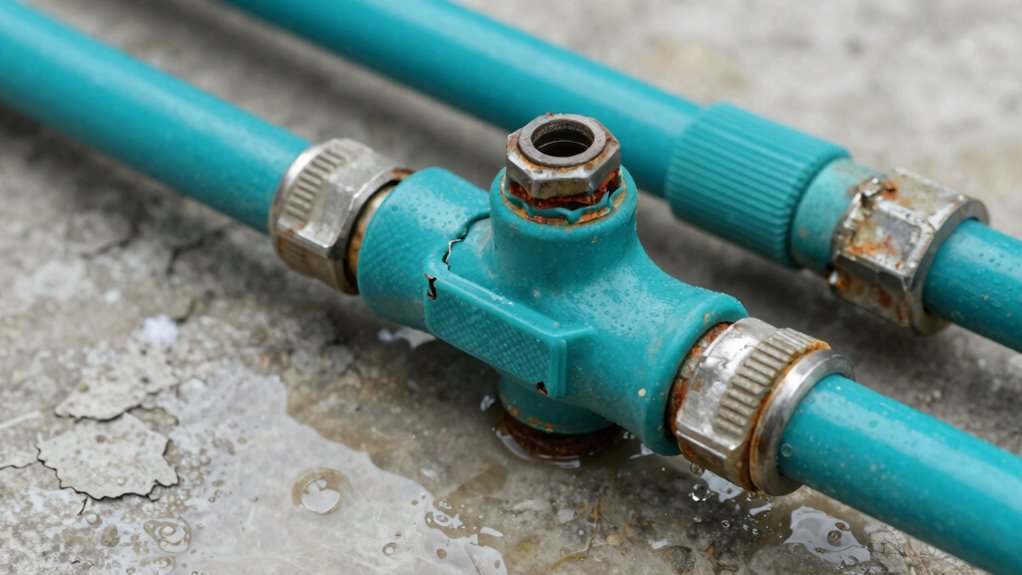
Small leaks in your pool equipment often originate in the same spots because those areas experience the most wear and stress over time. When you’re doing your regular pool maintenance, you might notice tiny drips or drops, but understanding why they happen in specific places can help you address issues before they become major problems. These common leak points are usually where your equipment faces the highest pressure, temperature fluctuations, or physical wear, making them the prime spots for small leaks to develop first.
Small leaks often occur in high-stress, high-pressure pool equipment areas over time.
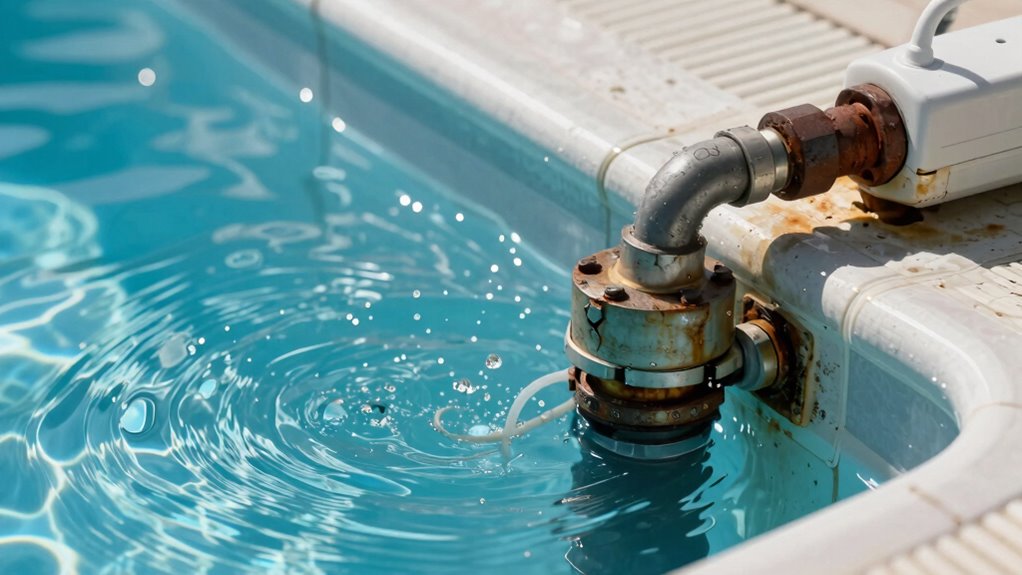
One of the most frequent leak sources is the pump’s O-rings and seals. Over time, these rubber components deteriorate due to constant exposure to water, chemicals, and varying temperatures. During routine pool maintenance, you might see that the pump is making unusual noises or running less efficiently—that’s often a sign that an O-ring needs replacing. Ignoring these small leaks can lead to bigger problems, like water loss, increased energy costs, or damage to the pump itself. Regularly inspecting and replacing worn seals can save you time and money in the long run.
Another common area prone to leaks is the filter housing and connections. The filter plays a crucial role in keeping your pool clean, but its fittings and gaskets face constant pressure and vibrations. Over time, these fittings can develop tiny cracks or become loose, especially if you skip routine maintenance checks. When you’re doing pool maintenance, make sure to tighten fittings carefully and replace any gaskets that look cracked or worn. Proper equipment replacement in these parts prevents leaks from spreading and maintains optimal filtration. Recognizing equipment wear early can help prevent leaks from worsening.
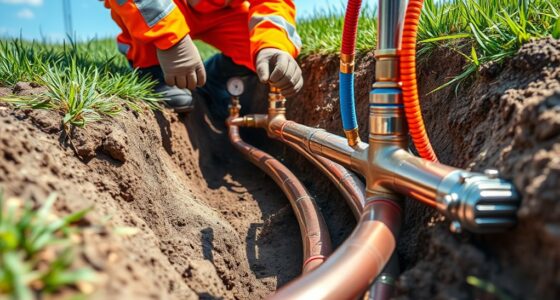
The plumbing lines and fittings are also susceptible to small leaks. These pipes are often buried or behind panels, which makes detecting leaks a little tricky. During pool maintenance, keep an eye on the pressure gauge—if it drops unexpectedly, or if you notice a wet spot near the equipment area, it’s time to investigate. Small pinhole leaks in pipes can be fixed with specialized sealants or, in more severe cases, equipment replacement. Addressing these leaks early helps you avoid costly repairs and keeps your pool running smoothly.
In essence, understanding why leaks start in these specific spots helps you focus your pool maintenance efforts. By routinely inspecting key parts, promptly replacing worn components, and paying attention to early warning signs, you keep small leaks from escalating. Proper equipment replacement when needed is essential to maintaining a leak-free pool and ensuring your system functions efficiently for years to come. Staying proactive in these areas means fewer surprises, less water waste, and a more enjoyable swimming experience. Regular maintenance and awareness of common leak points can significantly extend the lifespan of your pool equipment.
pool pump O-ring replacement kit
As an affiliate, we earn on qualifying purchases.
As an affiliate, we earn on qualifying purchases.
Frequently Asked Questions
How Can I Detect Small Leaks Early?
To detect small leaks early, regularly monitor your pool’s water level and look for subtle drops that aren’t caused by evaporation. Use leak detection methods like observing the equipment for visible drips or pooling. Pay attention to early signs such as decreased water levels, increased chemical use, or unusual sounds from equipment. Catching these signs early helps prevent costly repairs and keeps your pool in top shape.
What Tools Are Best for Repairing Small Pool Leaks?
For repairing small pool leaks, you should focus on leak detection tools like a dye tester, pressure gauge, and acoustic leak detector to identify the exact source. Tool selection is essential—choose durable, easy-to-handle equipment suited for plumbing or equipment repairs. Use a wrench for fittings, and sealant or replacement parts for small cracks. Proper tools help you make precise repairs, preventing further leaks and saving money.
Are Certain Pool Materials More Prone to Leaks?
Think of pool materials as the backbone of your oasis—some stretch and bend, while others crack under pressure. Vinyl liners and older concrete tend to be more prone to leaks due to lower durability, especially if exposed to harsh weather. To keep leaks at bay, focus on leak prevention methods like regular inspections and proper maintenance. Choosing high-quality, durable materials can turn your pool into a fortress that fights leaks.
How Often Should I Inspect My Pool Equipment for Leaks?
You should inspect your pool equipment for leaks at least once a month as part of regular pool maintenance. Regular checks help catch small leaks early, preventing costly repairs and ensuring leak prevention. During inspections, look for wet spots, drips, or unusual sounds around filters, pumps, and valves. Staying proactive with leak detection keeps your pool in top shape, saving you time and money while maintaining a safe, enjoyable swimming environment.
Can Small Leaks Affect Overall Pool Water Quality?
A tiny leak can cause a catastrophe, so yes, small leaks can seriously impact your pool water quality. They can introduce dirt, debris, and bacteria, making your pool unsafe and requiring more rigorous pool maintenance. Regularly inspecting for leaks and practicing leak prevention helps maintain water clarity and safety. Even small leaks shouldn’t be ignored—they’re like tiny cracks in a fortress that can weaken the entire structure over time.
Conclusion
Think of your pool equipment like a trusted friend—you rely on it daily, but even friends can develop secrets like leaks in familiar spots. When you catch a leak early, it’s like finding a small crack before it turns into a big break. Regular inspections can save you from costly repairs and keep your pool shining. Remember, addressing small leaks promptly is the key to keeping your pool’s heart healthy and your summer fun uninterrupted.
Evergreen bestsellers Picks
bestsellers
As an affiliate, we earn on qualifying purchases.