If your heater won’t ignite, start by ensuring safety: turn off the power and gas supply before inspecting components. Check your thermostat and power connections, then carefully examine the pilot light, gas valves, and ventilation for blockages or leaks. Resetting your heater safely can often resolve minor issues. If problems persist, it’s best to call a professional. Stay cautious; the next steps reveal more about troubleshooting safely and effectively.

Get pool and patio gear delivered free with Prime
- Fast, free delivery on millions of items
- Prime Video, Amazon Music and more included
- Member-only deals all year
Key Takeaways
- Always turn off power and gas before inspecting or troubleshooting to prevent electrical shocks and leaks.
- Check and clean the ignition components and pilot light for debris, soot, or dirt buildup.
- Verify the thermostat is set correctly and that power supply connections are secure and free of corrosion.
- Inspect gas valves and vents for leaks, blockages, or damage, and ensure proper ventilation.
- If issues persist, contact a professional to safely diagnose and repair electrical, gas, or mechanical faults.
As an affiliate, we earn on qualifying purchases.
Common Reasons Your Heater Won’t Ignite and How to Address Them
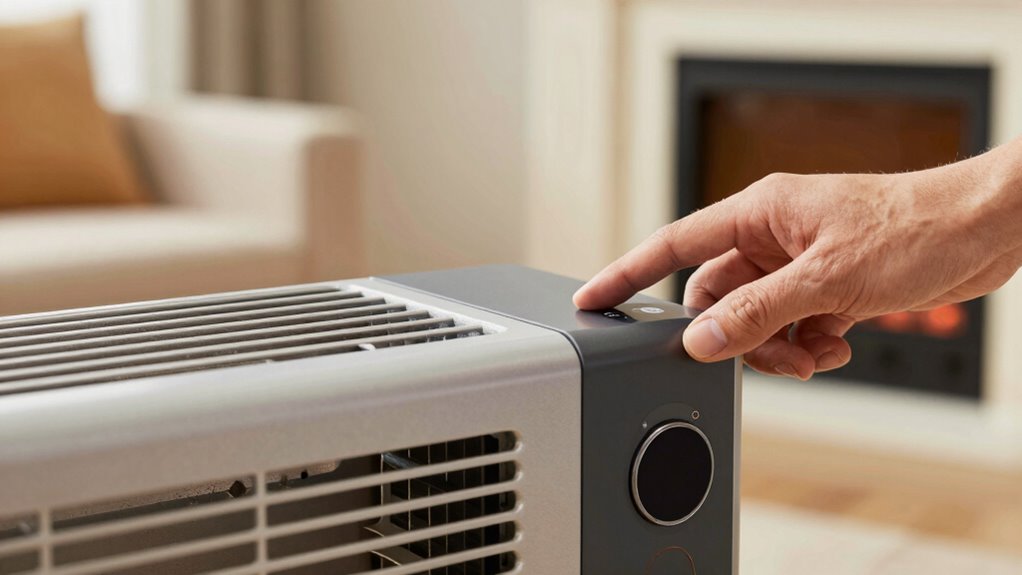
When your heater refuses to ignite, it’s often due to simple issues that you can troubleshoot yourself. One common cause is poor thermal insulation, which can lead to heat loss and prevent proper ignition. Check for any gaps or damages in your insulation and seal them if needed. Another key factor is the combustion chamber; if it’s dirty or clogged, it won’t ignite properly. Inspect the chamber for soot buildup or obstructions and clean it carefully. Verify the chamber is free of debris and properly sealed to maintain ideal combustion. Maintaining proper thermal insulation ensures efficient heat retention and reliable ignition. Additionally, ensuring that the heater’s safety mechanisms are functioning correctly can prevent ignition issues. Regularly inspecting safety features and testing them can help identify potential problems early. Proper maintenance routines can also extend the lifespan of your heater and improve its performance. Ensuring adequate ventilation can prevent hazardous conditions and promote proper operation. These straightforward checks can often resolve ignition issues. If problems persist, it’s best to consult a professional to avoid risking safety or further damage.
How to Check Your Thermostat and Power Supply Safely

If your heater still won’t turn on after checking the insulation and cleaning the combustion chamber, the next step is to examine the power supply and thermostat. Start by ensuring the power circuit is intact—check the circuit breaker or fuse box for any tripped breakers or blown fuses. Turn off the power before inspecting connections to avoid shocks. Next, test your thermostat calibration; it should be set to a temperature higher than the current room temperature. If it’s miscalibrated, your heater won’t activate. Use a multimeter to verify that the thermostat is functioning correctly and sending power to the heater. Reset any tripped circuit breakers, and if issues persist, consider replacing or recalibrating your thermostat for reliable operation. extension cord standards can help prevent overloads that might affect your heater’s power supply. Additionally, inspecting the power supply connections ensures there are no loose wires or corrosion that could impede electrical flow. Checking that your power source is providing consistent voltage can also help diagnose hidden electrical issues. Moreover, understanding the local electrical codes can ensure your setup meets safety requirements and prevents future problems.
Inspecting Gas Valves and Pilot Lights Without Risk

Before inspecting gas valves and pilot lights, make certain you turn off the gas supply to prevent leaks or accidents. Gas valve inspection is vital for safety, ensuring there’s no gas flow while you work. Always check that the valve is fully closed before proceeding. When inspecting the pilot light, prioritize pilot light safety by avoiding direct contact with hot components and ensuring proper ventilation. Use a flashlight to visually confirm the valve’s position and look for leaks around connections—never use a match or flame during inspection. If you notice any damage or leaks, contact a professional. Taking these precautions helps you handle gas-related components safely, reducing the risk of accidents while maintaining your heater’s proper function. Proper handling of gas components is essential for your safety and heater performance. Additionally, understanding gas safety protocols can further minimize risks during maintenance. Being aware of regulatory guidelines can help ensure compliance and safety during inspection procedures. Properly inspecting essential oils for safety can also be beneficial during maintenance to prevent any accidental exposure or adverse reactions. Regularly reviewing safety procedures can keep you prepared for any emergency situations that may arise.
Troubleshooting Electrical Problems That Prevent Heater Ignition

Electrical issues are a common cause of heater ignition failure, and diagnosing them promptly can save you time and frustration. Start by inspecting the ignition system components, such as the igniter and control board, for damage or corrosion. Faulty wiring or loose connections can prevent the system from receiving power, so check the electrical wiring carefully. Use a multimeter to test for continuity and voltage at key points. If you find frayed or burnt wires, replace them immediately. Verify all connections are secure and free of corrosion. Sometimes, a blown fuse or tripped circuit breaker is the culprit. Address these issues first before considering more complex repairs. Properly diagnosing electrical problems ensures a safe, reliable restart of your heater’s ignition process. Additionally, understanding the neural interfaces involved in electrical diagnostics can help improve troubleshooting accuracy and safety. Recognizing the importance of electrical safety protocols can further prevent accidents during repairs. Incorporating diagnostic tools, such as circuit testers and multimeters, can streamline the troubleshooting process and ensure accurate identification of issues. Consulting detailed electrical schematics can also aid in pinpointing problems quickly and safely. Being familiar with measurement standards can help ensure your testing procedures meet safety and accuracy requirements.
Verifying Proper Ventilation and Airflow for Safe Heater Operation

Proper ventilation and airflow are essential for safe and efficient heater operation. If airflow is obstructed, the heater may fail to ignite or shut down unexpectedly. Regular vent cleaning removes debris, dust, and blockages that hinder airflow. Check vents for obstructions like dirt or nests, and clear them thoroughly. Ensuring you have the right smart yard care equipment can also help monitor and maintain optimal heater performance. Additionally, installing smart security locks can prevent unauthorized access to outdoor vents or control panels, enhancing overall safety.
How to Reset Your Heater Safely Before Further Troubleshooting
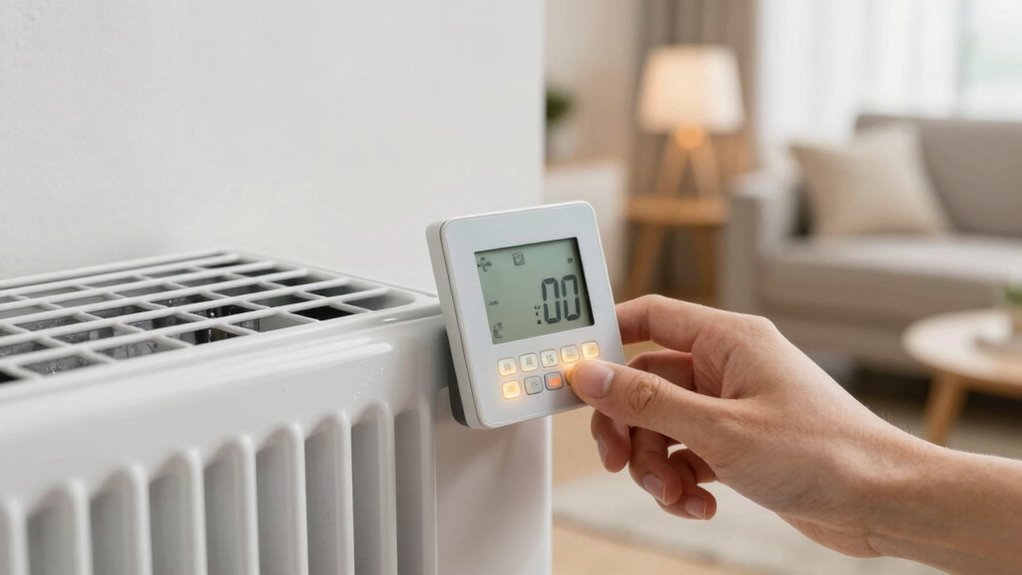
If your heater isn’t functioning correctly, resetting it can often resolve minor issues and restore safe operation. Start by turning off the heater and unplugging it to prevent electrical hazards. Check the thermostat calibration—if it’s off, it can cause ignition problems, so reset or adjust it to the recommended setting. Before restarting, verify the gas pressure regulation is correct; too high or low pressure can prevent ignition. Once these checks are complete, wait a few minutes to ensure safety, then turn the heater back on. If it still won’t ignite, don’t attempt further troubleshooting until you’re confident that these basic resets are done properly. Resetting securely helps avoid potential accidents and prepares your heater for more in-depth inspection if needed.
When to Call a Professional for Heater Repairs
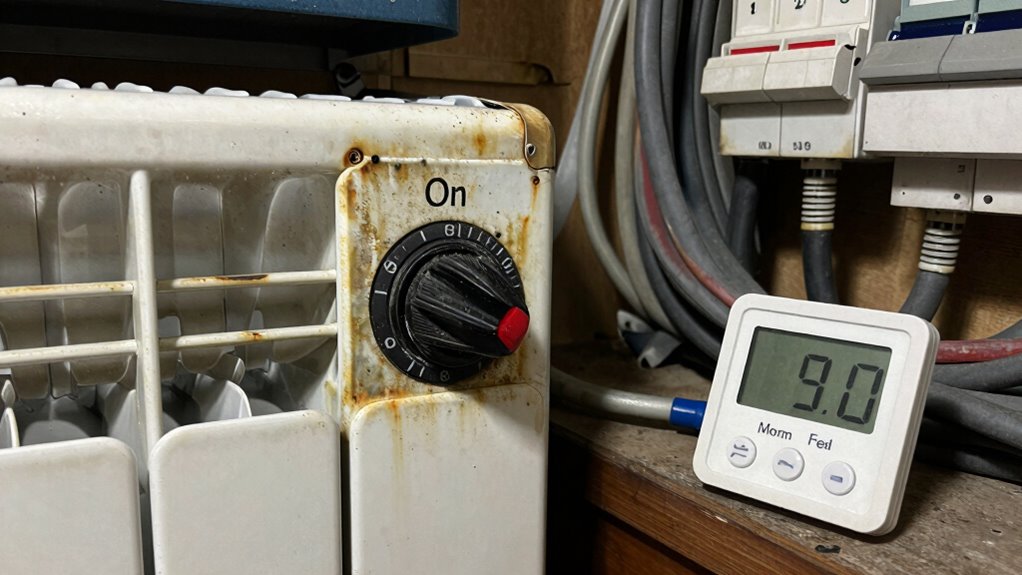
Knowing when to call a professional is crucial to guarantee your heater’s safety and proper functioning. If you notice persistent issues like strange smells, inconsistent heating, or frequent cycling, it’s time to seek expert help. Imagine:
- You see black soot or smoke around vents, risking indoor air quality.
- The heater makes unusual noises, indicating mechanical problems.
- The pilot light won’t stay lit despite reset attempts, risking safety.
- Your heater runs continuously, wasting energy and lowering efficiency.
Calling a professional ensures proper diagnosis, preserves indoor air quality, and restores heater efficiency. Attempting repairs beyond your skill can pose safety hazards and lead to further damage. Trust experts to handle complex issues, so you keep your home safe, warm, and energy-efficient.
Preventative Maintenance Tips to Avoid Ignition Issues
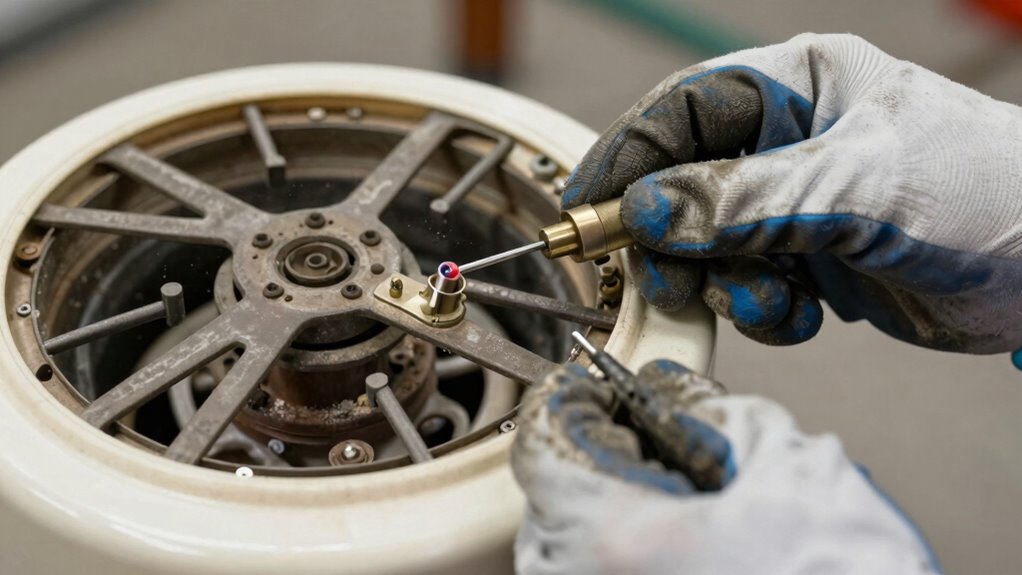
Regularly inspecting and cleaning your heater’s pilot light and ignition components can prevent many ignition problems before they start. For gas heaters, check the pilot light for a steady flame and clean any dirt or debris around the igniter. If you have an electric heater, ensure the ignition system is free of dust and corrosion. Knowing your fuel type helps you choose the right cleaning methods and replacement parts, reducing the risk of blockage or faulty sparks. Additionally, consider your heater size; a unit that’s too large or small for your space can strain components, leading to ignition failure. Routine maintenance, including inspecting connections and replacing worn parts, keeps your heater running smoothly and minimizes the chances of ignition issues down the line.
Safety Tips for DIY Heater Troubleshooting

Before you start troubleshooting your heater, make sure to turn off the power to prevent electrical shock. Always use the proper tools designed for the job to avoid injury or damage. Taking these precautions helps guarantee your safety throughout the repair process.
Turn Off Power
Turning off the power is the most crucial safety step before you start troubleshooting your heater. It guarantees you avoid electrical shocks or accidental activation. To properly turn off power, follow these safety precautions:
- Locate the main electrical panel and identify the breaker controlling your heater.
- Flip the breaker switch to the OFF position, cutting power completely.
- Confirm the power is off by trying to turn on the heater—nothing should happen.
- Use a voltage tester if needed to double-check there’s no current flowing.
Use Proper Tools
Using the right tools is indispensable for safe and effective heater troubleshooting. Always select proper tools designed for electrical work, such as insulated screwdrivers, multimeters, and pliers. These tools help prevent accidents and ensure accurate diagnostics. Don’t forget safety gear like gloves and safety goggles to protect against electrical shocks and debris. Using improper tools can damage your heater or cause injury, so double-check your equipment before starting. Keep your workspace organized and clear of clutter to avoid accidents. If you’re unsure about handling certain components, consult the heater’s manual or a professional. Proper tools and safety gear aren’t just precautions—they’re crucial for a safe, efficient troubleshooting process. Prioritize safety to avoid hazards and ensure your heater is fixed correctly.
Frequently Asked Questions
Can a Dirty Filter Cause My Heater to Not Ignite?
Yes, a dirty filter can prevent your heater from igniting. When air filter maintenance is neglected, airflow is restricted, causing the system to overheat or shut down as a safety measure. make certain your filter is clean and replace it regularly. Also, check thermostat calibration; if it’s off, your heater might not turn on when needed. Keeping both in good shape helps your heater ignite properly and run efficiently.
Is It Safe to Bypass the Thermostat During Troubleshooting?
It’s not safe to bypass the thermostat during troubleshooting because it involves working with electrical wiring, which can be risky. Bypassing can also interfere with proper thermostat calibration, leading to inaccurate temperature control or potential damage. Instead, turn off power, check connections carefully, and test the thermostat according to manufacturer instructions. If you’re unsure, consult a professional to avoid safety hazards and guarantee your heater functions correctly.
What Are Signs of a Failing Gas Valve?
You’ll notice gas valve symptoms like inconsistent heating, a smell of gas, or the heater failing to turn on at all. Faulty valve signs include a clicking sound when it should open, or if it remains stuck closed. If you observe any of these issues, it’s essential to shut off the gas supply immediately and call a professional. Don’t attempt to repair the valve yourself, as it can be dangerous.
How Do I Identify a Cracked Pilot Light Assembly?
You might suspect a cracked pilot light assembly if you notice a persistent yellow or orange flame instead of a steady blue one, indicating incomplete combustion. To identify an assembly crack, carefully turn off the heater and inspect the pilot light area for visible cracks or damage. A cracked assembly can cause flickering or failure to ignite, so replace it promptly for safe, efficient operation.
Can Improper Ventilation Damage My Heater?
Improper ventilation can definitely damage your heater. If the ventilation requirements aren’t met, your heater might not burn fuel efficiently, leading to carbon monoxide buildup and potential damage to internal components. Make sure your heater placement allows for proper airflow, avoiding cramped or enclosed spaces. Proper ventilation guarantees safe operation, prevents overheating, and extends your heater’s lifespan. Always follow manufacturer guidelines for ventilation and placement to keep your heater running safely and efficiently.
Conclusion
Remember, regular maintenance can reduce heater failure chances by up to 30%. Always prioritize safety when troubleshooting, and don’t hesitate to call a professional if you’re unsure. Proper care guarantees your heater runs smoothly and safely through colder months. By understanding common issues and following safety tips, you keep your home warm and secure. Stay proactive, and you’ll enjoy reliable heat without unnecessary risks or costly repairs.
Halloween Picks
halloween
As an affiliate, we earn on qualifying purchases.