Pool pump priming problems usually happen because of air leaks, flow obstructions, or damaged components. You might see air entering through loose fittings, cracked seals, or worn gaskets. Water levels that are too low or debris blocking the skimmer or inlet can also cause issues. Ensuring all parts are sealed tight and keeping the system clean often fixes the problem. Keep going to discover how to troubleshoot and prevent priming issues effectively.

Get pool and patio gear delivered free — and shop member deals
- Fast, free delivery on millions of items
- Access to Prime Big Deal Days deals on October 6–7
- Prime Video, Amazon Music and more included
Key Takeaways
- Air leaks in the suction line from cracks or loose fittings prevent proper priming; inspect and reseal all connections.
- Low water levels or obstructions in skimmer or inlet restrict water flow, causing air intake; maintain water levels and clear debris.
- Worn or damaged pump impellers and unsealed lids or gaskets allow air entry; inspect, clean, and secure components regularly.
- Incorrect system installation or design issues lead to priming failures; ensure proper setup and compatible parts.
- Lack of routine maintenance, such as cleaning baskets and inspecting fittings, increases the risk of priming problems.
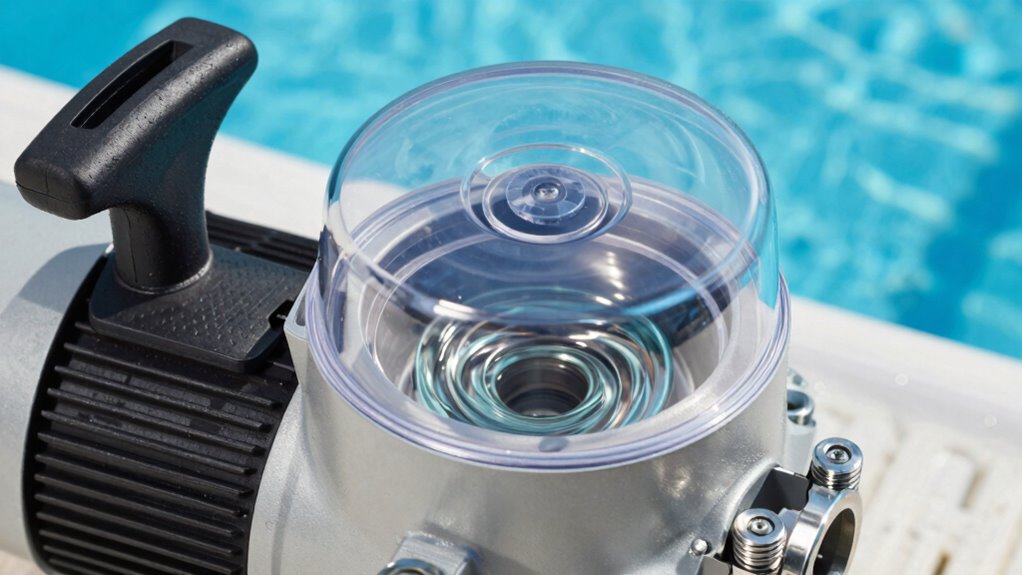
Have you ever struggled to get your pool pump to prime properly? It’s a common issue that can disrupt your pool’s circulation and overall cleanliness. When a pump won’t prime, it’s usually because air is trapped somewhere in the system or water isn’t flowing freely through your pool filtration system. This problem isn’t just frustrating; it can also lead to damage if left unresolved. To fix it, you need to understand what causes priming issues and how to address them quickly and effectively.
One major cause of pool pump priming problems is air leaks in the suction line. If there are cracks, loose fittings, or improperly sealed connections in the piping, air can enter the system, preventing the pump from creating the necessary suction. Over time, components like O-rings or gaskets may deteriorate, allowing air to seep in. This issue can often be prevented with regular pump maintenance, which includes inspecting and replacing worn parts. Ensuring all fittings are tight and sealed properly is key to maintaining efficient pool filtration and keeping your pump functioning smoothly.
Air leaks in the suction line from cracks or loose fittings can prevent your pump from priming properly.
Another common cause relates to water level. If your pool’s water level drops below the skimmer or pump inlet, the pump can suck in air instead of water. This leads to a loss of prime and can damage the pump if it runs dry for too long. Regularly checking and maintaining proper water levels helps avoid this problem. Additionally, debris or blockage in the skimmer basket, pump basket, or inlet valves can restrict water flow, causing air to be trapped and preventing the pump from priming correctly. Clearing out any leaves, dirt, or obstructions keeps water flowing freely and ensures your pump can do its job.
Sometimes, the issue is with the pump itself. A worn or damaged impeller or a clogged impeller can reduce water flow, trapping air and preventing prime. Regular pump maintenance, including inspecting and cleaning the impeller, helps maintain optimal performance. Also, if your pump’s lid or lid gasket isn’t sealed tightly, air can enter the system, so always check that these components are secure before starting the pump. Additionally, understanding the importance of proper system design can help prevent priming challenges by ensuring all components are compatible and correctly installed.
In most cases, fixing priming problems involves a combination of inspecting for air leaks, maintaining proper water levels, clearing debris, and ensuring all fittings are tight. Regular pump maintenance not only prevents priming issues but also prolongs the lifespan of your equipment and keeps your pool water clean and clear. When you stay attentive to these details, you’ll find that your pool pump remains primed and ready, making your pool time more enjoyable with less hassle.
pool pump priming troubleshooting kit
As an affiliate, we earn on qualifying purchases.
As an affiliate, we earn on qualifying purchases.
Frequently Asked Questions
Can Weather Changes Affect Pool Pump Priming?
Weather changes can definitely impact your pool pump priming. Cold temperatures cause water to freeze or thicken, making it harder for the pump to draw water, leading to priming challenges. Sudden rain or humidity can introduce air into the system, disrupting the priming process. You should regularly check for leaks or air leaks and make certain the pump is properly sealed, especially during weather shifts, to prevent priming issues.
How Often Should I Check for Leaks in the Pump?
You should check for leaks during routine pump maintenance, ideally once a month or whenever you notice unusual sounds or pressure drops. Leak detection is essential to prevent priming issues, saving you time and costly repairs. While it might seem tedious, regular inspections help identify small problems before they escalate, ensuring your pool’s circulation stays efficient and reliable. Don’t wait for leaks to worsen—stay proactive with consistent pump maintenance.
Is It Normal for the Pump to Lose Prime Overnight?
Yes, it’s normal for your pool pump to lose prime overnight sometimes. Pump noise and air leaks can cause this issue, as air may seep into the system while you’re not using it. To prevent this, check for air leaks around the seals and fittings regularly. If you notice the pump making unusual noises or losing prime frequently, inspect the pump lid and suction lines to guarantee they’re airtight and functioning properly.
What Type of Pump Is Less Prone to Priming Issues?
You’ll find that self-priming pumps are less prone to priming issues because their pump design allows them to automatically draw water without manual intervention. These pumps often incorporate efficient priming techniques, making startup smoother and reducing air leaks. To keep priming problems at bay, guarantee proper installation, check for leaks, and follow recommended priming techniques regularly. This combination helps maintain consistent performance and minimizes the risk of losing prime.
Can Algae Buildup Cause Priming Problems?
Algae buildup can indeed cause priming problems, acting like a relentless villain blocking your pool’s flow. When algae and debris accumulate, they create algae blockage in the skimmer or pump basket, making it difficult for water to circulate properly. This debris accumulation prevents the pump from maintaining prime, leading to air leaks and priming failure. Regular cleaning and algae prevention are essential to keep your pump running smoothly and avoid these frustrating issues.
Conclusion
Understanding what causes pool pump priming problems helps you troubleshoot effectively and keep your pool running smoothly. Regular maintenance, checking for leaks, and ensuring the skimmer basket isn’t clogged can prevent most issues. Did you know that according to the Pool & Hot Tub Alliance, improper priming accounts for nearly 30% of pool pump failures? Staying proactive with your pool’s upkeep not only extends the lifespan of your equipment but also keeps your swim experience enjoyable and stress-free.
Fall Picks
fall essentials
As an affiliate, we earn on qualifying purchases.