In large pools, weak cleaning cycles can become obvious quickly, so you need to stay vigilant. Regularly check your chemical levels, especially pH and chlorine, since small imbalances escalate fast in big bodies of water. Maintain your filtration and circulation systems by inspecting and repairing equipment promptly. Keep an eye on water clarity and algae growth to catch issues early. If you keep up with proactive care, you’ll prevent costly problems—learn more about effective strategies ahead.

Get pool and patio gear delivered free with Prime
- Fast, free delivery on millions of items
- Prime Video, Amazon Music and more included
- Member-only deals all year
Key Takeaways
- Larger pools reveal cleaning deficiencies quickly, leading to algae blooms and cloudy water if routine maintenance is neglected.
- Inadequate chemical balancing in large pools causes rapid water quality deterioration and potential equipment damage.
- Frequent system wear in big pools demands regular inspection and timely repairs to prevent failures.
- Proactive monitoring of chemical levels and equipment health helps catch issues before they escalate.
- Consistent, thorough maintenance ensures effective cleaning cycles and keeps large pools safe and inviting.
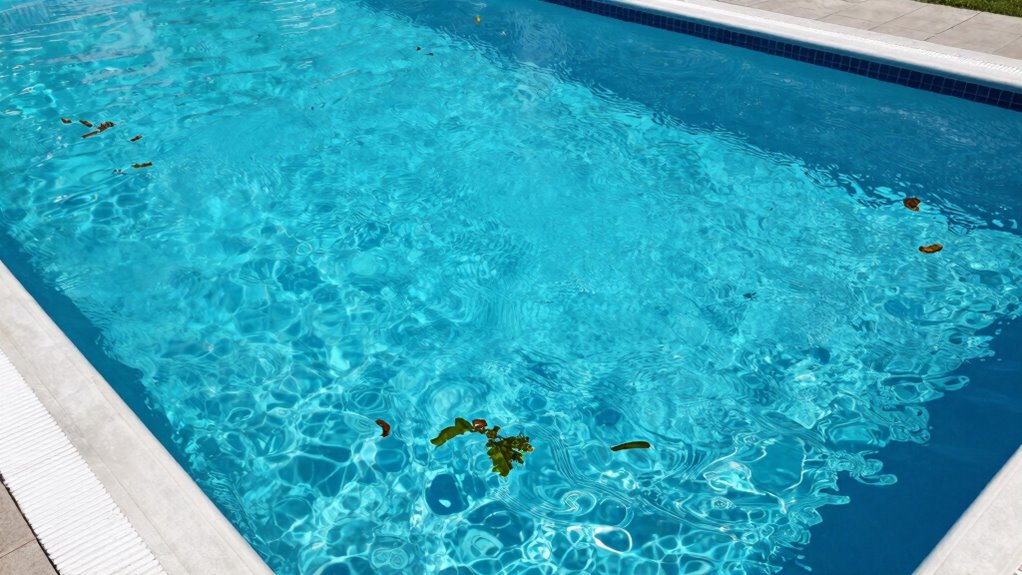
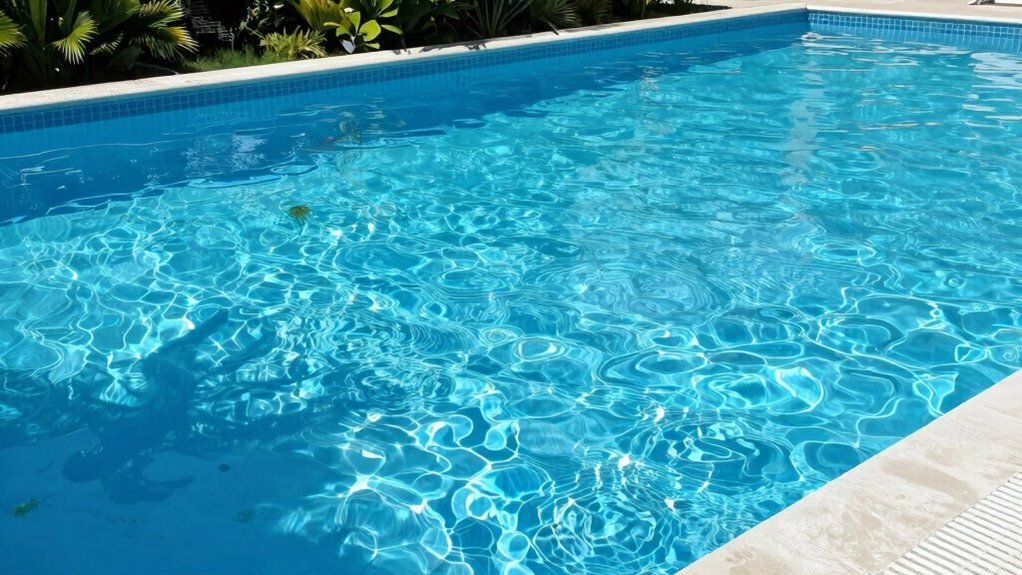
Large pools tend to reveal the shortcomings of weak cleaning cycles much faster than smaller ones. When you’re managing a sizable body of water, even minor issues in your cleaning routine quickly become noticeable. If your chemical balance isn’t precise, algae can bloom overnight, and cloudy water becomes a persistent problem. It’s essential to stay vigilant about maintaining the right chemical levels—pH, chlorine, alkalinity, and stabilizers—because small imbalances can escalate rapidly in large pools. Regular testing and adjusting are your best tools to prevent water quality from slipping. Neglecting chemical balance doesn’t just affect appearance; it can also compromise swimmer safety and damage your pool equipment over time.
Equipment maintenance is equally critical in large pools. Pumps, filters, and sanitizers work harder and sustain more wear in bigger systems. If you overlook routine checks or delay repairs, you risk system failures that can lead to water contamination or costly repairs. For instance, a clogged filter reduces water flow, straining your pump and allowing debris to circulate freely. Over time, this can cause algae growth and bacteria buildup, which is tough to control without proper filtration. Regularly inspect equipment for leaks, unusual noises, or signs of wear. Lubricate moving parts and replace worn-out components promptly to keep everything running smoothly. When your equipment functions efficiently, it ensures the cleaning cycle operates as intended, maintaining water clarity and safety. Additionally, understanding the chemical balance and how it interacts with your equipment can help you troubleshoot more effectively and keep your system running optimally. Proper maintenance routines are vital for preventing equipment breakdowns and ensuring consistent water quality. Recognizing the importance of proper pool maintenance routines can also extend the lifespan of your equipment and improve overall water quality.
The size of your pool demands a proactive approach. A weak cleaning cycle isn’t just about running the system once in a while; it’s about continuous attention to detail. You need to monitor chemical levels daily, especially after heavy use or weather changes, and perform routine maintenance on your filtration and circulation systems. If you notice the water isn’t clearing or if algae starts to appear, it’s a sign you need to double down on chemical adjustments and perhaps upgrade or repair equipment. Consistent, vigilant maintenance prevents small problems from turning into big ones, saving you time, money, and stress in the long run. Additionally, understanding how your pool equipment functions can help you troubleshoot issues more effectively and ensure optimal performance.
In large pools, weak cleaning cycles quickly become obvious, so it’s up to you to stay on top of chemical balance and equipment maintenance. These are your best tools for keeping your pool safe, clean, and inviting. By paying close attention to these details, you’ll ensure your pool remains a safe haven rather than a trouble spot. Regular, proactive care makes all the difference in managing the unique challenges of large pools effectively.
As an affiliate, we earn on qualifying purchases.
Frequently Asked Questions
How Often Should I Replace My Pool’s Cleaning Cycle Equipment?
You should replace your pool’s cleaning cycle equipment every 3 to 5 years, depending on usage and wear. Regularly check your pool chemical levels and perform skimmer maintenance to keep everything running smoothly. If you notice persistent issues like poor circulation or debris buildup despite maintenance, it’s time to think about replacing parts. Staying proactive helps guarantee your pool stays clean, safe, and efficiently maintained.
What Signs Indicate My Pool’s Cleaning Cycle Is Ineffective?
You’ll notice your pool’s cleaning isn’t working when the chlorine levels stay stubbornly low, despite adding chemicals. Ironically, algae growth is a clear sign your cycle’s ineffective—your water turns green even with a functioning filter. If you see debris lingering or cloudy water persists, it’s time to check your cleaning cycle. Ignoring these signs lets algae thrive and chlorine do little, making your pool less inviting.
Can I Improve Cleaning Efficiency Without Upgrading Equipment?
You can improve cleaning efficiency by focusing on filter optimization and chemical balancing. Regularly clean or backwash your filter to guarantee it functions at peak performance, and check that the filter media isn’t clogged. Additionally, maintain proper chemical levels to prevent algae and bacteria buildup. Proper chemical balancing helps your sanitizer work effectively, reducing debris and contaminants, so your pool stays cleaner longer without needing to upgrade your equipment.
How Does Pool Size Affect the Lifespan of Cleaning Systems?
Think of your pool’s cleaning system as a marathon runner—larger pools put more strain on equipment, wearing it out faster. Size directly impacts pool maintenance and equipment durability; bigger pools demand more from your systems, accelerating wear and tear. To extend lifespan, you need regular maintenance, proper cycle settings, and maybe upgrading parts as needed. Keep an eye on performance to prevent early breakdowns, ensuring your equipment endures the test of time.
Are There Specific Cleaning Cycles Better for Large Pools?
For large pools, you should opt for cleaning cycles that focus on thorough coverage and longer operation times. Make certain your chemical balance stays ideal to prevent debris buildup, and regularly maintain your skimmer to enhance efficiency. These adjustments ensure your cleaning system works effectively, reducing strain and preventing premature wear. Consistently monitoring and adjusting these factors helps your pool stay clean and your equipment last longer.
Conclusion
To keep your large pool sparkling, you need to pay close attention to your cleaning cycles, much like a vigilant gardener tends to fragile plants. If you neglect proper maintenance, your pool can quickly turn cloudy and uninviting, exposing weaknesses in your cleaning routine. Stay proactive, check your filters regularly, and adjust cycles as needed—think of it as giving your pool a gentle, daily hug to keep it pristine and inviting all season long.
Halloween Picks
halloween
As an affiliate, we earn on qualifying purchases.