
TL;DR

Get pool and patio gear delivered free with Prime
- Fast, free delivery on millions of items
- Prime Video, Amazon Music and more included
- Member-only deals all year
A Family Handyman report recommends checking insulation and air leaks in areas including attics, exterior walls, windows, pipes and basements before winter. Contractors interviewed for the report say the work can reduce drafts and heat loss, while insulation around vulnerable pipes can help protect against freezing; the report gives no measured savings estimates.
A Family Handyman report recommends checking 10 areas around the home for insulation gaps and air leaks before winter, including attics, exterior walls, windows, pipes and ductwork. The advice, attributed to roofing and HVAC professionals, focuses on limiting heat loss and protecting plumbing in cold weather; the report does not quantify expected energy savings.
The report puts attics and roof spaces at the top of the checklist. Roofer Andre Kazimierski says aging roofs can develop gaps that let cold air into the attic. He recommends having an older roof inspected and considering insulation on the roof deck. Because many attics are vented, the report says the attic floor should be insulated to separate that space thermally from the living areas below.
Other items include exterior walls, where contractors cited in the report say blown-in insulation can be an option for finished walls, and spray foam can seal gaps. For windows and exterior doors, HVAC contractor Bob Cardwell recommends checking rubber seals and weatherstripping and replacing worn material. A door sweep can help limit drafts at the bottom of an exterior door.
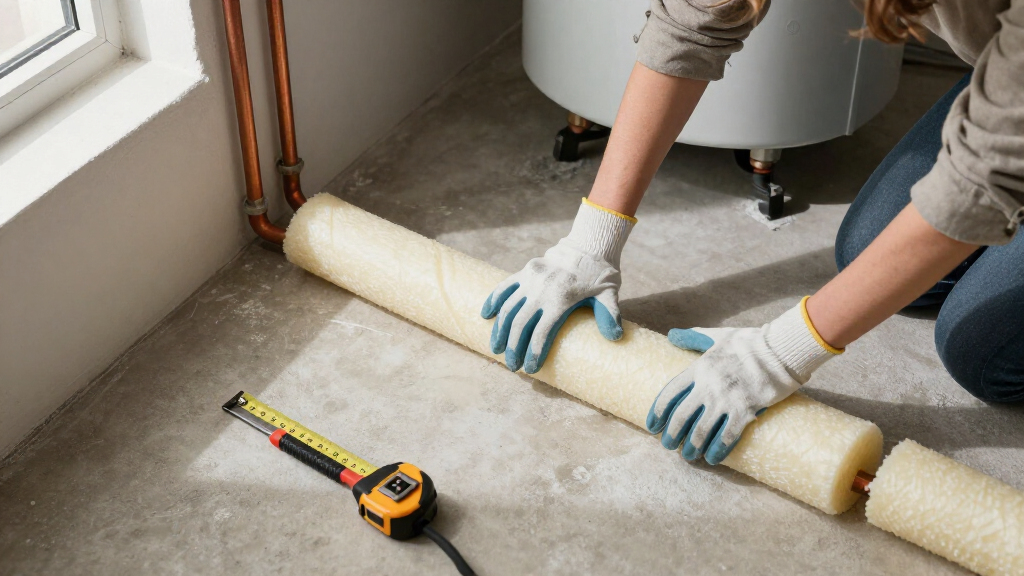
The checklist also covers pipes in unheated spaces, basement and crawl-space gaps, garage walls shared with the house, HVAC duct joints, and openings around electrical outlets and utility penetrations. Cardwell recommends pipe sleeves in protected areas and electric heat cables where pipes regularly face temperatures below 32 degrees Fahrenheit. For exposed ducts, he advises mastic or UL-listed foil tape rather than ordinary duct tape.
Where Heat Loss Can Start
Insulation and air sealing address different routes for heat to leave a home. Kazimierski told the report that sealing gaps can improve overall insulation, while insulation also reduces heat transfer through building materials. That makes the checklist relevant to household comfort and heating demand as temperatures fall.
Pipe insulation has a separate practical purpose: protecting water lines in cold areas from freezing. The report does not establish how much any household will save or how much protection a specific installation provides. Those outcomes depend on the home, the location and condition of the materials, and the work performed.
Why the Attic Comes First
The report frames attic and roof spaces as an initial priority because warm air rises and can escape through inadequately insulated ceilings, according to roofer Cody Purtle of Silver Ridge Roofing. It says an attic can be vented while still being thermally separated from living space by insulation at the attic floor.
Recommendations vary by location and conditions. For example, the report distinguishes between exposed plumbing in somewhat protected spaces and pipes in places that regularly fall below freezing. It also says garages generally do not need full insulation, though a wall shared with the home should be insulated.
“Sealing gaps goes a very long way with improving overall insulation.”
— Andre Kazimierski, HomeHero Roofing, as quoted by Family Handyman
Costs and Savings Vary
The source does not provide cost estimates, measured energy savings, or a universal insulation level for each part of a home. It also does not give the publication date, so the timing of the advice relative to a particular winter is not specified. Whether a home needs added insulation, repair or professional assessment depends on its construction and current condition.
The report notes that spring may be the best time to add attic insulation, citing Cardwell, but the supplied material ends before explaining that recommendation. Its reasoning is not available in the source excerpt.
Inspect Before Temperatures Drop
Homeowners can use the checklist to look for worn seals, visible gaps, exposed pipes in cold spaces and leaks at accessible duct joints before winter. For an older or weathered roof, Kazimierski recommends a roofer’s inspection. The report does not specify a single deadline or prescribe the same work for every home; next steps depend on what an inspection finds.
Key Questions
Which area should homeowners check first?
The report recommends starting with the attic and roof spaces, citing the risk of heat escaping through inadequately insulated ceilings and gaps in aging roofs.
Which pipes should be insulated before winter?
The checklist prioritizes pipes near exterior walls and those running through unheated spaces such as attics, basements and crawl spaces. It also recommends insulating hot-water pipes to limit heat loss.
What should be used to seal HVAC duct leaks?
Cardwell recommends mastic or UL-listed foil tape for exposed duct joints and seams. He says ordinary duct tape is not suitable for this purpose.
Does every garage need full insulation?
No. The report says a garage generally does not need full insulation, but recommends insulating a garage wall shared with the house. A garage used for other purposes may warrant treatment more like the rest of the home.
Source: rss
Halloween Picks
halloween
As an affiliate, we earn on qualifying purchases.