
Hot tub problems like cloudy water, strong odors, or skin irritation often stem from chemical imbalances. Test your water regularly and adjust pH levels and sanitizer as needed. Jet issues usually result from clogs or pump problems; inspect and clean nozzles and ensure pumps are functioning properly. Routine maintenance helps prevent costly repairs and keeps your hot tub running smoothly. Keep this in mind, and you’ll find out how to address these issues quickly and effectively.

Get pool and patio gear delivered free — and shop member deals
- Fast, free delivery on millions of items
- Access to Prime Big Deal Days deals on October 6–7
- Prime Video, Amazon Music and more included
Key Takeaways
- Regularly test and balance water chemistry, including pH and sanitizer levels, to prevent cloudiness, odors, and skin irritation.
- Check and clean jet nozzles and filters to resolve low flow or pressure issues caused by debris or mineral buildup.
- Inspect and maintain the pump and air blower for leaks, blockages, or worn parts to ensure proper jet operation.
- Address chemical imbalances promptly by adjusting chemicals and shocking the water to prevent algae growth and bacterial buildup.
- Perform routine maintenance, including cleaning and inspecting internal components, to prolong hot tub lifespan and avoid costly repairs.
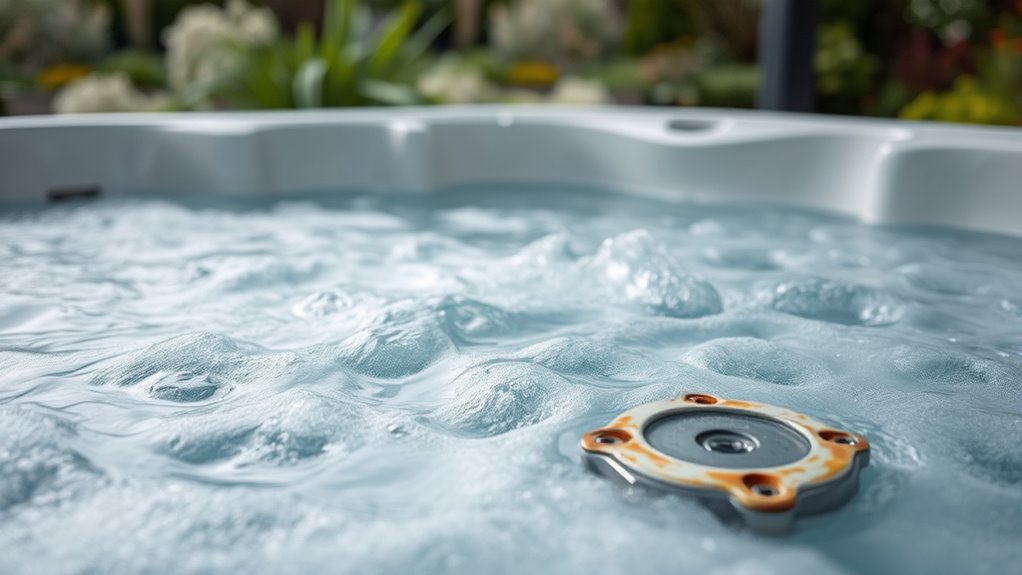
Owning a hot tub can be a relaxing experience, but it often comes with its own set of problems that can disrupt your enjoyment. One common issue you might face is a chemical imbalance. If you notice the water becoming cloudy, developing a strong odor, or causing skin irritation, chances are the chemicals aren’t properly balanced. Too much chlorine or bromine can lead to skin or eye irritation, while insufficient chemicals can promote algae growth and bacteria buildup. To fix this, test your water regularly using a reliable test strip or kit. Adjust the chemical levels accordingly—adding sanitizer if levels are low, or shocking the water if it’s cloudy or has a strong smell. Maintaining proper pH levels, ideally between 7.2 and 7.8, is essential; if the pH is too high or low, chemicals won’t work effectively, and water quality will suffer. Regularly balancing your water chemistry not only guarantees safe, clean water but also prolongs the life of your hot tub and its components. Consistent maintenance and monitoring are key to avoiding costly repairs and ensuring optimal performance.
Another frequent problem involves jet malfunction. If your jets aren’t producing the expected flow or seem to have lost pressure, it can take away from your relaxing experience. Jet issues often stem from clogged or blocked nozzles, which can happen due to debris, mineral buildup, or sediment. To troubleshoot, turn off the hot tub and remove the jets or nozzles for inspection. Clean out any debris or mineral deposits with a brush or vinegar solution. Sometimes, the problem lies with the pump or air blower; if the pump isn’t functioning properly, the jets won’t operate as they should. Check the pump for leaks, blockages, or worn-out parts. Ensure the air control valve is functioning correctly, as it mixes air with water to create the jet’s bubbling effect. If cleaning and inspecting these parts doesn’t resolve the issue, you might need to consult a professional to assess whether the pump or other internal components require repair or replacement. Regular inspections and maintenance of these parts can prevent many common jet problems.
Both chemical imbalance and jet malfunction can seem intimidating at first, but with a bit of regular maintenance, you can keep your hot tub in top shape. Regular testing, cleaning, and inspecting preventative measures can save you money and frustration in the long run, helping you enjoy your hot tub whenever you want without unexpected disruptions. Remember, staying on top of these issues not only improves your comfort but also extends the lifespan of your hot tub, ensuring many relaxing soak sessions ahead. Implementing preventative maintenance routines can significantly reduce the occurrence of these problems and keep your hot tub operating smoothly.
As an affiliate, we earn on qualifying purchases.
Frequently Asked Questions
How Often Should I Perform Hot Tub Water Tests?
You should perform water testing at least 2-3 times a week to guarantee proper chemical balance. Regular water testing helps you monitor pH, alkalinity, and sanitizer levels, preventing issues like cloudiness or bacteria growth. If you use your hot tub frequently or after heavy use, test the water daily. Keeping up with consistent water testing allows you to maintain a safe, clean, and comfortable hot tub experience.
Can I Use Household Chemicals to Treat Hot Tub Water?
You shouldn’t use household chemicals for hot tub water treatment, as they can upset the delicate chemical balance and damage your spa. Instead, stick to products specifically made for hot tubs, like sanitizer and pH adjusters. Although it might seem easier to use household chemicals, improper use can lead to cloudy water, skin irritation, or equipment issues. Always follow manufacturer instructions for safe, effective water treatment.
What’s the Best Way to Prevent Mold Growth in My Hot Tub?
To prevent mold growth in your hot tub, focus on proper spa maintenance and mold prevention techniques. Regularly clean and disinfect your hot tub, pay attention to water chemistry, and keep the cover dry when not in use. Guarantee proper ventilation around the spa, and dry off surfaces after use. These steps help inhibit mold, maintain a clean hot tub, and promote a safe, enjoyable spa experience.
How Do I Troubleshoot Persistent Low Water Flow?
Did you know that 60% of hot tub issues stem from poor water flow? To troubleshoot persistent low water flow, start by inspecting your water filter; a clogged filter reduces flow considerably. Next, check your pump for any blockages or leaks. Clean or replace the filter if needed, and make sure the pump is functioning properly. Regular pump inspection and maintaining a clean water filter keep your hot tub flowing smoothly.
Are There Any Safety Tips for Troubleshooting Electrical Issues?
When troubleshooting electrical issues, prioritize electrical safety by disconnecting power before inspecting any components. Follow troubleshooting guidelines carefully, checking for loose connections, damaged wires, or tripped circuit breakers. Use insulated tools and wear rubber gloves to prevent shocks. Avoid touching electrical parts with wet hands. If unsure, consult a licensed electrician. Always verify the power is off before working on your hot tub’s electrical system to prevent accidents.
Conclusion
Remember, many hot tub issues are manageable with a little patience and troubleshooting. Regular maintenance and quick action can prevent small problems from becoming costly repairs. Think of it like tending a garden—consistent care keeps everything thriving. Don’t wait for problems to snowball; address them early. With a bit of effort, you’ll enjoy relaxing soaks without stress. After all, an ounce of prevention is worth a pound of cure, keeping your hot tub in top shape year-round.
Fall Picks
fall essentials
As an affiliate, we earn on qualifying purchases.