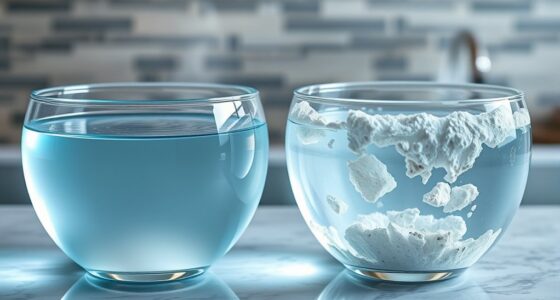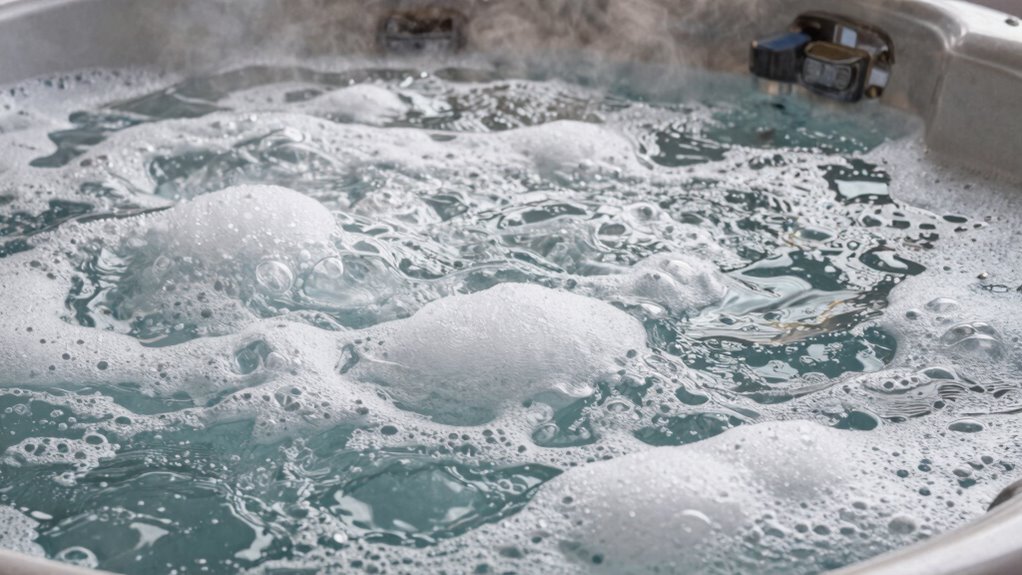
Foamy hot tub water usually indicates there are residues like oils, lotions, or dirt in the water, or your water chemistry is out of balance. It’s a normal sign that organic matter or improper maintenance might be causing foam, but it’s not typically harmful. To keep your hot tub clear and foam-free, you’ll want to check your pH, sanitize levels, and filter conditions. Learn more about what causes foam and how to fix it effectively.

Get pool and patio gear delivered free — and shop member deals
- Fast, free delivery on millions of items
- Access to Prime Big Deal Days deals on October 6–7
- Prime Video, Amazon Music and more included
Key Takeaways
- Foamy hot tub water usually indicates residues like oils, lotions, or detergents introduced into the water.
- Imbalanced pH or sanitizer levels can increase foam formation, signaling water chemistry issues.
- Poor filtration allows dirt and organic matter to accumulate, promoting persistent foaming.
- Foam is generally harmless but may suggest the need for water balancing or cleaning.
- Regular maintenance, proper chemical adjustments, and filtration help prevent and reduce foam buildup.
As an affiliate, we earn on qualifying purchases.
What Causes Foamy Hot Tub Water?
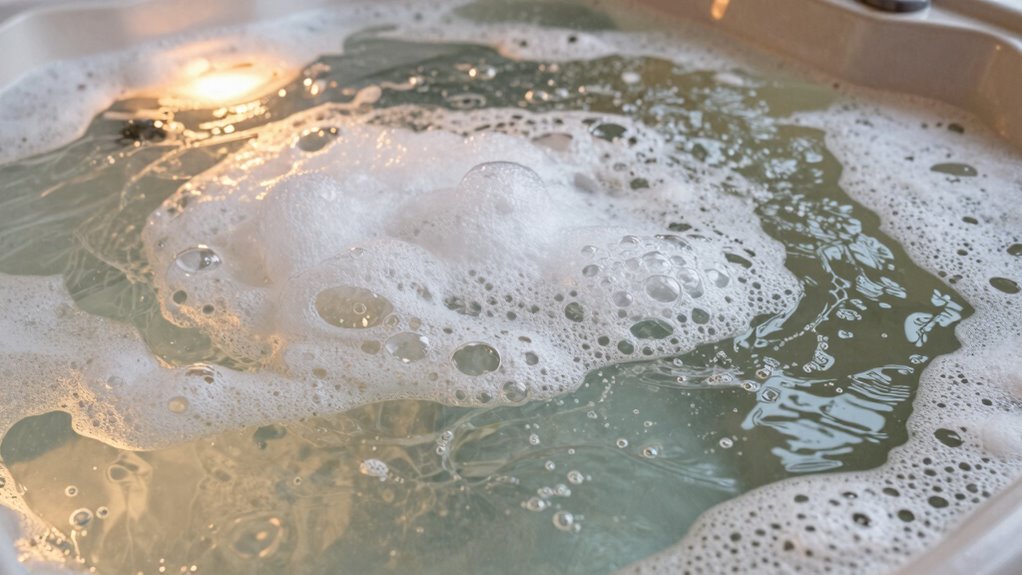
Foamy hot tub water often results from a combination of contaminants and chemicals that interact during use. A key factor is a chemical imbalance, which can disrupt the delicate balance of pH, alkalinity, and sanitizer levels. When these are off, it encourages foam formation. Water temperature also plays a role; higher temperatures increase chemical reactions, making foam more likely. If the water is too warm, oils, lotions, and organic debris from your skin or bath products can break down more quickly, contributing to foam buildup. Additionally, using insufficient or excessive sanitizer can upset the chemical balance, leading to foam. Maintaining proper water temperature and balancing chemicals helps prevent foam from forming and keeps your hot tub water clear and inviting. Proper chemical balance is essential for preventing foam and maintaining overall water quality. Regular testing and adjustment of water chemistry can further help minimize foam issues, especially when using appropriate water testing kits. Ensuring the use of foam-reducing agents can also be beneficial when foam persists despite proper chemical management.
Is Foam in Hot Tubs Harmful or Just Normal?
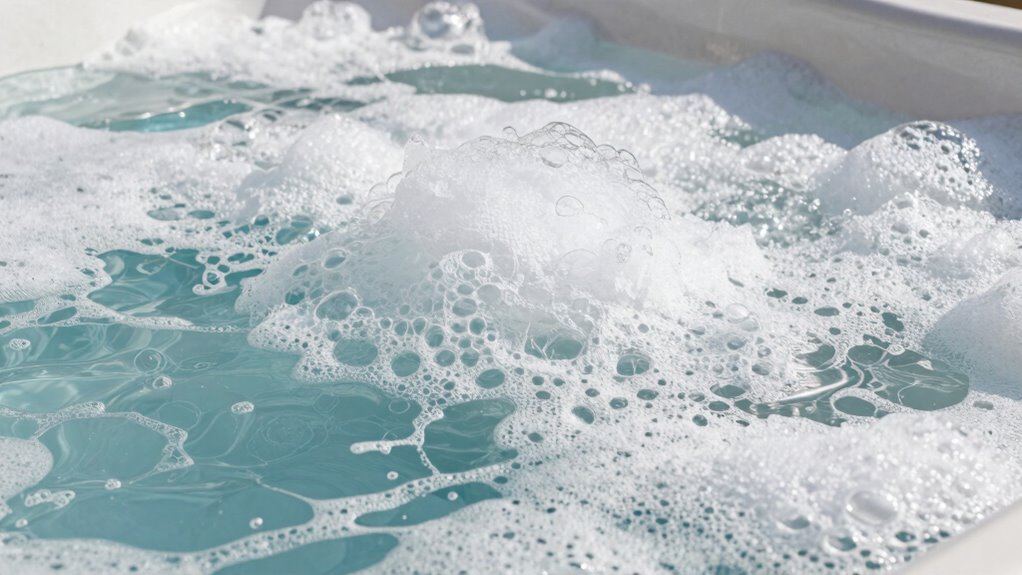
Many people wonder whether foam in hot tubs is harmful or just a normal occurrence. Foam formation causes are often misunderstood, but generally, foam isn’t harmful to your hot tub or your health. It’s mainly caused by natural skin oils, body lotions, or organic matter interacting with the water and surfactants. While foam can be unsightly, it doesn’t usually indicate a safety risk. However, persistent or excessive foam might signal poor water balance or contamination, which could impact hot tub safety. Regular maintenance, proper water chemistry, and cleaning help prevent problematic foam. In most cases, foam is just a normal part of hot tub use, not a sign of danger. Additionally, understanding the role of water chemistry in foam formation can help you better manage your hot tub’s condition. Proper water chemistry maintenance is essential to prevent excess foam and ensure a safe, enjoyable experience. Staying vigilant and monitoring water quality can further ensure your hot tub remains safe and enjoyable. Being aware of contaminants and their effects can also help you identify and address potential issues early.
How Detergents, Oils, and Body Products Contribute to Hot Tub Foam
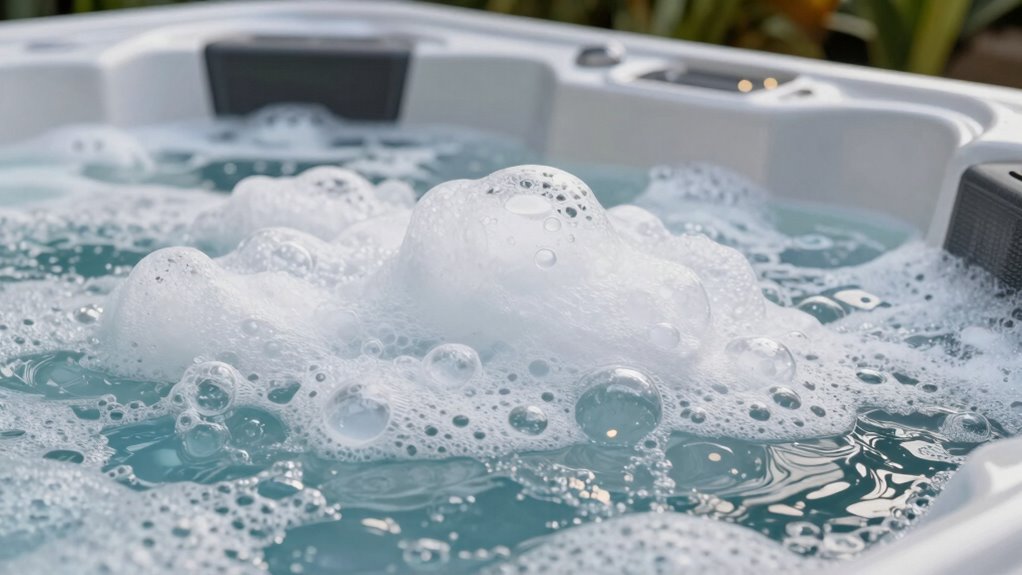
Everyday products like detergents, body oils, lotions, and shower gels can considerably contribute to foam in your hot tub. When you enter the tub with residual detergent on your skin or clothing, detergent residues can mix with the water, creating foam. Similarly, body oils from your skin or applied products can break down into smaller particles that interact with the water’s surface, promoting foam formation. These oils and residues reduce the water’s ability to break down surfactants naturally, leading to persistent foam. Additionally, the contrast ratio of your hot tub water can influence the appearance of foam, as lower contrast may make foam more noticeable. To minimize this, rinse off thoroughly before entering your hot tub, and avoid using lotions or oils that aren’t compatible with hot tub water. Using appropriate water treatments can also help control foam levels and maintain water clarity. Regular water testing and balance are essential to prevent issues caused by imbalanced water chemistry, which can exacerbate foaming problems. Maintaining proper water pH levels is crucial, as imbalanced pH can increase foaming and reduce sanitizer effectiveness. Proper filtration and circulation are also vital for removing foam-causing particles, helping to keep foam levels down. Keeping the water clean and free of excess oils and residues helps prevent excessive foaming.
How Water pH and Chemicals Make Your Hot Tub Foam

When the water pH level isn’t properly balanced, it can cause excessive foaming in your hot tub. A pH imbalance makes it easier for chemicals and oils to create foam. Chemical buildup from unbalanced water can also worsen the issue. Here’s how it happens:
- Incorrect pH levels reduce sanitizer effectiveness, allowing residues to accumulate.
- Low pH encourages chemical reactions that produce foam.
- High pH causes soap and body oils to bind, forming foam more readily.
- Excess chemicals, without proper balancing, create a film that traps bubbles.
- A properly maintained pH helps prevent the development of foam and supports overall hot tub health.
- Regular testing and proper chemical balancing are essential for maintaining clear, foam-free water.
- Using test strips regularly can help detect pH imbalances early and prevent foam formation.
- Understanding the effects of chemical imbalance can help you troubleshoot and maintain foam-free water more effectively.
- Maintaining correct water chemistry is crucial for overall hot tub performance and longevity.
Maintaining proper pH levels prevents chemical buildup and keeps foam at bay. Regular testing and balancing are key to avoiding foamy water and ensuring your hot tub stays inviting and clean.
How to Prevent Foam From Forming in Your Hot Tub
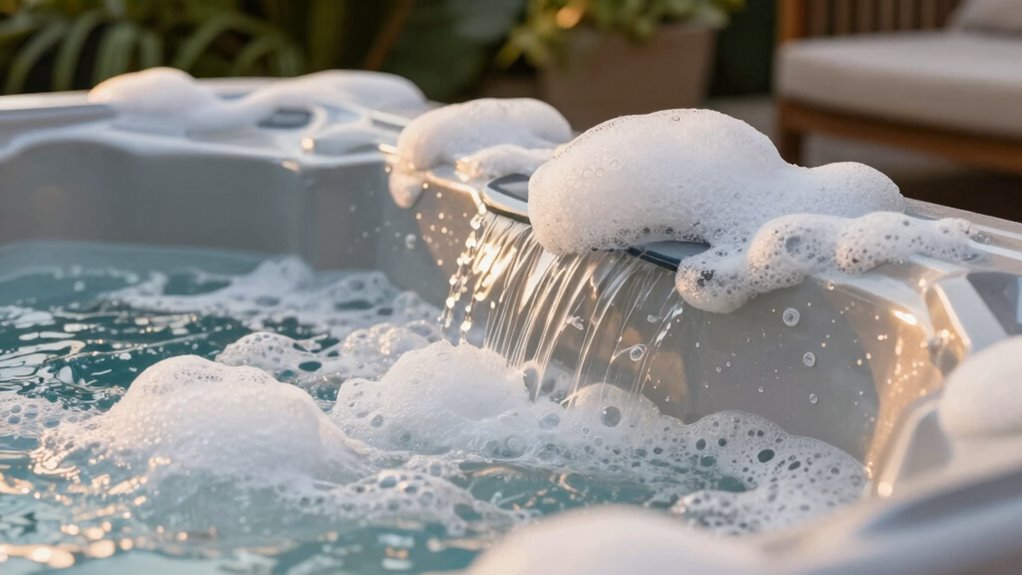
To prevent foam from forming in your hot tub, regular maintenance and proper water chemistry are essential. Keep your spa’s water balanced by regularly testing pH, alkalinity, and sanitizer levels, as imbalances can lead to excessive foaming. Adjust water temperature to recommended levels, since high temperatures can increase the likelihood of foam development and negatively impact spa aesthetics. Use a defoamer if foam appears, but don’t rely on it long-term—address underlying chemical issues instead. Shower before use to reduce oils and lotions that contribute to foam. Keep filters clean and replace them as needed to maintain water clarity and prevent buildup. Regularly inspecting your equipment and proper water testing can help identify issues early and prevent foam problems. Maintaining a clean environment and understanding indoor air quality can also contribute to overall spa health and reduce contaminants that cause foaming. Additionally, considering water additives designed to control foam can be beneficial when used appropriately. Using foam-reducing products that are compatible with your hot tub’s chemistry can help manage unexpected foam formation. Consistent care guarantees your hot tub remains inviting, visually appealing, and free from persistent foam problems.
Easy Tips for Cleaning and Maintaining Clear, Foam-Free Water
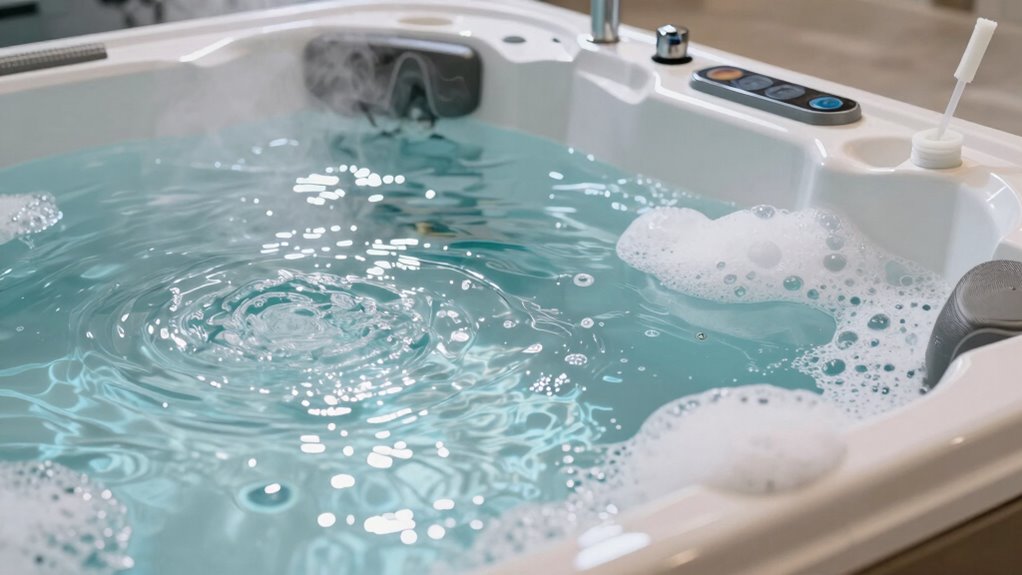
Regularly cleaning your hot tub’s filters is one of the easiest ways to keep the water clear and foam-free. Proper water filtration prevents debris and oils from causing foam buildup. To maintain ideal water quality, follow these tips:
- Clean filters every 1-2 weeks to ensure effective filtration.
- Check hot tub insulation for gaps or damage, which can affect temperature stability and water quality.
- Balance your water chemistry regularly, including pH and sanitizer levels, to prevent foam-causing imbalances.
- Drain and refill your hot tub every 3-4 months to dilute contaminants and refresh the water.
Consistent maintenance of water filtration and insulation helps keep your hot tub water crystal clear and foam-free, making your hot tub experience more enjoyable.
When Should You Use Defoamers and Other Treatments?
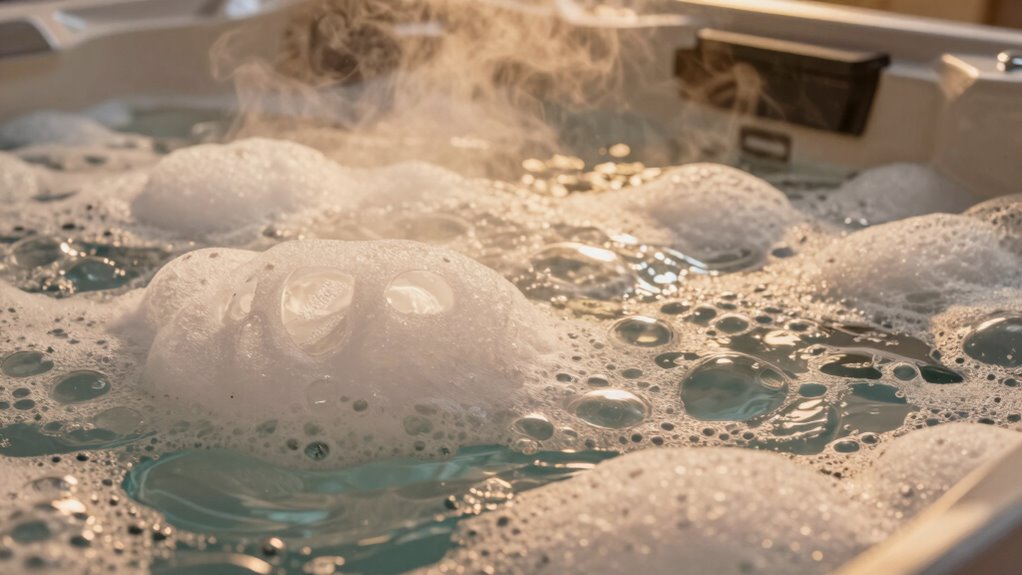
Foamy water can quickly become a nuisance, especially when standard filtration and chemical balancing don’t eliminate the foam. You should consider using a defoamer when foam persists despite regular filter maintenance and proper chemical levels. If your spa insulation isn’t effectively retaining heat, it can contribute to foam buildup by trapping residues that upset water chemistry. Defoamers are best used as a quick fix to reduce foam, but only after confirming your filter is clean and functioning properly. Avoid overusing chemical treatments or adding defoamers excessively, as this can lead to further issues. Regular filter maintenance helps prevent foam caused by dirt or oils. Use treatments sparingly and only when foam is persistent, ensuring your hot tub water stays clear and comfortable.
Tips to Keep Your Hot Tub Water Balanced and Free of Foam
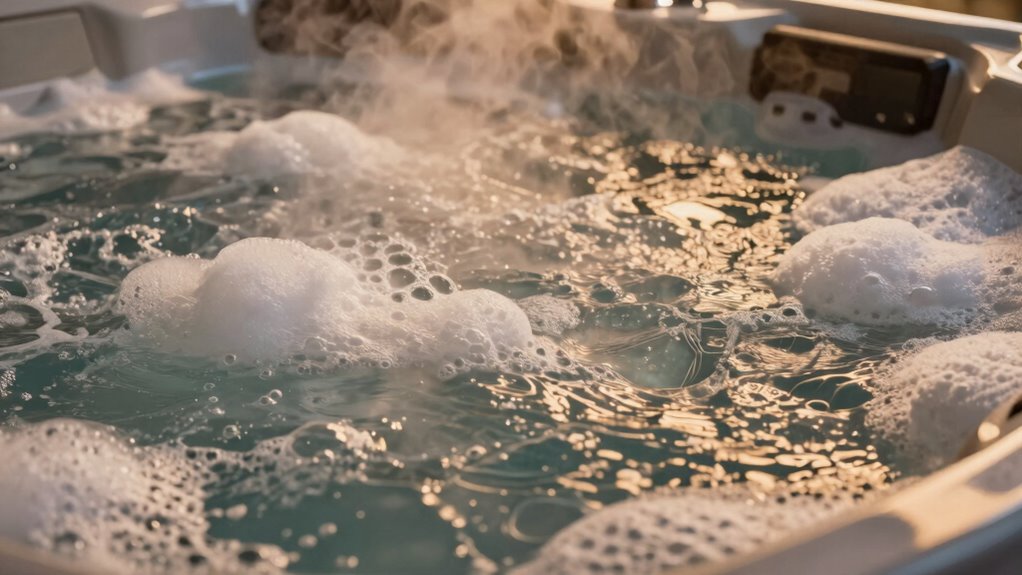
Keeping your hot tub water balanced and foam-free starts with maintaining proper water chemistry, so test and adjust your levels regularly. Shock the water to break down organic buildup that can cause foam and cloudy water. Additionally, using foam-reducing products can help keep your hot tub clear and inviting.
Maintain Proper Water Chemistry
Maintaining proper water chemistry is essential for preventing foam buildup in your hot tub. When your water is balanced, it reduces the chances of foam forming and keeps your spa maintenance simple. To achieve this, follow these steps:
- Regularly test your water using a reliable test kit to monitor pH, alkalinity, and sanitizer levels.
- Adjust chemicals promptly to keep levels within the recommended range.
- Use a water clarifier to help prevent foam-causing particles from remaining suspended.
- Keep your water sanitized with the right amount of chlorine or bromine, ensuring it’s effective without overdoing it.
Consistent water testing and adjustments are key to maintaining clean, foam-free water. Proper water chemistry not only prevents foam but also extends the life of your hot tub components.
Regularly Shock The Water
Regularly shocking your hot tub water is essential for breaking down organic contaminants and preventing foam buildup. When you shock the water, you boost the effectiveness of your hot tub filtration system, helping it remove oils, lotions, and other debris that can cause foam. Proper water circulation is key here; ensure your jets are running to evenly distribute the shock treatment throughout the tub. This process oxidizes organic matter, reducing the risk of foam and maintaining clear, balanced water. Regular shocks also keep sanitizer levels stable, preventing bacteria growth and musty odors. By sticking to a consistent shock schedule, you’ll enhance water clarity and minimize foam formation, making your hot tub experience more enjoyable and safer.
Use Foam-Reducing Products
After shocking your hot tub water, the next step is to use foam-reducing products to keep foam levels in check. These foam reducing products, or hot tub additives, quickly eliminate excess foam caused by oils, lotions, or detergents. To effectively manage foam, consider these steps:
- Add a recommended dose of foam-reducing product directly into the hot tub.
- Turn on the jets to help distribute the foam suppressor evenly.
- Wait 15-30 minutes to let the product work.
- Re-test the water and repeat if foam persists.
Using foam-reducing products regularly helps maintain clear, balanced water. Always follow the manufacturer’s instructions for safe, effective use, ensuring your hot tub remains inviting and foam-free.
Frequently Asked Questions
Can Foam Indicate Bacterial Growth in My Hot Tub?
Foam in your hot tub doesn’t necessarily mean bacterial growth, but it can indicate a chemical imbalance. When chemicals like pH or sanitizer levels are off, it affects water clarity and can cause foam to develop. While foam alone isn’t a direct sign of bacteria, it’s a good idea to test your water and adjust chemicals accordingly. Maintaining proper water chemistry helps prevent bacteria and keeps your hot tub safe and inviting.
How Often Should I Test Hot Tub Water for Foam-Causing Substances?
If you want your hot tub to stay pristine, test the water weekly for foam-causing substances. A chemical imbalance often leads to foam and compromised water clarity, turning your relaxing soak into a bubbly disaster. Regular testing helps catch issues early, keeping your hot tub inviting and crystal clear. Don’t wait for the foam to become a frothy spectacle—stay vigilant and maintain perfect water chemistry.
Are Certain Hot Tub Models More Prone to Foam Buildup?
Yes, some hot tub models are more prone to foam buildup because of their materials and design. Hot tubs with porous or certain plastic materials may trap oils and dirt, leading to foam. However, models with foam-resistant design and high-quality, non-porous materials help minimize foam formation. Regular maintenance, proper water balance, and using foam-reducing products also play vital roles in controlling foam regardless of your hot tub’s design.
Does Temperature Affect Foam Formation in Hot Tubs?
Temperature effects definitely influence foam formation in your hot tub. When the water’s too warm, it speeds up the chemical reactions that cause foam, making it more likely to build up. Conversely, cooler water can help reduce foam. To keep foam at bay, maintain the recommended temperature and avoid overusing soaps or oils. Regularly balancing chemicals also helps minimize foam caused by impurities and contaminants.
Can External Environmental Factors Cause Foam in Hot Tub Water?
Yes, external environmental factors can cause foam in your hot tub water. Environmental influences like dust, pollen, leaves, and debris can introduce contaminants that lead to foam buildup. Additionally, water composition plays a role—improper balancing or the presence of oils and lotions can contribute to foam formation. To prevent this, regularly clean your hot tub, filter the water, and maintain proper water chemistry, especially after exposure to external elements.
Conclusion
Foamy hot tub water is often a sign of imbalance or residual products rather than danger. While it’s tempting to see foam as a problem, it actually reflects your water’s health and cleanliness. Addressing the causes—like oils, detergents, or pH levels—restores clarity and comfort. Remember, sometimes foam is just a reminder to check your maintenance routines, ensuring your hot tub remains a relaxing, safe haven. Balance truly is the key to trouble-free soaking.
Fall Picks
fall essentials
As an affiliate, we earn on qualifying purchases.