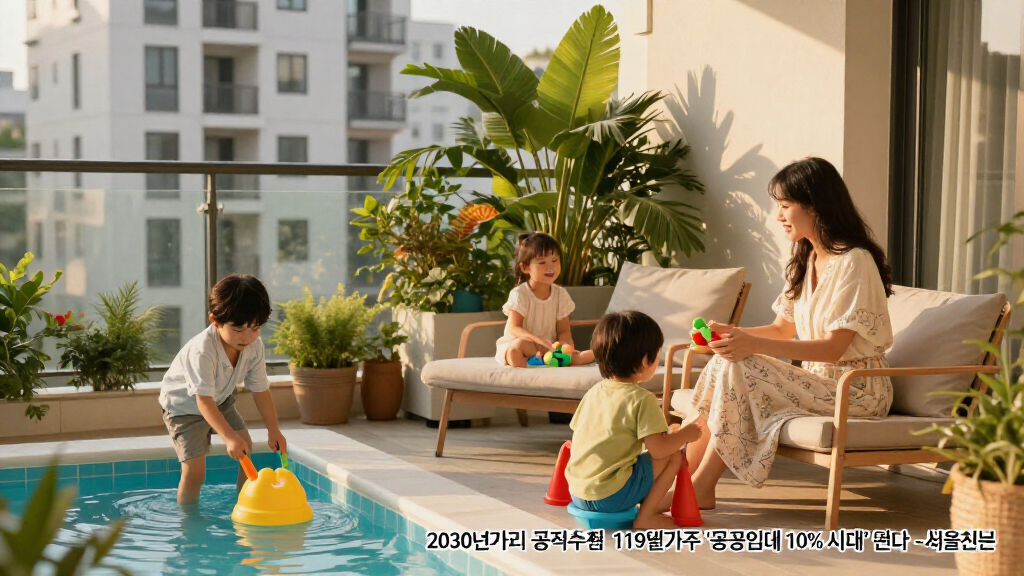

TL;DR

Get pool and patio gear delivered free with Prime
- Fast, free delivery on millions of items
- Prime Video, Amazon Music and more included
- Member-only deals all year
Seoul government commits to building 1.19 million public housing units by 2030. This initiative aims to significantly increase affordable rental options and reshape housing policy. Details on funding and implementation are still emerging.
Seoul city officials have announced a comprehensive plan to build 1.19 million public housing units by 2030, a move aimed at tackling the city’s housing shortage and increasing affordable rental options. This initiative, dubbed the start of the ‘Public Rental 10% Era,’ signals a major shift in housing policy designed to ensure that at least 10% of rental housing in Seoul is publicly managed. The plan is currently in the early stages of development, with detailed funding and implementation strategies still being finalized.
The Seoul Metropolitan Government revealed the ambitious target during a press conference held on April 2024. The plan involves constructing new public housing across various districts, including urban centers and suburban areas, to accommodate the growing population and reduce housing costs for low- and middle-income residents. Officials emphasized that the project aims to increase the share of publicly managed rental units from the current level to at least 10% of the total rental housing stock, which is a significant policy shift for the city.
While the exact funding mechanisms and timeline for each phase of construction are still under discussion, government sources indicate that the project will involve public-private partnerships and increased municipal investment. The initiative is part of broader efforts to address housing affordability, which has become a pressing issue amid rising property prices and limited supply. The government has also signaled that this plan will include measures to prevent speculation and ensure long-term affordability.
Local residents and housing advocates have largely welcomed the announcement, viewing it as a necessary step toward stabilizing the housing market. However, some experts caution that the success of the project will depend on effective implementation, adequate funding, and clear policies to prevent gentrification and displacement in vulnerable communities.
Implications of the ‘Public Rental 10% Era’ for Seoul’s Housing Market
This initiative represents a major policy shift aimed at fundamentally increasing the availability of affordable rental housing in Seoul. By committing to build 1.19 million units, the city aims to reduce reliance on private rental markets, curb soaring housing costs, and promote social stability. The move could serve as a model for other cities facing similar housing crises, especially in densely populated urban centers where land scarcity and high prices limit affordable options.
However, the success of this plan could reshape the city’s housing landscape, potentially influencing property values, neighborhood demographics, and development patterns. The emphasis on public rental units aligns with broader social goals of reducing inequality and ensuring housing security for lower-income residents. Still, questions remain about how effectively the city can execute this large-scale construction effort and whether it will be sufficient to meet rising demand.
public housing apartment furniture
As an affiliate, we earn on qualifying purchases.
As an affiliate, we earn on qualifying purchases.
Background and Policy Shift Toward Public Housing in Seoul
Seoul has faced persistent housing affordability issues over the past decade, driven by rapid urbanization, limited land availability, and soaring property prices. The city’s housing policies have historically focused on deregulation and incentivizing private development, with limited emphasis on public rental options. In recent years, however, public concern over housing insecurity has grown, prompting policymakers to consider more direct interventions.
The concept of increasing public rental housing was discussed in policy circles for several years, but concrete targets and strategies remained unclear. The current announcement marks the first official and large-scale commitment to significantly expand public housing stock, signaling a potential paradigm shift in Seoul’s approach to urban housing management. This move aligns with similar initiatives in other major Asian cities, where governments are seeking to balance market forces with social needs.
Prior to this, Seoul’s public rental units accounted for a relatively small share of the overall housing market, limiting options for low-income residents and increasing reliance on private landlords. The new plan aims to change that dynamic by establishing a clear goal and timeline for substantial growth.
Funding, Implementation Details, and Potential Challenges
While the announcement sets a clear target, many details remain unresolved. It is not yet confirmed how the project will be funded, whether through increased municipal budgets, national subsidies, or private partnerships. The timeline for construction phases and specific locations are also still under development. Additionally, experts question whether the city can scale up construction quickly enough to meet the 2030 deadline and whether the projects will effectively prevent displacement or gentrification in key neighborhoods.
Furthermore, the impact on existing housing markets and private rental prices remains uncertain. Critics warn that if not carefully managed, the initiative could inadvertently lead to increased property speculation or uneven development.
Next Steps in Policy Development and Construction Planning
The Seoul government is expected to release detailed implementation plans and funding strategies in the coming months. Construction is anticipated to begin in phases starting later this year, with the first units completed by 2025. Public consultations and stakeholder engagement will likely shape specific site selections and policies to prevent displacement. Monitoring and evaluation mechanisms are also expected to be established to assess progress and address emerging issues during the project’s rollout.
Officials have indicated that they will prioritize high-need areas and aim for a balanced distribution of public housing across Seoul’s districts. The success of the initiative will depend on timely execution, adequate funding, and effective policy management to ensure the goal of 1.19 million units by 2030 is met.
Key Questions
How many public housing units will Seoul build by 2030?
Seoul plans to build 1.19 million public housing units by 2030 as part of a major policy shift toward increasing affordable rental options.
What is the ‘Public Rental 10% Era’?
The ‘Public Rental 10% Era’ refers to Seoul’s goal of ensuring that at least 10% of the city’s rental housing stock is publicly managed, aiming to improve affordability and stability for residents.
How will the project be funded?
The specific funding sources are still being finalized but are expected to include a combination of municipal budgets, national subsidies, and public-private partnerships.
When will construction start?
Construction is expected to begin later this year, with phased development leading up to the 2030 deadline.
Will existing residents be displaced?
Officials have stated that measures will be in place to prevent displacement, but details on how this will be managed are still under development.
Source: local
Halloween Picks
halloween
As an affiliate, we earn on qualifying purchases.