
TL;DR
Inflatable pool floats support relaxation and play but are not safety devices. Choose the right type, inspect regularly, follow safety tips, and store carefully to get the most out of your float.
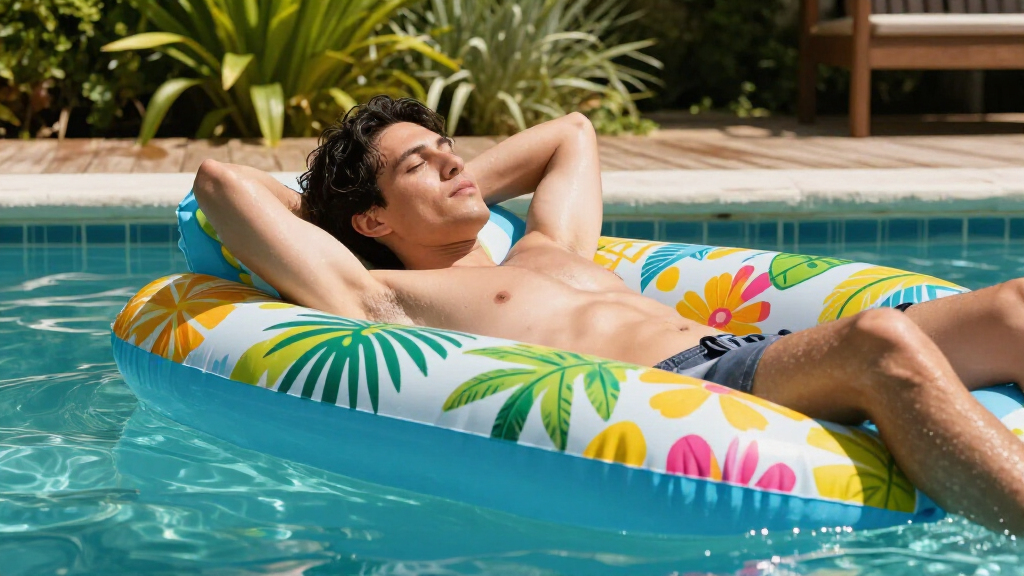
Imagine drifting lazily on a giant, colorful float as the sun warms your skin and the water laps softly around you. Inflatable pool floats aren’t just fun—they’re a staple of summer leisure, turning ordinary pools into floating playgrounds or relaxing retreats. But behind the vibrant colors and playful shapes lies a world of safety considerations, material choices, and trends you should know about.
Whether you’re a seasoned pool lounger or new to the water, understanding the ins and outs of inflatable floats helps you maximize fun and minimize risks. This guide covers everything from different float types and their best uses to care tips, safety advice, and the latest market trends. Ready to float smarter?
Choose floats suited for your activity—loungers for relaxing, animal shapes for fun, and linked floats for social play.
Inspect your float before each use, especially seams and valves, to prevent leaks and accidents.
Use floats with supervision—kids and non-swimmers need life jackets and constant adult oversight.
Proper cleaning, storage, and quick repairs extend your float’s life and keep it looking vibrant.
Stay updated on market trends—new designs and eco-friendly options can elevate your pool fun while respecting the environment.
What Types of Inflatable Pool Floats Are Actually Useful?
Inflatable pool floats come in a dazzling array of shapes and sizes, each designed for a specific kind of fun or relaxation. From classic rings to elaborate animal shapes, knowing what’s available helps you pick the right float for your water adventure.
The most common types include:
- Loungers: Wide, flat surfaces perfect for drifting and sunbathing. Think of a floating bed with headrests—great for relaxing solo or with a buddy.
- Rings: The traditional donut-shaped float. Ideal for kids and casual fun, but also used by adults for gentle play or floating in shallow water.
- Mattresses: Larger, more stable floats that support full-body lounging, often with built-in cup holders and pillows. Perfect for lazy afternoons.
- Animal-shaped floats: Bright, playful designs like flamingos, unicorns, or swans. These add a whimsical touch and are popular among kids and Instagram fans alike.
- Floating chairs and stools: Provide a semi-sitting position, making them perfect for socializing or reading by the poolside.
Understanding the purpose of each float type helps ensure you select the right one for your activity, whether it’s relaxing in solitude or hosting a pool party. Choosing a float that aligns with your needs enhances comfort and safety—an oversized lounger might be perfect for a long sunbath, but less stable for active play. Conversely, animal floats are fun but often less sturdy, so they’re best for gentle lounging. Consider your priorities and environment to strike the right balance between fun and safety.
As an affiliate, we earn on qualifying purchases.
How to Pick a Safe, Long-Lasting Float That Won’t Deflate Mid-Summer
Choosing the right inflatable float involves more than just aesthetics—it’s about ensuring safety, durability, and long-term enjoyment. The materials used, construction quality, and design features directly impact how well your float performs and how safe it is during use. For instance, a float made from thicker, high-quality vinyl or PVC isn’t just more resistant to punctures; it also tends to age better, resisting UV damage and wear over time. This means you can enjoy your float for multiple seasons, making it a smarter investment.
Design features such as multiple air chambers provide a safety net—if one chamber deflates, others keep the float afloat. However, relying solely on this feature can be risky if the float has other vulnerabilities. Reinforced seams and high-quality valves are critical—they prevent leaks that can suddenly turn your relaxing day into a scramble for safety. Proper size and weight capacity are equally important; overloading a float can cause stress on seams or even punctures, compromising safety and longevity. Matching the float to your body size and weight ensures stability and reduces the risk of accidents.
Regular inspection is essential. Leaks, tears, or worn spots may seem minor but can rapidly escalate into safety hazards. Using the recommended pump and not over-inflating prevents unnecessary stress on seams. When storing, ensure the float is clean and dry, stored in a cool, shaded area away from sharp objects and direct sunlight that can weaken the material. Deflating slightly during storage relieves stress on seams caused by temperature fluctuations, extending the float’s lifespan. Remember, routine checks and gentle handling are investments in safety and durability, allowing you to enjoy your float season after season without unexpected failures.
What Are the Latest Trends in Inflatable Pool Floats?
The market’s evolving fast, blending style, comfort, and eco-awareness. Today’s hottest trends include giant, oversized loungers that can accommodate two or more people—imagine a floating sofa with plush pillows and built-in cup holders. These are perfect for relaxing with friends while soaking up the sun.
Design-wise, brands now focus on:
- Elaborate shapes: Floats shaped like animals, food items (pizza slices, donuts), or even emojis are all the rage. These designs aren’t just playful—they often incorporate ergonomic features, making lounging more comfortable and adding visual appeal that enhances social media sharing.
- Linked floats: Multiple floats that connect, creating floating islands or play zones. This trend allows for customizable setups where friends can cluster together, fostering social interactions while floating. It’s like creating your own mini water park at home.
- Recycled and sustainable materials: Some brands promote floats made from recycled plastics or eco-friendly fabrics, aligning fun with environmental responsibility. This shift reflects a growing consumer desire to enjoy summer responsibly without compromising the planet.
Functionality is also key—built-in cup holders, headrests, and even waterproof pockets for phones are making floats more comfortable and social. These features turn simple floats into versatile outdoor lounges that can host a variety of activities, from relaxing with a drink to listening to music on waterproof speakers. The trend towards eco-conscious and multi-functional floats underscores a shift toward more sustainable, user-friendly water accessories that enhance overall water experience.
Safety First: How to Use Inflatable Pool Floats Without Risks
Inflatable pool floats look inviting, but safety is non-negotiable. They aren’t life-saving devices. Always treat floats as fun accessories, not safety gear. The most important rule? Keep a close eye on children and non-swimmers.
Here are some must-follow safety tips:
- Supervise constantly: Never leave children or weak swimmers alone with a float nearby. Even a small slip can turn dangerous fast. Constant supervision isn’t just about watching; it’s about being attentive to changing conditions, such as water currents or fatigue.
- Use life jackets: For kids or non-swimmers, floaties and properly fitted life jackets are the real safety heroes. Relying solely on a float for safety can be misleading, as many floats are unstable or can tip unexpectedly, especially if the user shifts position or if the float deflates.
- Stay in shallow water: Avoid letting floats drift into deep water where rescue becomes more difficult. If a float is in deeper water, even a good swimmer can become fatigued or panicked, increasing risk.
- Check for damage: Regularly inspect your float for leaks or tears. A deflated or damaged float can cause accidents, especially if it unexpectedly deflates when someone is on it.
- Follow manufacturer instructions: Use only as directed, and don’t overload or modify your float with accessories that could compromise stability. Misuse can lead to tipping or punctures, turning a fun float into a hazard.
For example, at a summer pool party, a parent might think a bright unicorn float is safe for kids to play on. But if the child slips off or the float deflates unexpectedly, it’s the adult’s quick eye and preparedness that keep everyone safe. Never underestimate the power of supervision and proper use—these are your best tools to prevent accidents and ensure everyone enjoys water fun without incident.
How to Keep Your Inflatable Float Looking Fresh and Lasting for Many Summers
Inflatable floats are surprisingly resilient if cared for properly. Regular maintenance extends their lifespan and keeps them looking bright and inviting. The key steps? Clean, dry, and store them carefully.
Here’s a simple routine:
- Rinse off chlorine, salt, and dirt after each use with fresh water. This prevents material degradation caused by corrosive elements.
- Dry the float completely—moisture can weaken seams and promote mold growth, which accelerates deterioration and can cause leaks.
- Store in a cool, shaded spot away from sharp objects and direct sunlight, which can cause material degradation and fading. UV exposure, in particular, accelerates aging, so a shaded garage or shed is ideal.
- Deflate slightly during storage if possible, to prevent stress on seams from temperature fluctuations and to reduce the risk of punctures caused by expansion or contraction.
- Check periodically for leaks, tears, or worn spots. Repair early with recommended patches or kits to prevent small issues from becoming bigger problems that could render the float unusable.
For instance, one summer, a family kept their flamingo float for three seasons because they rinsed it after every pool day, stored it in a shaded garage, and patched small leaks immediately. Proper care not only prolongs the life of the float but also ensures safety and maintains its aesthetic appeal, making it a reliable part of your summer routine for years to come.
Frequently Asked Questions
Are inflatable pool floats safe for children?
Inflatable floats can be used for fun with close supervision, but they are not safety devices. Always choose floats appropriate for the child’s age and size, and pair them with a properly fitted life jacket when safety is a concern. Never leave children unattended near water, even with a float.
Can a pool float replace a life jacket?
No. Recreational floats are designed for lounging and play, not for safety. Always use a certified personal flotation device (PFD) or life jacket when safety is a priority, especially in deeper water or with non-swimmers.
How often should I replace my inflatable float?
Replace your float if you notice persistent leaks, tears, or significant fading. Regularly inspecting for damage and properly maintaining your float can extend its life, but no float lasts forever. Most last around 2-4 seasons with good care.
What’s the best way to repair a leak?
Inflate the float slightly, then spray a soapy-water solution around seams and valves. Bubbles indicate leaks. Use a repair kit designed for your float’s material and follow the instructions carefully. Avoid using damaged or heavily worn floats for safety reasons.
Are inflatable floats environmentally friendly?
Most floats are made from non-recyclable plastics, but some brands now offer floats made from recycled or eco-friendly materials. Always check with the manufacturer about recycling options or reuse your float for as long as possible to reduce waste.
Conclusion
Inflatable pool floats are more than just colorful accessories—they’re tools for creating memorable water experiences. But they demand respect, regular care, and safety awareness. With the right choices and a little TLC, your floats will be ready to turn every swim into a safe, stylish escape.
Next time you toss one into the pool, remember: it’s about fun, yes, but also smart use. Float with confidence, knowing you’re making the most of your summer days—safely and in style.