TL;DR

Get pool and patio gear delivered free with Prime
- Fast, free delivery on millions of items
- Prime Video, Amazon Music and more included
- Member-only deals all year
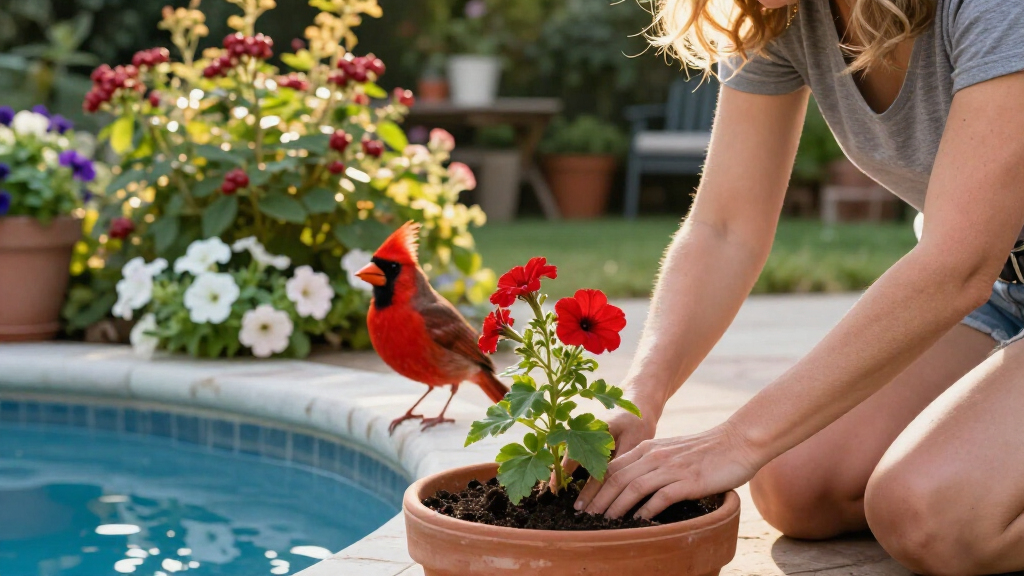
A Gardening Know How report recommends hawthorn, crabapple and dogwood as plants that can make gardens more inviting to cardinals by providing fruit, shelter and perching places. Planting them may support visits, but it does not guarantee more cardinals; regionally suited native plants, water and dense vegetation can also help.
A Gardening Know How report recommends planting hawthorn, crabapple and dogwood to make gardens more appealing to cardinals, offering berries or other fruit as well as branches for shelter and perching. The advice describes ways to support visiting birds, not a guarantee that planting these trees will increase cardinal numbers in any particular yard.
Hawthorn produces small fruits, often called haws, that may remain useful to birds into cooler months, depending on the species. The report also points to hawthorn flowers as a source of insects and its dense, sometimes thorny branches as cover. Gardeners should select a species suited to their local conditions and available space; the report says native varieties are worth considering for their wildlife value.
Crabapple offers spring blossoms followed by small fruits. Some varieties keep fruit on their branches after their leaves fall, potentially providing food in fall and winter when other sources are less available. The branches also give birds places to perch. Dogwood, meanwhile, can produce berries eaten by cardinals and other fruit-eating birds. The report cites Cornell Lab of Ornithology as listing dogwood among fruits cardinals eat; dogwoods vary in size and can be trees or shrubs.
The article says planting is only part of a bird-friendly garden. It recommends dense vegetation for shelter and nesting opportunities, a reliable water source and a varied supply of food across seasons. It also advises choosing plants native to the region and avoiding pesticides wherever possible. The report does not provide data measuring how much any of these steps changes cardinal visits.
Food and Cover Through the Seasons
The suggestions matter to gardeners because they focus on more than attracting birds with a feeder: fruit, insects and protective vegetation can support different needs at different times of year. Crabapple fruit that persists into colder months and hawthorn fruit available later in the season may extend food options, while dense branches offer cover. Plant choice can shape habitat, but outcomes will depend on the plant variety, local conditions and what else the yard provides.
These recommendations may also be useful to people planning a wildlife-friendly garden. A mix of regionally appropriate plants can provide seasonal resources for more than cardinals. The source report, however, does not compare the three plants or establish that one is more effective than another at bringing cardinals to a yard.
As an affiliate, we earn on qualifying purchases.
Why These Three Plants Were Selected
The source report describes cardinals as year-round residents across much of the eastern and central United States and says they eat a varied diet that includes seeds, fruit and insects. It presents hawthorn, crabapple and dogwood as options because they can combine food with branches or vegetation that offer shelter and perching places.
The article names particular nursery offerings, including an Indian hawthorn, a weeping crabapple and a white flowering dogwood, but its broader advice is to choose plants suited to local conditions. Those product examples are not evidence that the named cultivars outperform native or other locally appropriate varieties for wildlife. The report gives no planting trials or measured results.
“Think beyond bird feeders and give cardinals more of what they naturally need: food, shelter, and places to nest.”
— Gardening Know How report
What Planting Can and Cannot Promise
The report offers gardening guidance, not a controlled study of cardinal attraction. It does not quantify whether hawthorn, crabapple or dogwood leads to more visits, specify how many plants a garden needs, or establish which species works best in different regions. More cardinals are not guaranteed; local bird populations, habitat, weather and other food sources may affect whether birds visit.
The source also does not provide a publication date or detailed growing requirements for each plant. Species and cultivars can differ in mature size, fruiting and suitability, so readers should check local growing guidance before choosing what to plant.
Choosing Plants for Your Region
For gardeners considering the recommendations, the practical next step is to check which hawthorn, crabapple and dogwood species suit their climate, soil and available space. Native varieties appropriate to the region are the report’s preferred wildlife-conscious option. A planting plan can also include dense shrubs, water and food sources available across seasons.
The source provides no announced follow-up study or later milestone. Whether a particular garden attracts more cardinals will depend on its conditions and the birds in the area; the report’s advice should be understood as habitat guidance rather than a promised result.
Key Questions
Which three plants does the report recommend for cardinals?
It recommends hawthorn, crabapple and dogwood, which can provide fruit, cover or places for birds to perch.
Will planting these trees guarantee more cardinals?
No. The report gives gardening advice but does not provide measurements or evidence that these plants guarantee more visits. Local habitat and bird populations can affect results.
Do cardinals eat dogwood berries?
The report says cardinals eat dogwood fruit and attributes that point to the Cornell Lab of Ornithology. It does not give further details about which dogwood species or berries are preferred.
What else can make a garden more welcoming to cardinals?
The report recommends dense vegetation for cover and nesting opportunities, a reliable water source and food available across seasons. It also advises using regionally suitable native plants and avoiding pesticides where possible.
Source: rss
Halloween Picks
halloween
As an affiliate, we earn on qualifying purchases.