
TL;DR

Get pool and patio gear delivered free with Prime
- Fast, free delivery on millions of items
- Prime Video, Amazon Music and more included
- Member-only deals all year
Many gardeners notice their tomato plants bloom with flowers but fail to set fruit. This article explains the causes, confirms effective remedies, and offers tips to maximize your harvest before the season ends.
Many tomato growers are observing their plants produce flowers without setting fruit, a common issue as the season progresses. This phenomenon can be caused by environmental stresses, improper watering, or temperature fluctuations, and it matters because it directly impacts harvest yields. Experts confirm that understanding the causes and applying targeted solutions can help improve fruit production before the growing season ends.
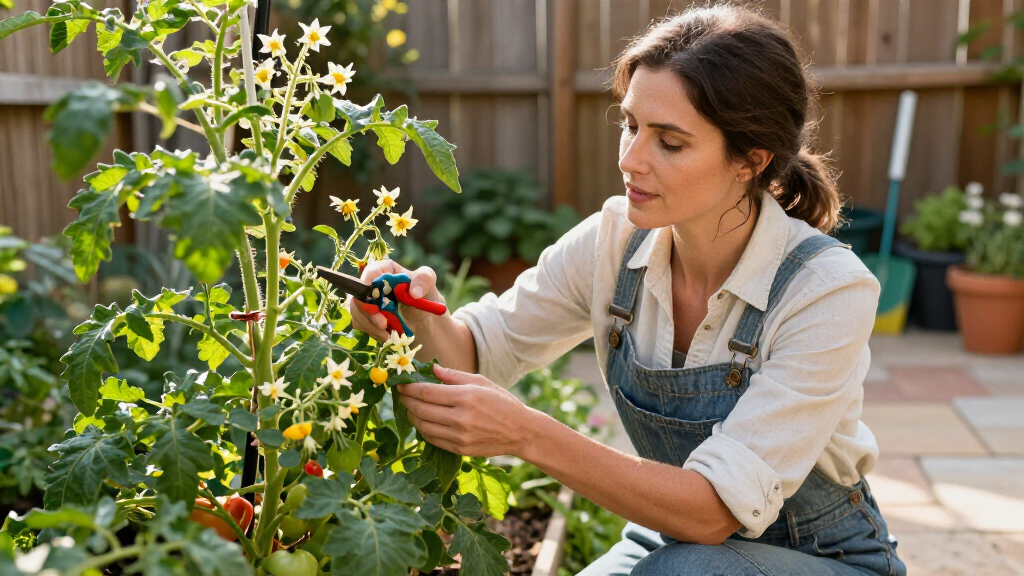
Tomato plants naturally produce flowers as part of their reproductive cycle, but under certain conditions, these flowers do not develop into fruit. According to horticulturists, factors such as high temperatures, inconsistent watering, and low pollination rates are primary culprits. For example, temperatures above 85°F during the day or 70°F at night can inhibit fruit set, even if flowers are abundant. Additionally, drought stress or overwatering can cause plants to drop flowers or fail to develop fruit, as can insufficient pollination caused by a lack of pollinators or poor airflow. Gardeners are advised to monitor environmental conditions closely and adjust watering routines accordingly. Some practical measures include watering deeply and consistently, providing shade during peak heat, and encouraging pollination through gentle shaking of plants or introducing pollinators like bees.Experts suggest that gardeners also check for signs of pests or diseases that may weaken the plant’s ability to produce fruit. If environmental conditions are optimal but flowers still do not set fruit, it may be necessary to hand-pollinate or use a small brush to transfer pollen between flowers. These steps can increase the chances of successful fruit development, especially in greenhouse or enclosed garden settings.
Why Tomato Flowering Issues Affect Your Harvest
This issue directly impacts tomato yields, which is especially critical for gardeners relying on their own produce or small-scale farmers nearing the end of their growing season. Understanding and addressing the causes of flower drop and lack of fruit set can help maximize harvests and reduce waste. Moreover, recognizing environmental factors that hinder fruiting can inform future planting strategies, such as selecting heat-tolerant varieties or adjusting planting times to avoid peak heat periods.
As an affiliate, we earn on qualifying purchases.
Environmental and Seasonal Factors Influencing Tomato Fruit Set
Tomatoes are sensitive to environmental conditions, with temperature, humidity, and watering practices playing significant roles in fruit development. Historically, high daytime temperatures and sudden temperature swings have caused fruit set problems. During the current growing season, many gardeners have reported unusual heat spells and inconsistent rainfall, which exacerbate these issues. Additionally, the decline of natural pollinators in some areas can contribute to poor pollination. Prior to this season, experts advised gardeners to monitor weather forecasts and adjust their practices accordingly, but ongoing weather fluctuations have made it challenging to maintain ideal conditions. This context underscores the importance of proactive management and adaptive techniques to improve fruiting success.
“High temperatures during flowering are a leading cause of poor fruit set in tomatoes. Gardeners should take steps to shade plants during peak heat and maintain consistent watering.”
— Dr. Lisa Green, horticulturist at the University of California
Unresolved Causes and Effectiveness of Remedies
While environmental factors are confirmed contributors, it is still unclear how different tomato varieties respond to specific interventions like shading or hand-pollination. The effectiveness of certain remedies may vary based on local conditions and plant health. Additionally, the long-term impact of these measures on overall plant productivity has not been fully studied, and some gardeners report mixed results. More research is needed to establish definitive best practices for different climates and growing setups.
Next Steps for Gardeners and Researchers
Gardeners should continue to monitor weather conditions and adjust their practices accordingly, such as providing shade and consistent watering. Trying hand-pollination techniques can also help boost fruit set in problematic plants. Meanwhile, researchers are investigating the genetic and environmental factors influencing pollination success, aiming to develop more resilient tomato varieties. As the season progresses, gardeners are encouraged to share their experiences and adapt based on their local conditions, while scientists work to refine recommendations based on ongoing studies.
Key Questions
Why are my tomato plants flowering but not producing fruit?
This is often caused by environmental stresses such as high temperatures, inconsistent watering, or poor pollination. These factors prevent flowers from developing into fruit.
How can I improve fruit set on my tomato plants?
Maintain consistent watering, provide shade during hot periods, encourage pollination by shaking plants gently or introducing pollinators, and consider hand-pollination if needed.
Is it too late to fix the problem in my current season?
Many remedies can still improve fruiting before the season ends, especially if environmental conditions are managed effectively now. However, the success may vary depending on timing and local climate.
Should I change my tomato variety for next season?
Choosing heat-tolerant or early-maturing varieties can help reduce flowering and fruiting issues in future seasons, especially in hot climates.
Are pests or diseases contributing to the lack of fruit?
While pests and diseases can weaken plants, the primary causes of flowering without fruit are environmental. Nonetheless, regular inspection and pest control are recommended to maintain plant health.
Source: rss
Halloween Picks
halloween
As an affiliate, we earn on qualifying purchases.