
TL;DR

Get pool and patio gear delivered free with Prime
- Fast, free delivery on millions of items
- Prime Video, Amazon Music and more included
- Member-only deals all year
Planet Natural’s report explains that fall can be a practical time to test vegetable-garden soil because beds are accessible after harvest and results may arrive before spring planting. The report advises sampling representative beds separately and waiting for lab recommendations before adding amendments; routine fertility tests may not identify contaminants.
A Planet Natural report says fall can be a convenient time for gardeners to test vegetable-bed soil, giving them a chance to obtain lab results and plan spring amendments after crops are cleared. Its central advice is to take a representative sample and wait for the results before applying fertilizer, lime, sulfur or other products, rather than treating fall as an automatic time to add them.
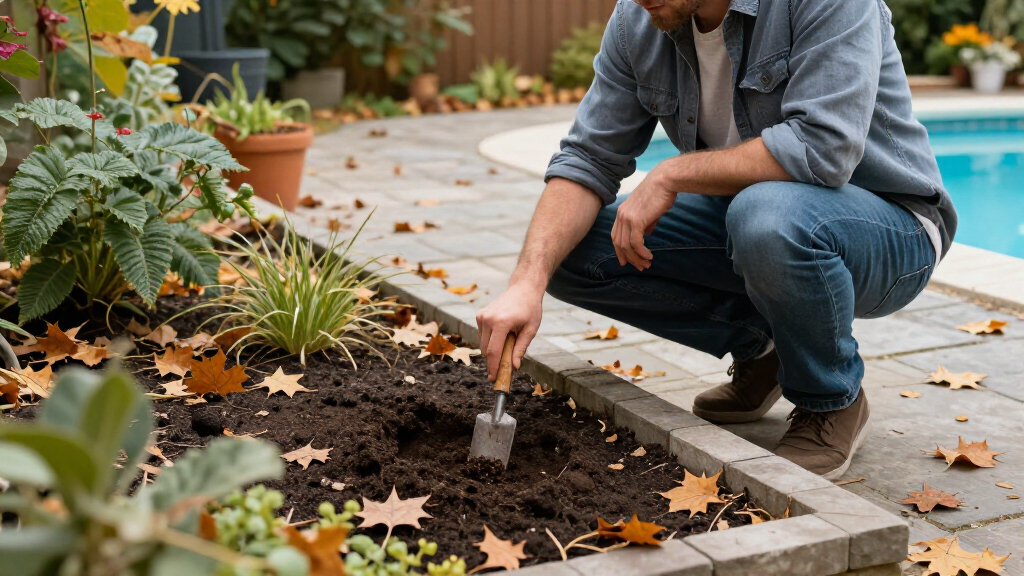
After harvest, beds are often easier to reach and sample, and a report may arrive before the next planting season. The timing is useful, the report says, but the test’s value depends on matching the sample to the bed that will be planted. Soil from a raised bed should not be mixed with nearby paths, and beds with different growing or amendment histories should generally be sampled separately.
The report recommends checking the testing lab’s instructions first because requested sampling depth, packaging and information can vary. For a typical annual vegetable bed, it describes taking several small samples across the growing area at a consistent depth, combining them in a clean container and mixing them. Gardeners should avoid unusual spots such as a fertilizer spill or compost-pile edge, and should not sample immediately after adding a material they want the test to assess.
A standard soil test may report pH, organic matter, texture estimates and certain nutrient levels, with recommendations based on the intended crop or garden use. The exact tests and interpretation vary by lab. The report says gardeners should record which bed was tested, the sampling date and the crop use entered on the form, then keep the results with a simple bed map. A result can guide decisions, but it is not a reason to buy every product mentioned in general gardening advice.
Better Spring Decisions Start in Fall
Testing before spring can give gardeners time to understand what a particular bed may need and plan work around planting dates. That can help avoid spending money on nutrients already present or applying an amendment at a rate that does not suit the soil. The report’s practical point is to let the lab result guide the plan, rather than treating seasonal habits or product availability as evidence that an amendment is needed.
Some recommended changes, including certain pH adjustments, may need time before planting. Once results arrive, gardeners can sort tasks into actions supported by the report and local advice, work to plan before spring, and questions that need more information. This approach keeps decisions tied to specific beds and test results instead of applying one treatment across a garden with varied soil conditions.
Products Worth Considering

Ring Alarm 14-Piece Wireless Security System Kit

LEVOIT Vital 200S-P Smart Air Purifier for Large Rooms

Google Nest Cam Indoor (Wired, 3rd Gen) – Security Camera – Snow
As an affiliate, we earn on qualifying purchases.
Sampling a Bed That Represents the Garden
The report advises choosing a bed with a reasonably consistent history of crops, irrigation and amendments. If one area has a recurring unexplained problem, it may warrant its own sample rather than being blended into a larger composite. Surface residue, weeds, mulch and loose debris should be cleared before sampling, and clean tools and containers help avoid contamination of the sample.
After collection, subsamples can be combined, clods broken up, and stones and roots removed before the soil is mixed. If it is very wet, the lab’s instructions should determine whether and how it is air-dried. The report also cautions that results from different labs may not be directly comparable, so readers should follow the units and interpretation on the report they receive.
A routine fertility panel may not answer concerns about lead, other metals or soluble salts. For gardens near potential contamination sources—such as older painted structures, busy roads, or treated lumber of uncertain origin—the report recommends asking a lab or local Extension office which purpose-specific test is appropriate. Such concerns should be handled separately from ordinary fertilizer planning.
What a Routine Test Cannot Establish
The supplied report does not give a publication date, identify a particular lab or provide region-specific sampling depths, amendment rates or turnaround times. Those details can differ, so gardeners should use the instructions from the lab they select and seek local guidance before acting on recommendations that are unclear or outside ordinary garden advice.
A routine test also does not necessarily assess every possible soil concern. Whether it includes optional checks, such as soluble salts or contaminants, depends on the test panel. The report does not establish that fall is the best season in every climate or for every lab; it presents fall as a convenient planning window when conditions and local procedures allow.
Use Results to Plan Spring Work
After sending a sample, gardeners can wait for the lab report and keep the bed’s identity and sampling date with their records. When results arrive, they can check the recommendations against the intended crop and local guidance, then make a short, bed-specific spring task list. The report advises against using fertilizer, lime, sulfur, manure or concentrated micronutrients as a placeholder while results are pending.
If the report points to an adjustment, gardeners can plan the materials, measure the bed and fit the work around crop rotation and planting dates. If results raise a contamination question or fall outside ordinary recommendations, the next step is to contact the lab or a local Extension office rather than improvising a treatment.
Key Questions
Why test garden soil in fall?
After harvest, beds may be easier to access, and results can give gardeners time to plan possible spring soil changes. The source presents fall as a convenient time, not a universal rule for every region or test.
Should I add fertilizer before the soil test results arrive?
The report advises waiting. Adding fertilizer or another amendment before testing can obscure the soil’s starting condition and may add nutrients the bed does not need. Follow the lab’s results and suitable local guidance.
Can I combine soil from several garden beds?
Only combine samples when the areas have a similar growing and amendment history and the lab’s instructions allow it. The report recommends sampling a raised bed separately from paths and treating differently managed beds as separate samples.
Does a standard soil test check for lead?
Not necessarily. A routine fertility test may not cover lead, other metals or soluble salts. If contamination is a concern, ask the lab or local Extension office which purpose-specific test is appropriate.
Source: rss