
TL;DR

Get pool and patio gear delivered free with Prime
- Fast, free delivery on millions of items
- Prime Video, Amazon Music and more included
- Member-only deals all year
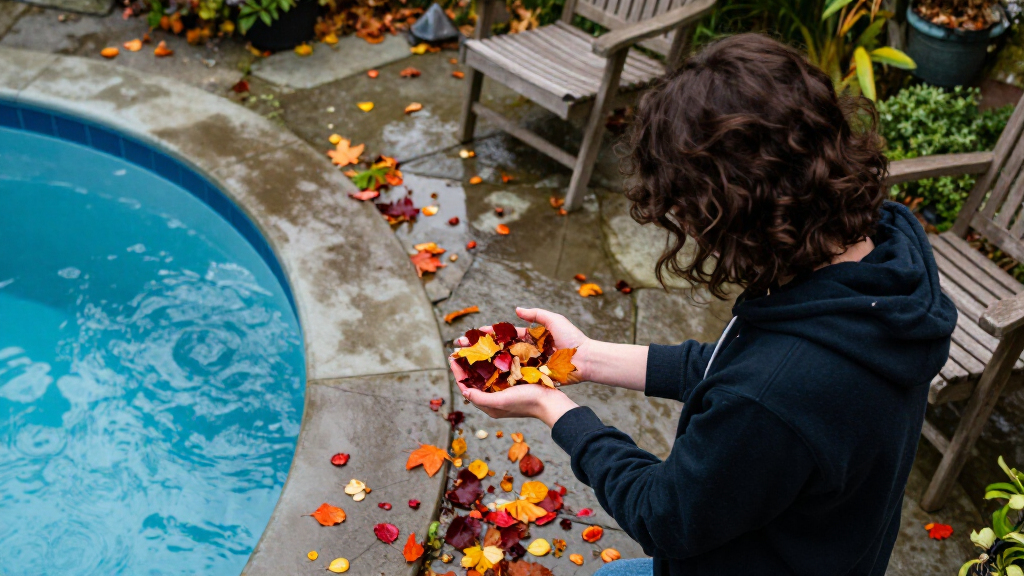
As days shorten and nights cool in fall, deciduous plants slow chlorophyll production, allowing other pigments in leaves to show. Weather affects how vivid and long-lasting the colors are, and researchers continue to study additional explanations for autumn coloration, including possible effects on insect behavior.
Shorter days and cooler nights in fall cause many deciduous trees and plants to slow production of chlorophyll, the pigment that makes leaves appear green, allowing other pigments to become visible. A Gardener’s Path report explains that weather also affects the color display, while some possible explanations for autumn color remain subjects of scientific research.
During the growing season, chlorophyll helps plants capture light for photosynthesis, the process that converts carbon dioxide and water into sugars. As the season winds down, deciduous plants need less food and make less chlorophyll. The green pigment fades, revealing colors from other pigments already present in leaves: carotenoids create orange tones, xanthophylls create yellow, and tannins contribute brown. Anthocyanins produce red hues.
As leaves prepare to fall, plants form a layer of cells where each leaf stem meets a branch. This abscission layer blocks the leaf’s veins and eventually separates it from the branch. The report says the process can also trap sugars in the leaf, supporting anthocyanin production. Some trees, including certain oaks, beeches and hornbeams, retain dead leaves into winter or spring; this behavior is known as marcescence.
Seasonal timing and local conditions shape what people see. According to the report, tree species differ in when they change color, while rainfall, heat, wind, cloud cover and frost can affect the intensity or duration of the display. Adequate moisture through spring and summer, sunny days, cool nights and a lack of frost can support vivid color. Storms can knock leaves down early, and a frost can damage them before their colors peak.
How Weather Shapes Fall Color
The science helps explain why fall color varies from year to year and from one place to another. Shorter days initiate the seasonal slowdown, but the weather can influence whether colors are vivid, muted or short-lived. Hot conditions continuing into fall may delay color change and reduce brilliance, while strong rain and wind can shorten the display by stripping leaves from branches.
The distinction matters for interpreting seasonal forecasts and local observations: color is not determined by a single factor, and a change in timing does not by itself establish a particular cause. The report points to climate change and leaf pigmentation as areas of ongoing research, but does not provide evidence that attributes a specific year’s display to climate change.
fall leaf color identification guide
As an affiliate, we earn on qualifying purchases.
As an affiliate, we earn on qualifying purchases.
From Green Leaves to Dormancy
Deciduous plants shed their leaves as part of their seasonal cycle, unlike evergreens that retain foliage. In spring and summer, chlorophyll supports photosynthesis and growth. As fall approaches, the plant reduces that activity and prepares for winter dormancy by forming the abscission layer that allows leaves to detach.
The report describes species differences as part of the cycle: oaks tend to change color late, and some retain leaves after they die. It also cites a 2017 example from North Carolina, where warm conditions extending into fall were associated with a display dominated by orange and yellow. That example illustrates how weather may affect color; it is not a general forecast for other places or years.
““Fall Color Guy””
— Gardener’s Path report, describing Harold Neufeld of Appalachian State University
Questions Researchers Still Study
The basic seasonal mechanism is established in the report: chlorophyll production slows as conditions change, revealing other pigments. But it also says scientists do not fully understand all the factors behind the phenomenon. Proposed explanations for the evolutionary role of bright colors remain theories under study, not settled conclusions.
Hamilton and Brown proposed in 2001 that red and other bright leaves could act as an honest warning to insects, including aphids, about a tree’s chemical defenses. The report also references a 2011 study, but the supplied source text ends before describing its findings. Its details and conclusions therefore cannot be established from the available material. The report likewise raises climate change as a research topic without specifying its effects or quantifying trends.
Following the Fall Color Research
Researchers continue to investigate how pigments, insects and changing climate conditions relate to autumn color, according to the report. The source does not identify a forthcoming study or a specific date for new findings, so no next research milestone is confirmed.
For readers watching the seasonal display, the immediate next change is local: leaves will continue to change or fall as the season advances, with timing and intensity shaped by species and weather. The report’s account offers a useful explanation, but year-to-year color conditions cannot be inferred from the general factors alone.
Key Questions
Why do leaves turn yellow and orange in fall?
As chlorophyll production slows, green color fades and other pigments become visible. Carotenoids produce orange tones, while xanthophylls contribute yellow.
What makes some leaves red?
Anthocyanins produce red pigments. The report says sugars retained in leaves during formation of the abscission layer can support their production.
Does weather affect how bright fall colors are?
Yes. The report says heat, rainfall, sunlight, wind and frost can affect timing, intensity and duration. Weather conditions can alter the display, but the outcome also depends on the plant and its seasonal cycle.
Why do some trees keep dead leaves through winter?
Some trees exhibit marcescence, retaining dead leaves after other trees have shed theirs. The report names certain oaks, beeches and hornbeams as examples.
Source: rss
Halloween Picks
halloween
As an affiliate, we earn on qualifying purchases.