To maximize your pool’s energy efficiency, start by insulating your walls and floors to maintain water temperature and reduce heat loss. Pair this with solar heating systems to use free, renewable energy, and choose variable pumps to optimize water circulation without wasting power. Selecting modern, energy-efficient equipment like LED lighting and efficient filters further cuts costs. Combining these strategies creates a sustainable, budget-friendly pool setup—stay tuned to discover how to turn these ideas into a detailed smart design.
Key Takeaways
- Proper insulation minimizes heat loss, reducing the workload on heating systems and saving energy.
- Solar heating systems utilize renewable energy, lowering reliance on electric or gas heaters and decreasing operating costs.
- Variable pumps optimize water circulation, consuming only necessary energy based on pool needs.
- Choosing energy-efficient equipment like LED lighting and modern filters enhances overall system performance and reduces power use.
- Combining insulation with solar heating and variable pumps creates a sustainable, cost-effective, and energy-efficient pool environment.

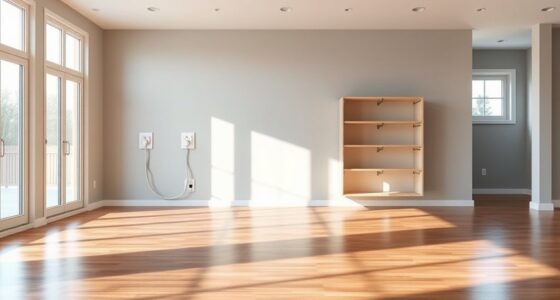
Are you looking to enjoy a beautiful pool while keeping energy costs low? One of the most effective ways to do that is by focusing on energy-efficient pool design, especially through smart insulation and equipment choices. Proper insulation is fundamental because it helps maintain water temperature, reducing the workload on your heating system and cutting down energy expenses. Investing in high-quality pool insulation around the walls and floor minimizes heat loss, meaning your pool stays warmer longer without constantly running your heater. This not only saves energy but also extends the lifespan of your equipment by preventing unnecessary strain.
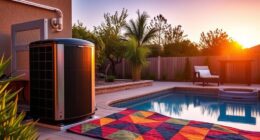
When it comes to heating your pool efficiently, solar heating systems are an excellent choice. They harness the sun’s free, renewable energy to warm your pool water, drastically reducing reliance on electric or gas heaters. Solar panels can be installed on your roof or nearby, capturing sunlight and transferring that heat directly to your pool water through a series of pipes. This setup is cost-effective over time, especially in sunny climates, and it substantially lowers your energy bills. To maximize the benefits, pair solar heating with variable pumps. These pumps adjust their speed based on your pool’s current needs, using only as much energy as necessary to circulate water efficiently. Unlike traditional single-speed pumps, variable pumps optimize energy use, reducing electricity consumption, and providing better control over water flow and heating.
Choosing the right equipment is vital for an energy-efficient pool. Alongside solar heating and variable pumps, consider energy-efficient filters and LED lighting. Modern filters consume less power while maintaining excellent water quality, and LED lights use a fraction of the energy of traditional bulbs while offering vibrant illumination. When selecting equipment, look for models with high energy efficiency ratings and compatibility with your solar heating system. This integration ensures your pool operates smoothly and economically.
Additionally, proper pool insulation and equipment setup create a domino effect that enhances overall energy savings. For instance, well-insulated pools require less heating, and when combined with solar heating, you often need to run your heater only during cloudy days or colder seasons. Variable pumps further optimize energy use because they run only as much as needed, preventing unnecessary power draw. By combining these strategies—insulation, solar heating, and variable pumps—you create a pool environment that’s not only enjoyable but also environmentally conscious and budget-friendly.
Frequently Asked Questions
What Are the Latest Advancements in Pool Insulation Materials?
You’ll find that the latest advancements in pool insulation materials include expanded polystyrene (EPS) and polyurethane foam, which offer superior insulation types. These materials boast enhanced durability, resisting moisture and temperature fluctuations better than older options. You can choose from rigid foam boards or spray-applied foams, both providing excellent thermal performance. Using these modern, durable insulation types helps keep your pool energy-efficient and maintains consistent water temperatures.
How Does Solar Energy Integrate With Pool Heating Systems?
You can integrate solar energy with your pool heating system through solar collectors that capture sunlight and convert it into heat. This renewable heating method works efficiently when connected to your pool’s circulation system, reducing reliance on traditional energy sources. Solar integration offers a sustainable way to extend your swimming season, lower energy bills, and minimize environmental impact, making it an excellent choice for eco-conscious pool owners.
What Maintenance Practices Optimize Energy Efficiency Over Time?
You should regularly check and maintain proper chemical balance to prevent equipment strain and guarantee efficiency. Clean filters and inspect pumps for ideal operation, and follow safety standards to avoid hazards. By staying on top of routine maintenance, you extend equipment lifespan and reduce energy costs. Additionally, cover your pool when not in use to minimize heat loss, helping your energy-efficient system perform at its best over time.
Are There Government Incentives for Energy-Efficient Pool Equipment?
Think of government incentives like finding a hidden treasure map. You can often access rebates and tax credits for installing energy-efficient pool equipment. Many states and local governments offer rebates that cut costs, and federal tax credits may reduce your overall tax bill. Check with your local energy authority or government website to discover current programs—these incentives make upgrading your pool’s equipment more affordable and environmentally friendly.
How Do Climate Variations Affect Pool Insulation Choices?
Climate variations substantially impact your pool insulation choices. In colder climates, you should prioritize insulation with high durability to withstand harsh conditions and prevent heat loss. Conversely, in warmer or humid areas, focus on insulation that resists moisture and mold. Understanding the climate impact helps you select materials that maintain efficiency and durability year-round, ensuring your pool stays warm and energy-efficient regardless of weather changes.
Conclusion
By choosing proper insulation and energy-efficient equipment, you can substantially cut your pool’s energy use. Many believe that high upfront costs save money long-term, and studies support this, showing energy-efficient setups reduce operating expenses over time. Investing in these features isn’t just eco-friendly but also economical, proving that smart design truly pays off. So, don’t underestimate the power of thoughtful insulation and equipment—your wallet and the environment will thank you.