
When opening your pool, paying attention to equipment inspection and water chemistry is vital but often overlooked. Checking your pump, filter, and jets for damage prevents problems before swimming season starts, while balancing pH and sanitizer levels keeps the water safe and clear. Regular cleaning and shocking eliminate algae and bacteria. Focusing on these essential tasks first can save you time, money, and stress later. Ready to discover the most important steps to a perfect pool opening?

Get pool and patio gear delivered free with Prime
- Fast, free delivery on millions of items
- Prime Video, Amazon Music and more included
- Member-only deals all year
Key Takeaways
- Proper inspection of pool equipment ensures smooth operation and prevents costly repairs during the season.
- Water chemistry testing and adjustment are crucial for safe, clear, and balanced pool water.
- Skimming, vacuuming, and brushing remove debris and algae, maintaining cleanliness and preventing buildup.
- Regular monitoring and adjusting of chemical levels maintain water safety and prevent issues like algae blooms.
- Routine maintenance tasks preserve equipment longevity and ensure an inviting, worry-free swimming environment.
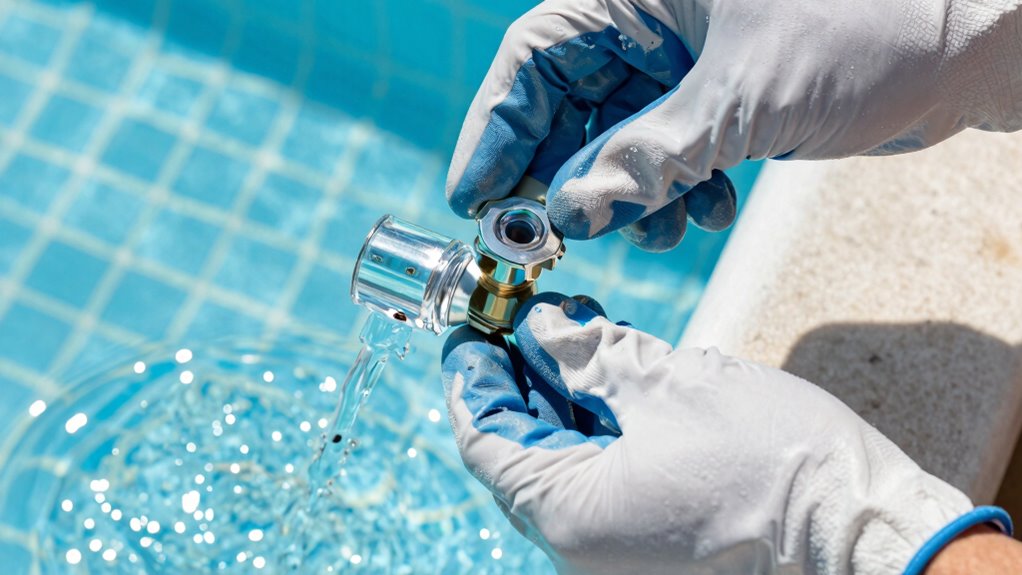
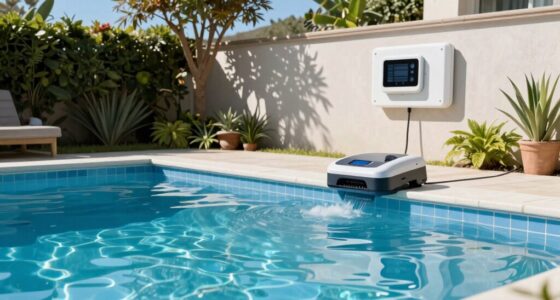
As winter fades and warmer days arrive, it’s time to prepare your pool for the season ahead. The first thing you’ll want to focus on is inspecting your pool equipment. Over the off-season, some parts may have shifted or become damaged, so check everything from the pump and filter to the skimmer and return jets. Make sure your pump operates smoothly and that there are no leaks or cracks. Clean out the pump basket and filter to remove any debris that accumulated during storage. If you find any worn or broken parts, now’s the time to replace them so you avoid issues once the season kicks into high gear. Proper functioning pool equipment is the backbone of maintaining a clean and healthy pool, so don’t overlook this step.
Inspect and clean your pool equipment to ensure smooth operation and prevent seasonal issues.
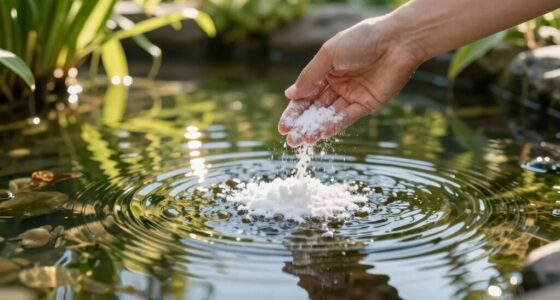
Next, you’ll need to pay close attention to water chemistry. Balanced water is essential for both safety and clarity, so start by testing the water’s pH, alkalinity, and sanitizer levels. Use a good test kit or strips to get accurate readings. If the pH is too high or too low, it can cause corrosion or scaling, respectively, and affect sanitizer efficiency. Adjust the pH to stay within the ideal range of 7.4 to 7.6. Alkalinity controls the water’s buffering capacity, so aim for a level between 80 and 120 ppm. Sanitizer levels, whether chlorine or bromine, should be checked and topped off to ensure your water remains sanitized and free of bacteria. You might also need to shock the pool to eliminate any residual algae or bacteria that survived winter’s dormancy. Maintaining proper water chemistry is essential for a safe and inviting swimming environment, and understanding the importance of pool chemistry can help prevent future issues and ensure your pool stays in top condition throughout the season.
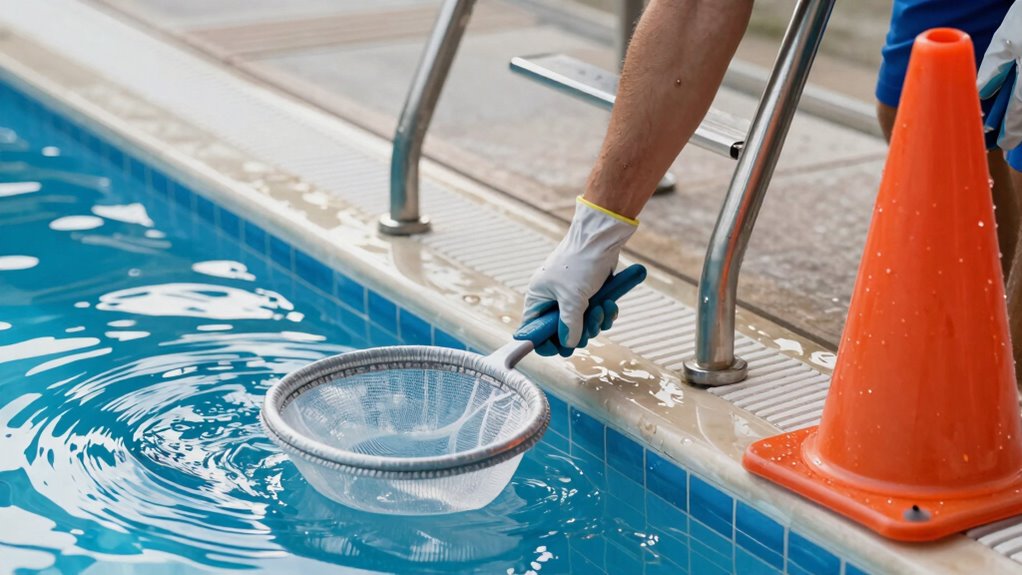
Once these foundational tasks are handled, it’s time to clean the pool thoroughly. Skim off winter debris, vacuum the bottom, and brush the sides to remove any algae or dirt buildup. After cleaning, run your pool equipment to circulate water, allowing chemicals to distribute evenly. Keep an eye on your water chemistry during the first few days of the season, adjusting as needed to maintain proper balance. Regular testing and adjustments will prevent costly problems down the line, like cloudy water or algae blooms.
In the end, paying attention to your pool equipment and water chemistry isn’t just routine maintenance; it’s the key to a safe, inviting pool all season long. When these tasks are done correctly, you’ll enjoy crystal-clear water and worry-free swimming, making your pool the perfect backyard retreat.
As an affiliate, we earn on qualifying purchases.
Frequently Asked Questions
When Is the Best Time to Open My Pool for the Season?
You should open your pool in late spring, once temperatures consistently stay above 70°F. This timing allows you to perform seasonal maintenance and add essential pool accessories like skimmers and heaters. Opening too early risks algae growth, while waiting too long shortens your swimming season. By choosing the right moment, you guarantee a smooth start, maintaining water clarity and equipment longevity throughout the season.
How Do I Prevent Algae Growth After Opening the Pool?
Imagine opening your pool, and algae starts to bloom within days. To prevent this, you should focus on algae prevention by maintaining proper chemical balancing right after opening. Regularly test your water and adjust pH and sanitizer levels to keep them within ideal ranges. This proactive approach discourages algae growth and keeps your pool clear and inviting all season long. Consistent chemical balancing is key to long-term algae prevention.
What Safety Equipment Should I Check Before Opening?
Before opening your pool, you should check the pool cover to guarantee it’s secure and in good condition. Also, verify that safety signage is visible and intact, warning of potential hazards and rules. Make sure safety equipment like life rings, poles, and first aid kits are accessible and in place. These steps help prevent accidents and ensure a safe swimming environment right from the start.
How Often Should I Test the Water During Early Season?
Think of your pool as a living, breathing creature needing daily care. During early season, you should test the water at least twice a day—morning and afternoon—to keep the chemical balance steady and water clarity high. This routine allows you to catch imbalances early, ensuring safe swimming conditions. Regular testing helps maintain crystal-clear water, making your pool inviting and safe for everyone.
Are There Eco-Friendly Options for Pool Opening Chemicals?
Yes, there are eco-friendly alternatives for pool opening chemicals. You can opt for natural enzymes, mineral-based treatments, or homemade solutions like borax and baking soda. These options promote chemical reduction, reducing your pool’s environmental impact. By choosing eco-friendly alternatives, you help protect aquatic life and reduce chemical runoff. Always follow instructions carefully, and consider consulting your pool supplier for sustainable products that effectively maintain water quality without harming the environment.
Conclusion
As you tackle pool opening tasks, remember that each step is a crucial thread in the fabric of a successful season. Skipping or rushing through the process is like trying to build a house on shaky ground — it won’t hold up. By paying attention to the details, you’re setting the stage for smooth sailing and sparkling waters ahead. Think of your efforts as the key that opens a summer full of fun and relaxation.
Halloween Picks
halloween
As an affiliate, we earn on qualifying purchases.