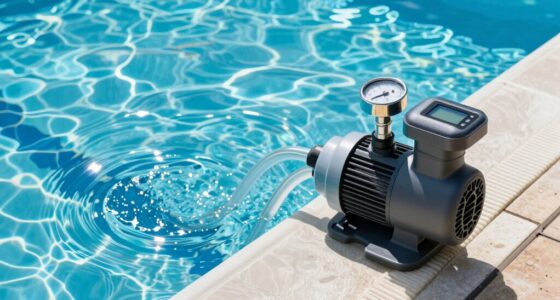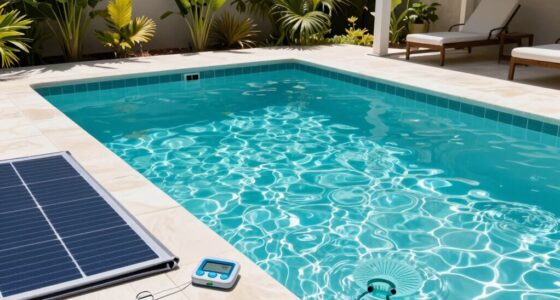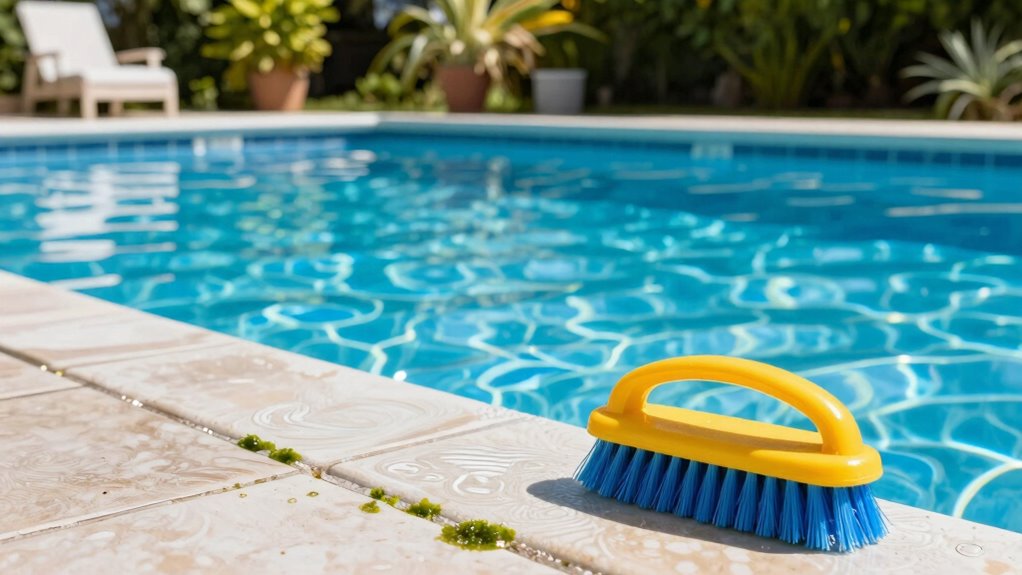
Manual pool brushing still matters because it helps prevent algae and biofilm buildup that automated systems might miss, especially in hard-to-reach spots. It keeps your surfaces clean, promoting better chemical balance and clearer water. Brushing also dislodges particles, making filters more effective and reducing chemical use. While automation is helpful, proper tools and techniques guarantee your pool stays in top condition for the long term — and there’s more to discover about its importance.

Get pool and patio gear delivered free with Prime
- Fast, free delivery on millions of items
- Prime Video, Amazon Music and more included
- Member-only deals all year
Key Takeaways
- Manual brushing removes algae and biofilm that automated systems often miss.
- It improves chemical distribution and enhances water clarity and quality.
- Proper brushing reaches corners and textured surfaces automated cleaners can’t access.
- Regular manual cleaning prevents long-term damage and reduces chemical use.
- Using the right tools ensures effective cleaning and supports sustainable pool maintenance.
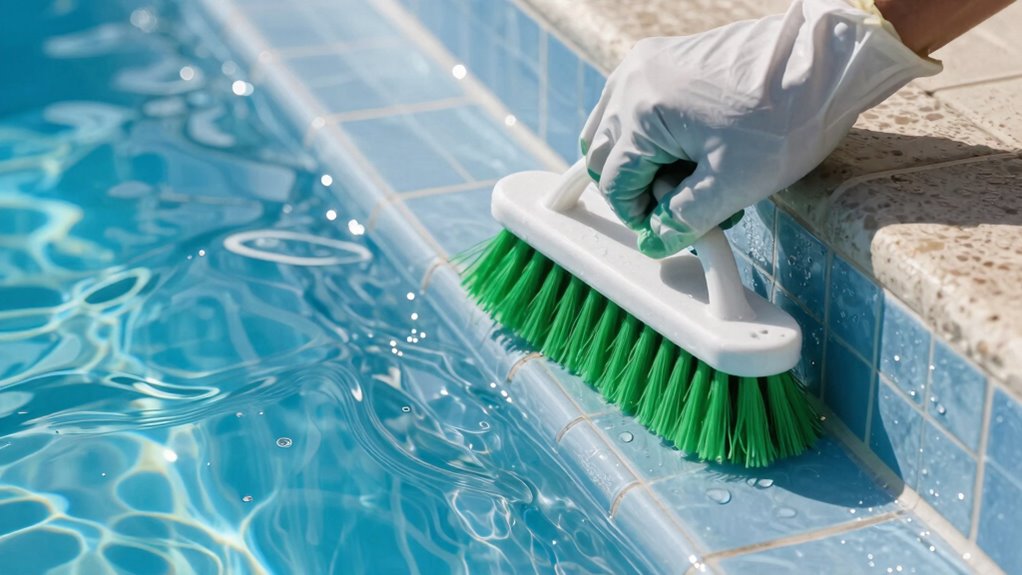
Even with modern pool automation systems, brushing your pool regularly remains essential. Automated systems handle many tasks, but they can’t replace the hands-on effort needed for thorough pool maintenance. Brushing helps prevent algae buildup, removes dirt and debris from hard-to-reach spots, and keeps the pool’s surface looking clean and inviting. When you brush, you actively disrupt the formation of algae and biofilm, which automated systems may overlook, especially in corners, steps, or around fittings. This process also supports your ongoing efforts to maintain proper chemical balance, because a clean surface minimizes the chances of chemical imbalance caused by organic buildup or algae growth. Regular manual cleaning is a vital part of biodiversity and sustainable living practices, as it promotes healthier pool ecosystems. Maintaining the right chemical balance is vital for safe, clear water and the longevity of your pool’s equipment. When you brush, you expose more of the pool’s surface to the water, allowing chemicals to work more effectively. Without regular brushing, dirt and algae can cling to the walls and floor, making it harder for chemicals like chlorine or pH balancers to do their job. If you neglect this step, you risk uneven chemical distribution, which can lead to cloudy water, algae blooms, or corrosion of your pool’s surface and equipment. Brushing ensures the chemicals you add are evenly distributed and able to react properly, helping you keep the water safe and balanced.
While high-tech systems can monitor chemical levels and automatically add chemicals, they can’t physically scrub off stubborn algae or debris. Automated cleaning devices, like robotic vacuums, are great for removing loose dirt, but they can’t reach tight corners, textured surfaces, or algae that cling stubbornly to the walls. That’s where manual brushing comes in. It’s a simple yet effective way to complement your pool’s overall maintenance routine, ensuring your water stays crystal clear and your pool’s surfaces remain in good condition. Regular brushing also reduces the workload for your filtration system and minimizes the need for harsh chemical treatments, saving you money and effort in the long run. Proper pool surface care is crucial for preventing long-term damage and maintaining a pristine appearance. Additionally, using appropriate cleaning tools can make the process more efficient and help prevent damage to the pool’s surface. Incorporating manual cleaning techniques into your routine can enhance overall pool health and reduce the frequency of chemical adjustments needed. Regular brushing also improves the effectiveness of your pool’s filtration by dislodging particles that might otherwise clog filters or reduce water flow, contributing to more efficient filtration.
manual pool brush for algae removal
As an affiliate, we earn on qualifying purchases.
As an affiliate, we earn on qualifying purchases.
Frequently Asked Questions
How Often Should I Brush My Pool?
You should brush your pool at least once a week to maintain cleanliness and guarantee pool safety. Regular brushing helps remove algae, dirt, and debris that can impact water quality. Incorporate brushing into your maintenance schedule to prevent buildup and keep your pool safe for swimming. Consistent maintenance not only prolongs your pool’s lifespan but also ensures it remains a healthy, inviting space for you and your loved ones.
Can Pool Brushing Prevent Algae Growth?
Yes, pool brushing helps prevent algae growth by removing surface debris and algae spores before they can take hold. Regular surface maintenance keeps your pool clean and reduces the chance of algae developing, especially in hard-to-reach spots. By consistently brushing, you disrupt algae’s ability to establish itself, making it easier to maintain clear, healthy water. So, yes, regular brushing is key to effective algae prevention and overall pool care.
What Type of Brush Is Best for My Pool?
Think of your pool’s surface as a canvas, needing the right brush to bring out its best. A nylon brush with a sturdy, non-abrasive design is your best bet for most surfaces, gently scrubbing away dirt without damage. For tougher stains or textured surfaces, consider a stainless steel brush. Selecting the right brush materials guarantees effective cleaning and protects your pool surface, making maintenance easier and more efficient.
Is Pool Brushing Necessary With a Robotic Cleaner?
Yes, pool brushing is still necessary even with a robotic cleaner. While robotic devices handle a lot of pool maintenance, brushing helps remove stubborn algae and debris stuck on the surfaces that robots might miss. Regular brushing not only keeps your pool looking clean but also extends equipment durability by preventing build-up that can cause damage. Combining brushing with your robotic cleaner ensures a thorough clean and maintains your pool’s overall health.
How Does Brushing Affect Water Chemistry?
Ever wondered how brushing impacts your pool’s water chemistry? When you brush the surfaces, you help remove algae and dirt, which keeps the chemical balance in check. It also enhances surface maintenance by preventing buildup that can throw off pH levels or lead to cloudy water. Regular brushing guarantees your chemicals work effectively, maintaining a safe, clean pool. Isn’t that a simple way to keep your pool sparkling and well-balanced?
Conclusion
Remember, pool brushing is like tending to a garden—you must regularly clear away the weeds to let the true beauty shine through. Skipping this step allows algae and grime to take root beneath the surface, threatening the clarity and health of your pool. By brushing consistently, you’re nurturing a pristine oasis, symbolizing your dedication to maintaining purity and peace. Keep up the effort, and your pool will always reflect the clear, calm waters you desire.
Halloween Picks
halloween
As an affiliate, we earn on qualifying purchases.