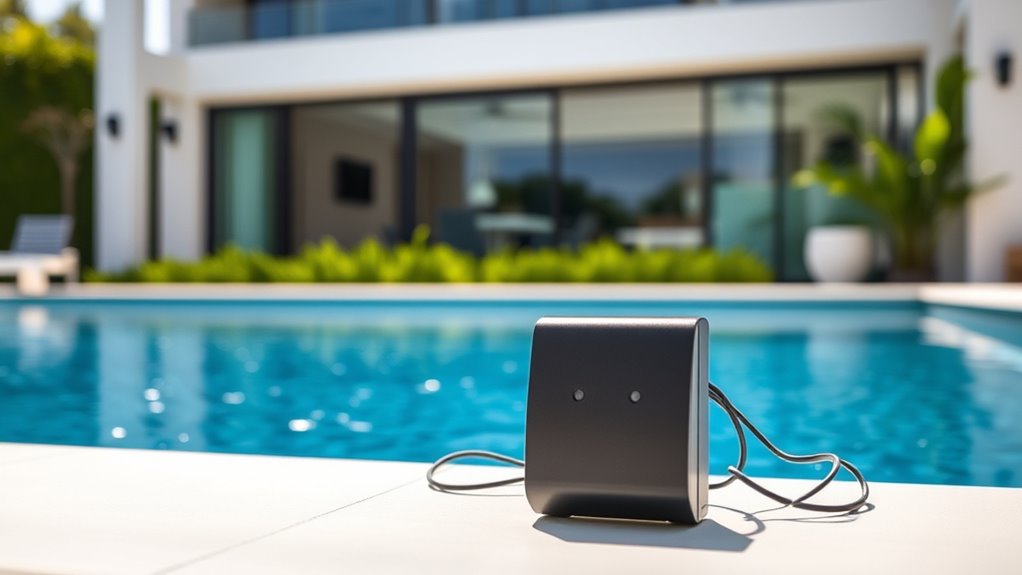

Pool alarm technologies use different sensors like motion detectors, sub-surface water alarms, and perimeter sensors to alert you if someone enters the pool unexpectedly. These alarms can be calibrated for accuracy, reducing false triggers from wind or animals. Proper placement and regular maintenance ensure they work effectively. By understanding the types and features, you’ll know how to select and optimize a system that keeps your pool safe. Keep going to learn more about making your pool safer today.

Get pool and patio gear delivered free — and shop member deals
- Fast, free delivery on millions of items
- Access to Prime Big Deal Days deals on October 6–7
- Prime Video, Amazon Music and more included
Key Takeaways
- Types include perimeter, water motion, and pressure sensor alarms, each suited for different safety needs.
- Sensor calibration ensures accurate detection and minimizes false alarms caused by environmental factors.
- Proper placement and secure mounting are crucial for optimal sensor performance and coverage.
- Regular maintenance and recalibration maintain alarm reliability and responsiveness over time.
- Features often include adjustable sensitivity, tamper alerts, and integration with smart home systems for enhanced safety.
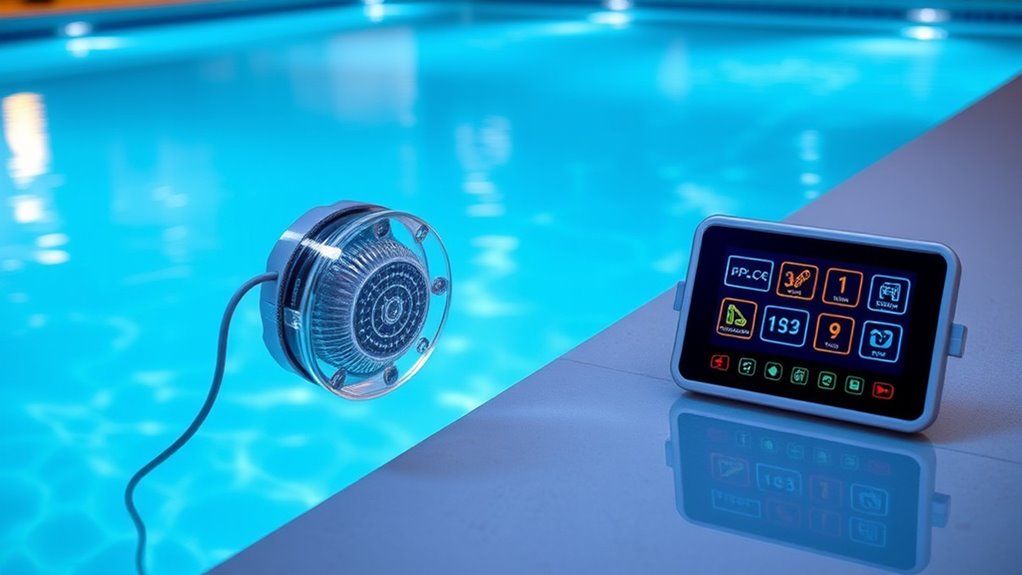
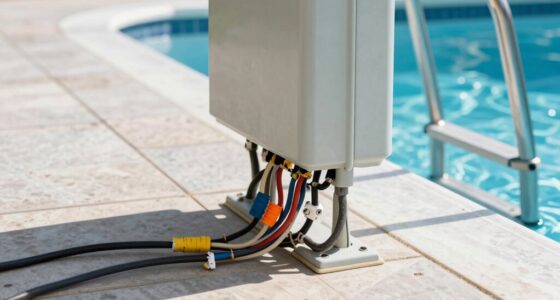
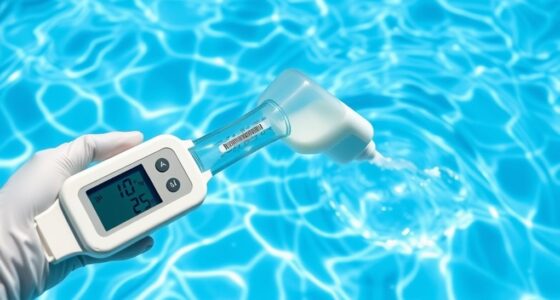
Pool alarm technologies have become indispensable for guaranteeing safety around swimming pools. They help prevent accidents by alerting you immediately if someone enters the water unexpectedly. When choosing a pool alarm, understanding how sensor calibration and alarm placement work is essential for effective protection. Sensor calibration ensures that the alarm accurately detects intended movements or presence, minimizing false alarms caused by debris, wind, or small animals. Proper calibration involves adjusting the sensitivity settings so that the alarm responds only to significant disturbances, like a person entering the pool, rather than minor disturbances that aren’t dangerous. You should regularly check and recalibrate your sensors to maintain their accuracy, especially after cleaning or if you notice the alarm triggering unexpectedly. Calibration might involve following manufacturer instructions to test the sensor’s response at different sensitivity levels, ensuring it’s finely tuned to your specific pool environment. Additionally, selecting sensors with suitable detection range is crucial to cover the entire pool area effectively. Alarm placement plays a key role in maximizing safety. Positioning sensors correctly ensures they can effectively monitor the pool and detect unauthorized access or accidental falls. Typically, alarms should be installed near pool entry points, such as steps, ladders, or gates, where people are most likely to enter or exit. For perimeter sensors, it’s best to install them around the pool’s edge, at a height that captures movement without being easily disabled or triggered by environmental factors like wind or passing animals. You need to consider the environment when placing alarms—avoiding areas with heavy foliage or strong sunlight that could interfere with sensor operation. Proper placement also involves ensuring sensors are securely mounted and unobstructed, so they can reliably pick up motion or vibrations. Remember, the goal is to position alarms where they can quickly detect a person entering the water, but without creating too many false positives. Combining strategic placement with correct sensor calibration makes your pool alarm system more reliable and responsive, giving you peace of mind and enhancing safety for everyone around your pool area. Regularly reviewing alarm placements and recalibrating sensors as needed will keep your safety measures effective over time, ensuring prompt alerts and preventing accidents before they happen.
pool alarm system with motion sensors
As an affiliate, we earn on qualifying purchases.
As an affiliate, we earn on qualifying purchases.
Frequently Asked Questions
How Often Do Pool Alarms Require Maintenance?
You should check your pool alarm monthly to make certain it works properly. Regular maintenance involves sensor calibration to keep detection accurate and battery replacement when needed, typically every 6 to 12 months. Keep an eye on the alarm’s alerts, and if it chirps or stops working, replace the batteries immediately. Consistent maintenance ensures your pool alarm stays reliable, providing peace of mind and safety for you and your family.
Are Pool Alarms Suitable for All Pool Types?
Think of pool alarms as versatile guardians, like a key that fits many locks. They suit most pool types, whether above ground or in-ground, but check water quality and pool cover compatibility first. If your water is murky or your cover is unusual, some alarms might struggle. So, verify the alarm you choose is compatible with your specific pool setup to keep safety alarms ringing true.
What Is the Average Cost of Pool Alarm Systems?
You can expect the average cost of pool alarm systems to range from $50 to $200, depending on the type and features. When considering a cost comparison, keep in mind that higher-end alarms often have additional features and longer-lasting components. The installation process is usually straightforward, especially with DIY models, but professional installation might add $50 to $100. Budget accordingly to guarantee safety without overspending.
Can Pool Alarms Be Integrated With Home Security Systems?
Think of your pool alarm as a vigilant guard dog; it can indeed join your home’s security team. Many pool alarms now feature smart home compatibility and wireless integration, making it easy to connect with your existing security system. This seamless integration guarantees you get alerts on your smartphone, providing thorough protection. So, yes, you can effortlessly integrate pool alarms with your home security, creating a unified defense against unexpected incidents.
How Effective Are Pool Alarms in Preventing Accidents?
Pool alarms are quite effective in preventing accidents by alerting you quickly when a child enters the water, enhancing child safety. Their alarm reliability ensures you’re promptly notified of any potential danger, giving you time to respond. While no system is foolproof, a well-installed pool alarm substantially reduces the risk of drowning incidents, making your pool area safer for kids and peace of mind for you.
Conclusion
Choosing the right pool alarm means selecting safety, peace of mind, and confidence. It’s about sensing movement, alerting instantly, and protecting loved ones. Whether it’s a sensor that detects motion, a float that signals danger, or a submerged alarm that sounds off, each technology creates a safety net. By understanding your options, you build a barrier of awareness, a shield of security, and a foundation of peace—keeping your pool safe, your family secure, and your worries at bay.
Halloween Picks
halloween
As an affiliate, we earn on qualifying purchases.