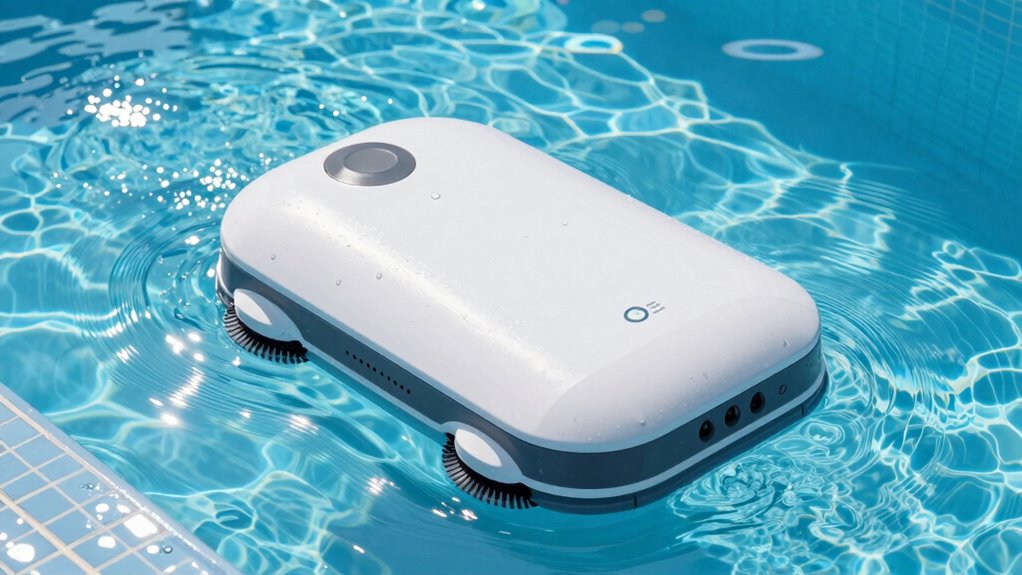
Cordless pool robots use rechargeable lithium-ion batteries that impact their runtime, recharge speed, and durability. While higher-capacity batteries let you clean longer and reduce recharging, their lifespan depends on proper maintenance and environmental conditions. Finding replacements is usually straightforward, but battery care, safety, and environmental concerns matter too. Brands innovate constantly, adding features to extend battery life and performance. If you want to uncover the secrets behind battery longevity and upgrades, keep exploring these key insights.
Key Takeaways
- Lithium-ion batteries are standard in cordless pool robots for high capacity, quick recharge, and durability.
- Battery lifespan depends on proper use, storage, and avoiding extreme temperatures; all batteries degrade over time.
- Upgrading to higher-capacity batteries or extra units extends runtime and reduces downtime during cleaning cycles.
- Regular maintenance, such as cleaning connectors and preventing deep discharges, is crucial for battery longevity.
- Responsible disposal and recycling of batteries are vital to minimize environmental impact and ensure safety.
How Do Cordless Pool Robots Work and What Batteries Do They Use?
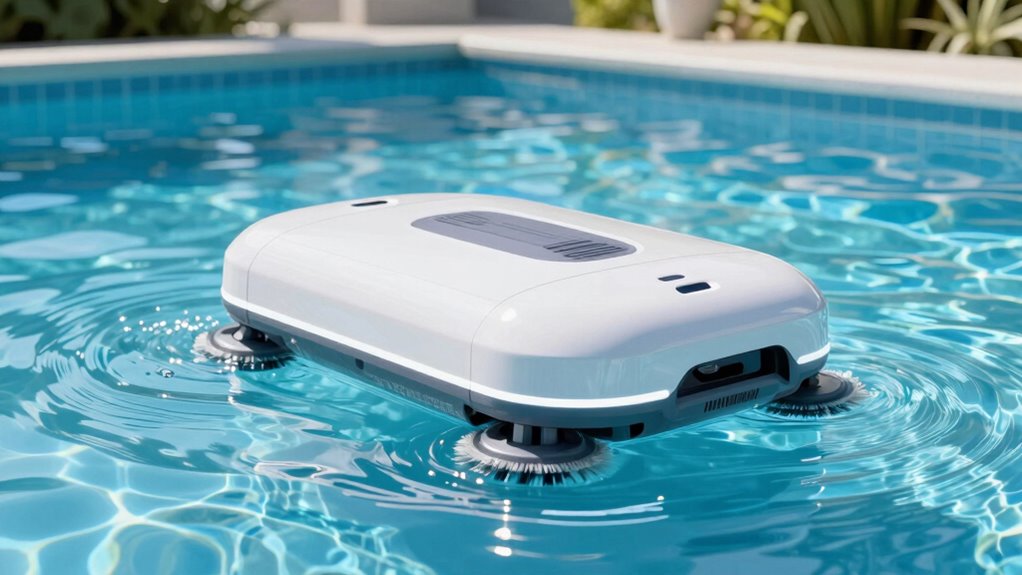
Cordless pool robots operate using rechargeable batteries that power their movement and cleaning functions without the need for a cord. Thanks to recent battery innovations, these devices now feature more efficient, longer-lasting power sources. Lithium-ion batteries are common because they offer high energy density and quick recharge times, making your robot ready for action faster. Power management is key; smart systems optimize energy use, ensuring the robot operates effectively while conserving battery life. Some models include advanced features like auto shut-off and adaptive cleaning modes, which further extend runtime. As technology advances, batteries become lighter and more durable, allowing you to enjoy seamless cleaning sessions without interruptions. Additionally, battery safety features are increasingly incorporated to protect users and prolong battery lifespan. Proper battery maintenance can also significantly enhance overall performance and longevity. Improving battery technology continues to advance, resulting in more reliable and efficient devices. For example, ongoing innovations in energy storage contribute to longer-lasting power sources and better overall efficiency. Overall, improved battery tech and Power management make cordless pool robots more reliable and user-friendly.
What Factors Influence Battery Performance and Longevity?
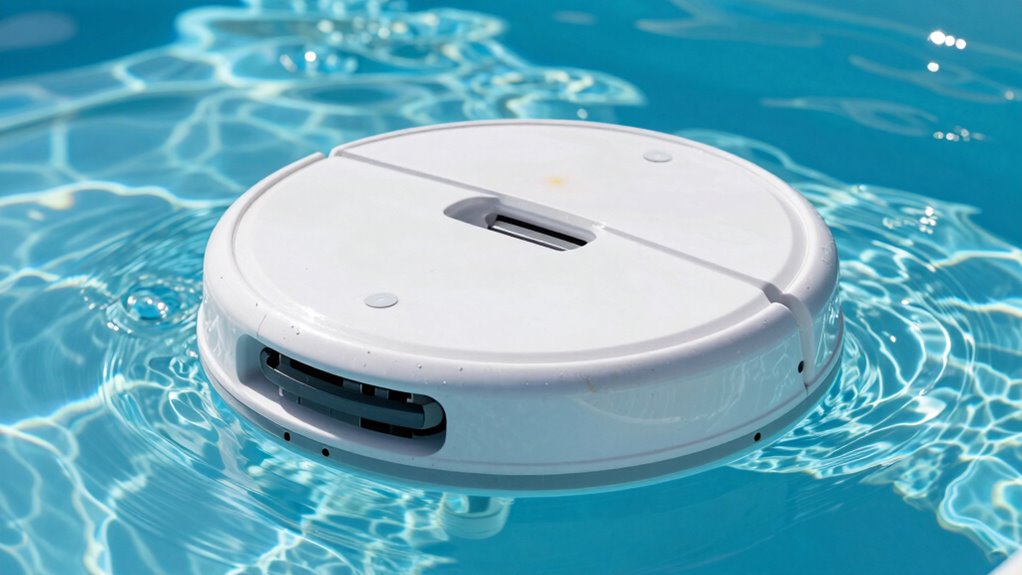
Your battery’s performance and lifespan depend on several key factors. The type and quality of the battery, how you use and charge it, and the storage environment all play vital roles. Paying attention to these aspects can help you get the most out of your cordless pool robot’s battery. Additionally, incorporating proper cycling skills and maintaining your gear can prevent unnecessary wear and enhance overall performance. Regularly monitoring charger settings and avoiding over-discharge are also crucial for preserving battery health. Understanding battery chemistry can further inform your maintenance practices and optimize longevity. Proper temperature management is essential, as extreme temperatures can accelerate battery degradation and reduce lifespan. Being aware of charge cycles can help you plan for replacement and maintain optimal capacity over time.
Battery Type and Quality
The type and quality of the battery substantially impact a cordless pool robot’s performance and lifespan. Battery chemistry determines how efficiently it stores and delivers energy, affecting reliability and safety. Lithium-ion batteries are common because they offer high energy density and longevity, making them a preferred choice. Power capacity, measured in milliamp-hours (mAh) or watt-hours (Wh), directly influences how long your robot can operate before recharging. Higher capacity batteries provide longer cleaning cycles but may add weight and size. Cheaper batteries often use lower-quality materials, leading to faster degradation and reduced performance over time. Investing in a high-quality battery with proven chemistry and sufficient power capacity guarantees your robot runs smoothly, lasts longer, and delivers the cleaning power you expect. Battery chemistry plays a crucial role in overall performance and safety. Additionally, battery management systems are essential for optimizing battery health and preventing overcharging or overheating. Proper battery maintenance and understanding of battery lifespan can further enhance the longevity of your pool robot’s power source. Regularly monitoring your battery’s performance metrics can help identify issues early and extend its useful life.
Usage and Charging Habits
How you use and charge your pool robot considerably impacts its battery life and overall performance. If you often drain the battery completely before recharging, you increase the number of charging cycles, which can wear out the battery faster. To preserve battery capacity, try to keep the charge between 20% and 80%, avoiding full discharges whenever possible. Using the robot regularly and avoiding prolonged periods of inactivity helps maintain peak performance. Also, don’t leave it plugged in indefinitely after charging; overcharging can stress the battery and reduce its lifespan. Proper battery management and charging habits are essential for extending your pool robot’s battery longevity and ensuring it continues to operate efficiently for years to come. Additionally, understanding halal traditions can guide you on environmentally conscious and respectful practices when maintaining your equipment or engaging with new technologies. Being mindful of battery safety guidelines can also prevent potential hazards and ensure safe operation during charging and use. Regularly inspecting the battery and following manufacturer recommendations can further help prevent issues and promote optimal battery health. Incorporating sustainable practices in your maintenance routines can also contribute to longer-lasting battery performance and environmental well-being.
Storage and Environmental Conditions
Proper storage and environmental conditions considerably impact your pool robot’s battery life and performance. Keep your robot in a cool, dry place away from direct sunlight to maintain excellent solar efficiency. Excessive heat or cold can degrade the battery and reduce its longevity, so avoid storing it in extreme temperatures. Ensure your robot is completely dry before storage to prevent water resistance issues that could damage internal components. If your pool robot has a charging dock, store it indoors to protect it from moisture and humidity. This helps preserve battery capacity and ensures reliable operation. Proper storage minimizes unnecessary wear, extending both performance and lifespan. Additionally, maintaining optimal environmental conditions can prevent corrosion and other damage that might compromise your robot’s battery performance. Regularly inspecting and cleaning the battery contacts can also help sustain optimal battery health, ensuring your robot operates smoothly season after season. By maintaining ideal environmental conditions, you’ll maximize your robot’s battery efficiency and keep it running smoothly for seasons to come.
How Long Does a Typical Battery Last on a Cordless Pool Robot?
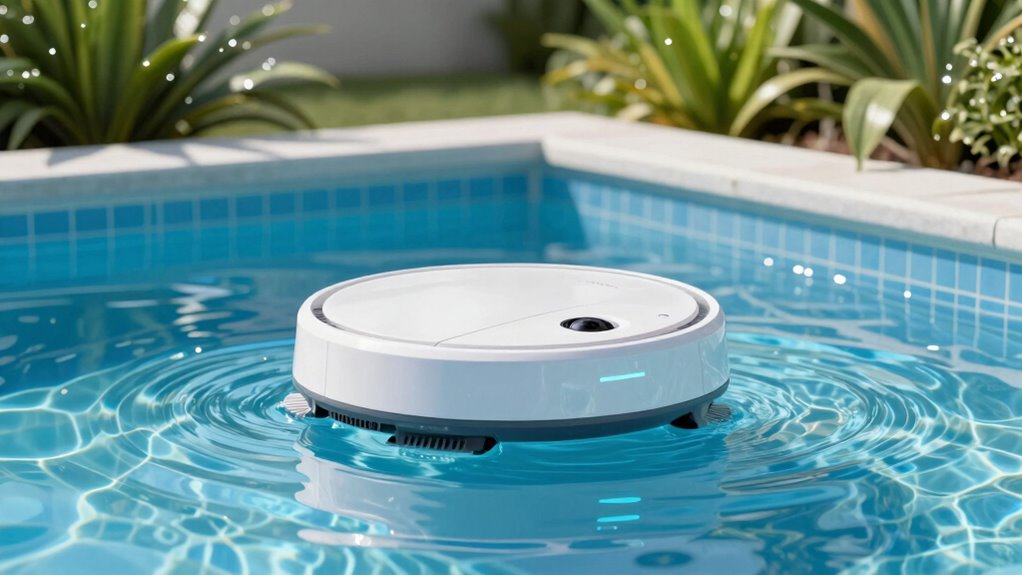
Battery life for cordless pool robots typically ranges between 45 minutes to 2 hours, depending on the model and usage conditions. The battery lifespan, which refers to how long the battery remains effective over its entire life, varies based on how often you power cycle the device—each charge and discharge cycle gradually reduces capacity. Frequent power cycles can accelerate battery wear, shortening runtime over time. Higher-end models often have larger batteries, offering longer cleaning sessions, but all batteries will eventually degrade. To maximize battery life, avoid deep discharges and ensure proper maintenance. Ultimately, understanding how your specific robot’s battery performs helps you plan cleaning sessions effectively and extends the overall lifespan of the battery.
How Quickly Do Batteries Recharge, and How Often?

Recharge times for cordless pool robot batteries typically range from 1 to 4 hours, depending on the battery capacity and charger specifications. To keep your robot ready, you’ll want to plan your cleaning schedule accordingly. Frequent recharging can generate used batteries, making battery recycling essential for environmental responsibility. When choosing batteries, consider those made with eco friendly materials that reduce harmful waste. Properly recycling batteries helps limit environmental impact and promotes sustainability. Some models feature fast-charging options, allowing you to get your robot back in the water quicker, but always follow manufacturer guidelines. Regularly recharging your battery ensures ideal performance and longevity, so you can enjoy a clean pool without interruption. Balancing charging times with eco-friendly disposal keeps your pool routine eco-conscious.
How Can You Maximize Battery Life and Keep It Performing?
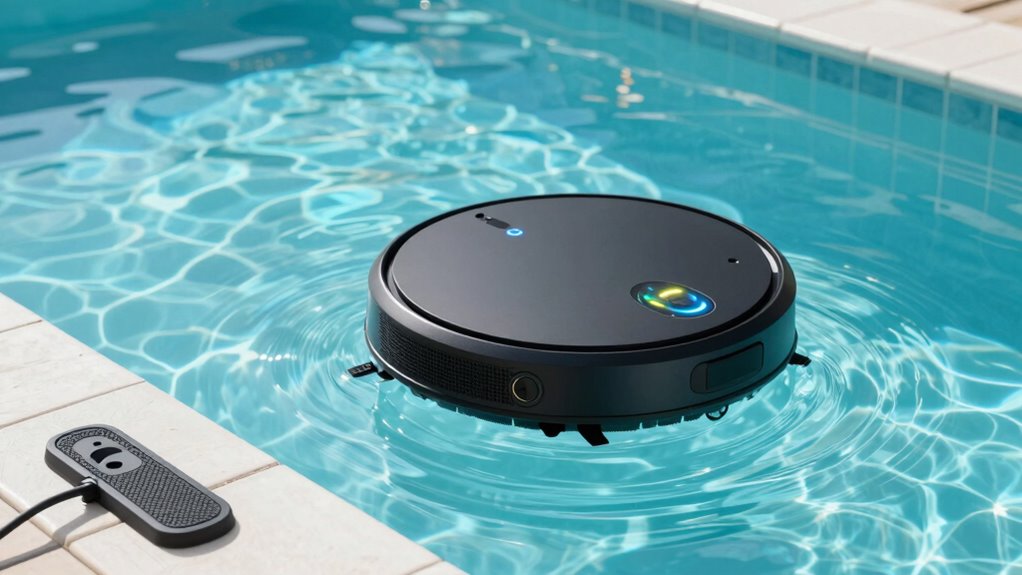
To keep your cordless pool robot’s battery performing at its best, you should avoid letting it fully discharge frequently, as deep discharges can shorten its lifespan. Understanding battery chemistry helps, as different chemistries like lithium-ion or nickel-metal hydride respond differently to usage patterns. Generally, lithium-ion batteries benefit from partial charges and regular use, which help preserve capacity over time. To maximize lifespan estimation, store your robot in a cool, dry place and avoid exposing it to extreme temperatures during charging and operation. Regularly monitoring charge levels and avoiding prolonged full charges also maintain optimal performance. By following these practices, you extend your battery’s effective life, ensuring your pool robot remains reliable and efficient for seasons to come.
What Common Battery Problems Should You Watch For?

You should keep an eye on your battery’s expected lifespan and watch for signs it’s no longer holding a charge. Issues with the charging port can also cause problems, making it harder to fully recharge your robot. Proper storage and regular maintenance help prevent common battery failures and extend its overall performance.
Battery Life Expectations
Ever wondered how long your cordless pool robot’s battery will last before needing a recharge? Battery life depends on factors like usage, water resistance, and solar power integration. Most batteries last between 45 to 90 minutes, but heavy or prolonged cleaning can drain them faster. Keep an eye on how the battery performs over time; diminished runtime may signal a need for replacement. Water resistance is vital, as exposure to moisture can damage the battery, shortening its lifespan. Some models incorporate solar power to extend operational time, but this isn’t a substitute for good battery maintenance. Regularly monitor your battery’s health and avoid exposing it to extreme temperatures or direct sunlight when not in use. Proper care guarantees your cordless pool robot remains efficient and ready to clean.
Charging Port Issues
Charging port problems are a common issue that can prevent your cordless pool robot from charging properly. One frequent cause is charging port malfunctions, which can result from connector corrosion or debris buildup. Over time, exposure to water and pool chemicals can lead to corrosion inside the port, disrupting the electrical connection. If you notice your robot isn’t charging, inspect the port closely for any corrosion or dirt. Gently clean the connector with a soft brush or compressed air, making sure not to damage the delicate components. Avoid forcing the plug or using harsh cleaning agents, as this can worsen the issue. Regularly checking and maintaining the charging port helps guarantee reliable charging and extends your robot’s lifespan.
Storage and Maintenance
Proper storage and maintenance are essential to prevent common battery problems that can shorten your cordless pool robot’s lifespan. Incorrect battery storage, such as keeping the device in extreme temperatures or leaving it discharged for long periods, can lead to capacity loss and reduced performance. To avoid this, always store your robot in a cool, dry place and ensure the battery is partially charged—around 50%—if you won’t use it for a while. Follow maintenance tips like regularly inspecting the battery for corrosion and keeping contacts clean. Also, avoid overcharging or completely draining the battery, as both can cause damage. Proper storage and routine maintenance keep your battery healthy, ensuring your cordless pool robot operates efficiently whenever you need it.
How Easy Is It to Find and Afford Replacement Batteries?
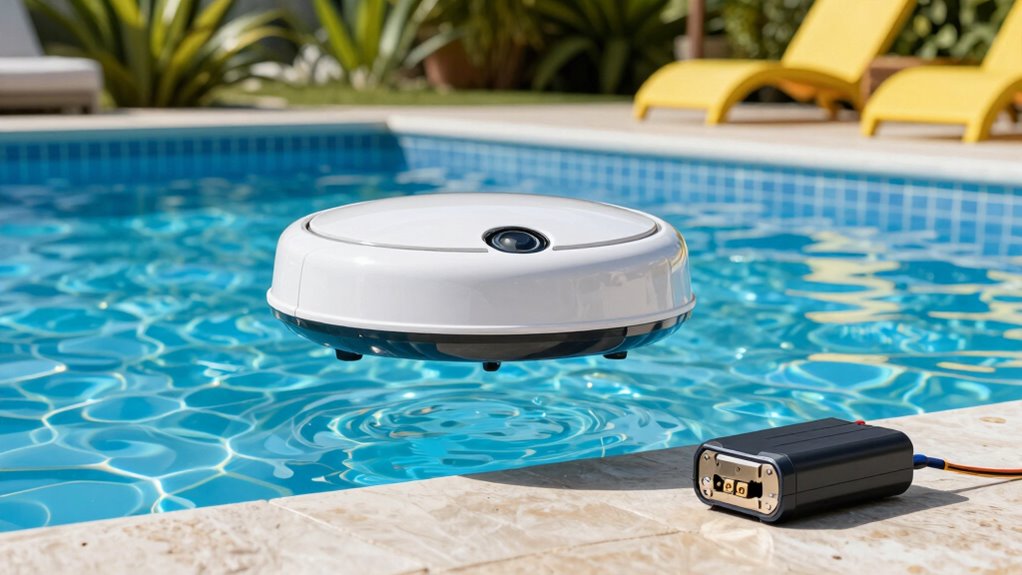
Replacing batteries in cordless pool robots is generally straightforward, but the ease of finding and affording them can vary. You might find compatible replacements through brand comparisons or online retailers. Prices differ based on brand and battery capacity, so shopping around helps you get the best deal. Additionally, consider battery recycling options to dispose of old cells responsibly. Some brands offer dedicated replacement batteries, making it easier to swap out when needed. The table below summarizes key points:
| Brand | Price Range | Availability |
|---|---|---|
| Brand A | $$ | Widely available |
| Brand B | $$$ | Limited, online only |
| Generic | $ | Easy to find, cheaper |
Knowing where and how to buy saves you time and money, ensuring your pool robot stays charged and ready.
Are There Environmental or Safety Concerns With Pool Robot Batteries?

You should consider the potential risks associated with pool robot batteries, especially regarding the materials used in them. Improper disposal or recycling can lead to environmental harm, and safety concerns may arise if batteries are damaged. Being aware of proper handling and disposal methods helps protect both you and the environment.
Battery Material Risks
While cordless pool robot batteries offer convenience, they also raise environmental and safety concerns due to the materials used in their construction. The battery chemistry, often lithium-ion, contains hazardous materials like cobalt and nickel, which pose risks if damaged or improperly handled. These materials can leach into the environment if batteries aren’t disposed of correctly, potentially contaminating water sources. Recycling regulations are designed to mitigate these risks by ensuring proper collection and processing of spent batteries. However, not all recycling processes are equally safe or effective, and improper disposal can lead to environmental harm or safety hazards, such as fires. Being aware of the materials inside your battery and adhering to recycling regulations helps protect both your safety and the environment.
Recycling and Disposal
Are pool robot batteries safe to dispose of or recycle? The answer depends on following proper procedures. Here’s what you need to know:
- Battery recycling is essential to prevent harmful chemicals from polluting the environment.
- Many regions have strict disposal regulations for lithium-ion batteries, including pool robot batteries.
- Always take used batteries to authorized recycling centers rather than throwing them in the trash.
- Improper disposal can cause safety hazards like leaks, fires, or chemical exposure.
How Do Different Brands Compare in Battery Technology?
Different brands of cordless pool robots utilize a variety of battery technologies that considerably impact their performance and reliability. Brand innovation plays a key role, with top companies investing in battery advancements to improve longevity and charging times. Some brands prioritize high-capacity lithium-ion batteries, offering longer runtimes, while others focus on faster recharge capabilities. You’ll notice differences in how quickly the batteries degrade over time and how well they handle frequent use. Leading brands incorporate smart battery management systems that optimize performance and protect against overheating or overcharging. These innovations give certain brands a competitive edge, ensuring your robot runs smoothly and consistently. When comparing brands, pay close attention to their commitment to battery technology, as it directly influences your device’s efficiency and lifespan.
Is It Worth Investing in Extra or Higher-Capacity Batteries?
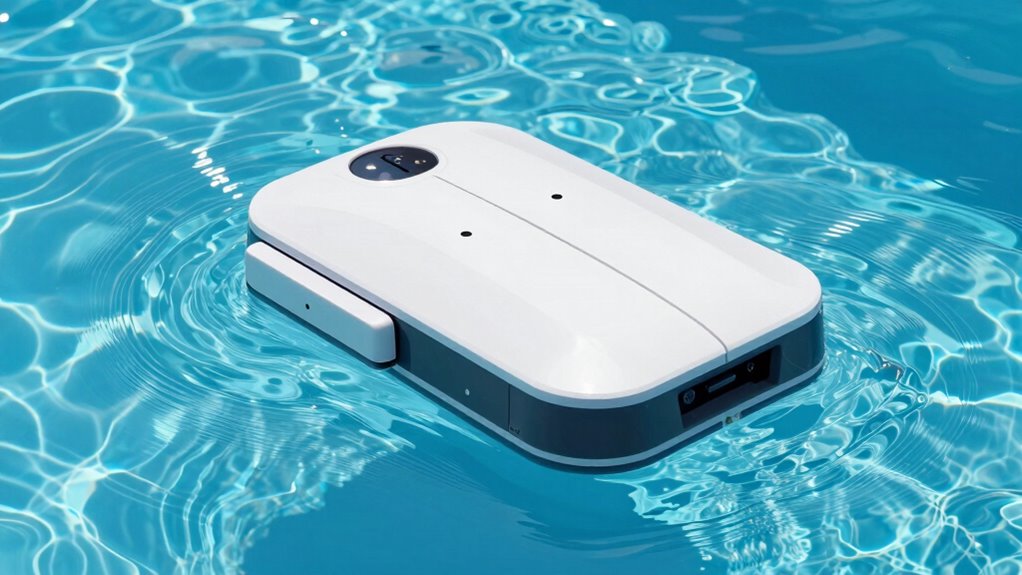
Investing in extra or higher-capacity batteries can substantially extend your cordless pool robot’s runtime, making maintenance less frequent and more convenient. Higher battery capacity means longer cleaning sessions without needing a recharge, saving you time. However, consider these points before buying:
- Increased battery capacity often comes with higher replacement costs.
- Extra batteries can be swapped quickly, reducing downtime during cleaning.
- Upgrading may improve overall efficiency, especially for larger pools.
- Weigh the long-term benefits against the initial investment in replacement costs.
Frequently Asked Questions
Are Cordless Pool Robot Batteries Recyclable or Environmentally Friendly?
Cordless pool robot batteries can be recyclable, but it depends on the type. Many eco-friendly batteries, like lithium-ion, are recyclable through battery recycling programs, reducing environmental impact. You should check if your local recycling centers accept these batteries. Proper battery recycling helps prevent harmful chemicals from polluting the environment. So, always dispose of your pool robot batteries responsibly and look for options that support eco-friendly batteries and sustainable recycling efforts.
What Are the Signs Indicating a Battery Needs Replacement?
When your cordless pool robot’s battery shows signs like reduced runtime, increased charging time, or inconsistent performance, it’s time for a replacement. Pay attention to the battery lifespan—most last around 2-3 years. Replacement indicators include frequent recharging, overheating, or failure to hold a charge. If you notice these signs, don’t wait; substituting the battery ensures your robot continues to clean effectively and safely.
Can Batteries Be Safely Stored During Off-Season Periods?
Yes, you can safely store batteries during off-season periods if you follow proper battery storage guidelines. Make sure your batteries are fully charged before off season preservation, then store them in a cool, dry place away from direct sunlight and extreme temperatures. Regularly check the batteries’ charge levels and recharge if needed. Proper storage helps extend battery life and guarantees your cordless pool robot is ready to go when the season starts again.
How Do Temperature Fluctuations Affect Battery Performance?
Temperature fluctuations can greatly impact your battery’s performance. When it’s hot, your battery drains faster, shortening its lifespan, while cold temperatures can reduce its capacity temporarily. Proper temperature management is crucial to maintain ideal battery health. You should store batteries in a consistent, moderate environment and avoid extreme heat or cold. This way, you preserve your battery’s lifespan and guarantee your cordless pool robot works efficiently whenever you need it.
Are There Warranties or Service Plans for Pool Robot Batteries?
Yes, many pool robot brands offer warranties or service plans that cover battery lifespan and replacement costs. These plans typically protect you from unexpected expenses if your battery’s performance declines prematurely. By opting for these warranties, you guarantee your pool robot stays in top shape longer, saving you money on costly replacements. Always check the warranty details to understand coverage, so you’re prepared if your battery needs replacement down the line.
Conclusion
So, as you navigate the world of cordless pool robots, remember that the battery’s health is key to hassle-free cleaning. It’s funny how a small upgrade or proper maintenance can turn your pool chores into effortless moments. Sometimes, it’s those little choices—like investing in a better battery—that unexpectedly save you time and worry. In the end, a well-maintained battery keeps your pool sparkling and your peace of mind intact, just when you need it most.