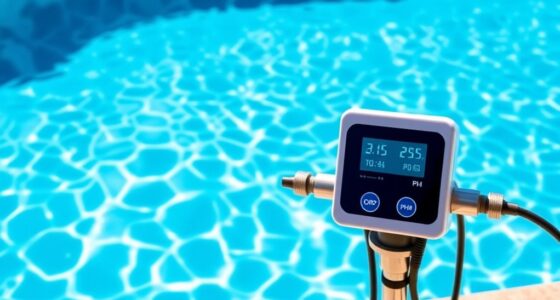

Smart water monitors can be quite accurate in detecting leaks and monitoring usage, but their reliability depends on proper installation, calibration, and environmental factors like dirt or temperature. They use sensors to measure flow and pressure, but external influences and device quality can cause false alarms or missed leaks. To get the most precise results, you need to maintain and position them correctly. Keep exploring how to optimize their performance and guarantee effective water management.
Key Takeaways
- Proper installation and calibration significantly enhance the accuracy and reliability of smart water monitors.
- Sensor sensitivity and placement affect their ability to detect small leaks and flow irregularities.
- External factors like debris, environmental conditions, and power issues can cause false positives or missed leaks.
- Regular maintenance, cleaning, and calibration are essential to maintain measurement precision over time.
- Combining smart monitors with manual inspections and traditional tools offers the most comprehensive water leak detection.
How Accurate Are Smart Water Monitors at Detecting Leaks?
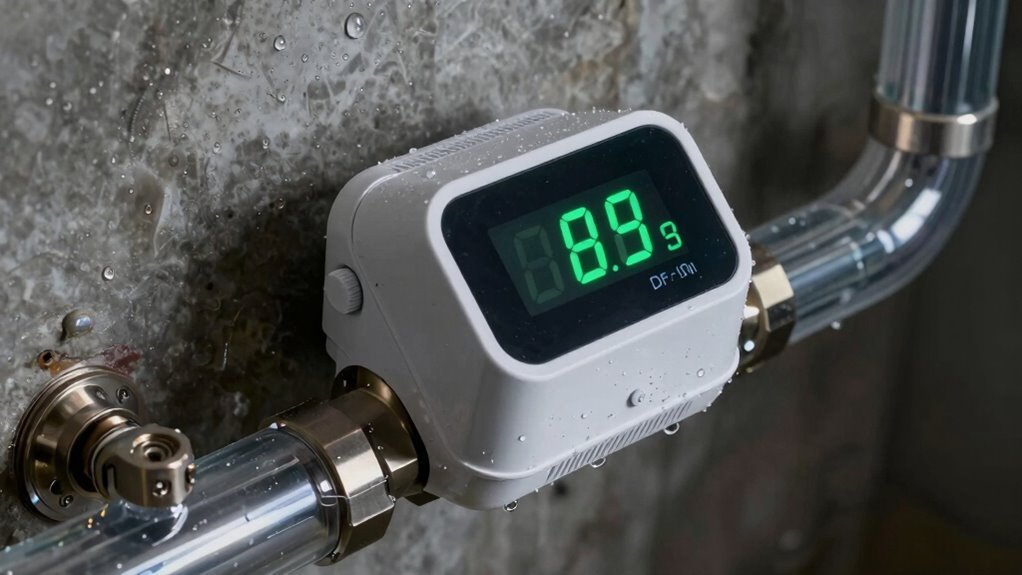
Smart water monitors have become popular tools for detecting leaks early, but their accuracy can vary depending on the device and installation. While they help you identify leaks quickly, their precision isn’t always perfect. Some devices may miss slow drips or small leaks, reducing their effectiveness in water conservation efforts. Accurate monitoring is essential for leak prevention, saving you money and avoiding water damage. Proper installation and calibration play significant roles in improving accuracy. Keep in mind that not all monitors detect leaks at the same sensitivity level, so choosing a reliable device matters. Overall, when properly installed, smart water monitors can be valuable tools to help you conserve water and prevent costly leaks before they escalate. Calibration methods can further enhance their accuracy and reliability, especially when considering sensor sensitivity. Regular maintenance and updates also contribute to maintaining optimal monitor performance, and understanding sensor calibration techniques can help optimize leak detection.
How Do Smart Water Monitors Work and What Do They Measure?
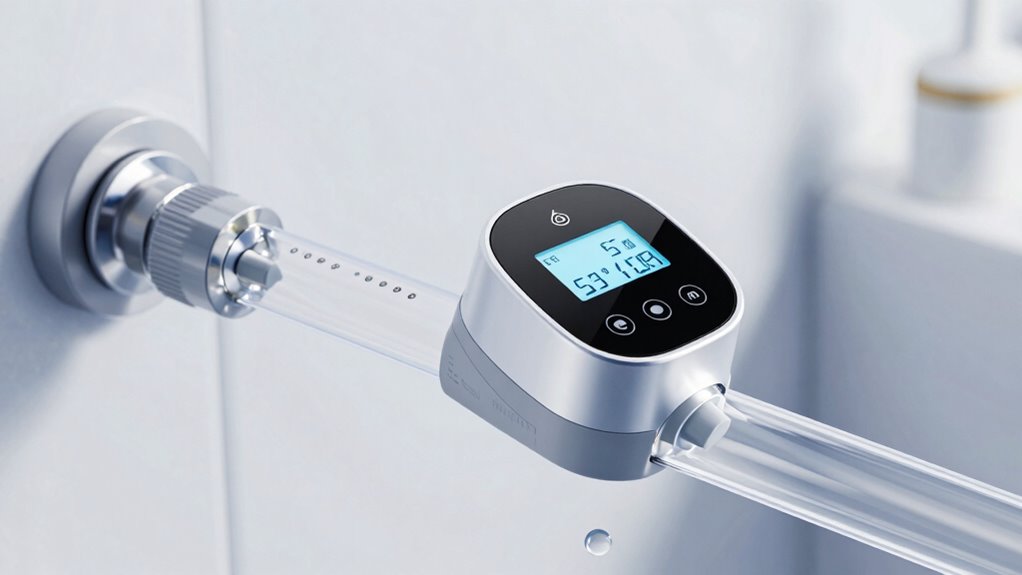
Ever wonder how smart water monitors keep track of your household’s water use? They do this primarily through flow sensors that detect how much water flows through your pipes. These devices measure water pressure to identify changes that could indicate leaks or unusual activity. Flow sensors work by monitoring the rate of water passing through a pipe, providing real-time data on your water consumption. Some monitors also track flow patterns over time, helping you understand when and where water is used most. This data is often processed using advanced algorithms to distinguish between normal and abnormal water use, enhancing leak detection capabilities. sensor accuracy is crucial for detecting even small leaks early and ensuring reliable data. Many models also incorporate machine learning techniques to improve detection over time. By measuring water pressure and flow, smart water monitors give you precise insights into your household’s water habits, helping you save water and catch leaks early.
What Factors Affect the Accuracy of Your Water Usage Data?

Your water usage data can be affected by several factors, like how well the sensors are calibrated and their precision. Water flow variability can lead to inconsistent readings, especially during sudden changes. Additionally, placing your device accurately guarantees it captures data correctly, minimizing errors. Proper maintenance and regular calibration of the device can further improve its measurement accuracy. In environments with Free Floating conditions, external influences such as wind or debris can also impact sensor readings, making proper installation even more critical. Ensuring that sensors are regional flavors and chicory/coffee insights can help maintain consistent data quality in diverse settings. Regularly monitoring and adjusting for sensor drift is also essential to preserve data reliability over time. Moreover, environmental factors like temperature fluctuations can influence sensor performance, so accounting for temperature effects is advisable to ensure ongoing accuracy.
Sensor Calibration Precision
Sensor calibration precision plays a crucial role in guaranteeing accurate water usage data, as several factors can influence a sensor’s ability to provide reliable readings. Proper sensor calibration ensures measurement consistency over time, preventing drift that can skew data. If calibration is off, your water usage readings may become inaccurate, leading to over- or underestimations. Environmental conditions like temperature fluctuations or water quality issues can also impact calibration accuracy. Regularly checking and recalibrating your smart water monitor helps maintain measurement consistency. Some devices include automatic calibration features, but manual calibration may be necessary for others. Environmental factors such as water mineral content and flow rate can significantly affect sensor performance. Additionally, sensor maintenance is essential to address potential issues before they compromise data accuracy. Consistent calibration routines can help mitigate measurement errors caused by environmental or operational changes. Inconsistent calibration can also result in erroneous data, which may affect your water management decisions. For optimal results, it’s important to understand how astrological signs may influence your device’s performance, especially in varying environmental conditions. By prioritizing precise sensor calibration, you ensure your water data remains trustworthy, enabling better management of your water resources and cost savings.
Water Flow Variability
While proper sensor calibration helps guarantee consistent water usage measurements, several factors can still cause variability in the data. Flow rate variability and pressure fluctuations are the main culprits. When flow rates change quickly or unpredictably, your smart monitor may record inconsistent data. Pressure fluctuations caused by pipe conditions or demand surges can also distort readings. Here’s how these factors influence accuracy:
| Factor | Effect |
|---|---|
| Flow rate variability | Causes inconsistent measurement during rapid changes |
| Pressure fluctuations | Skews data during pressure spikes or drops |
| Pipe conditions | Narrow or corroded pipes affect flow stability |
| Water demand spikes | Sudden usage alters flow and pressure readings |
| Temperature changes | Affect sensor performance and flow behavior |
Understanding these factors helps you interpret water data more accurately. Proper sensor calibration remains crucial in mitigating some of these issues and ensuring data reliability.
Device Placement Accuracy
Proper device placement is essential for accurate water usage data because where you install your water monitor directly impacts its ability to measure flow accurately. Poor placement can lead to installation challenges, such as mounting the device in tight spaces or near pipes with irregular flow. Make certain you follow the user setup instructions carefully, selecting a spot with steady, unobstructed flow. Avoid areas with excessive vibrations or rapid temperature changes, as these can skew readings. Positioning the monitor too close to valves or fittings may cause inaccuracies. Take your time during installation to calibrate the device properly and verify it’s firmly secured. Correct placement helps your monitor detect real water usage, providing reliable data essential for managing your water consumption effectively. Additionally, understanding the flow characteristics of your plumbing system can help optimize placement for the most accurate readings. Ensuring proper sensor positioning also minimizes potential measurement errors caused by turbulence or uneven flow patterns. Being aware of the typical water flow rates in your system can further improve placement decisions, ensuring the monitor captures true usage without interference.
Which Smart Water Monitors Are the Most Reliable?
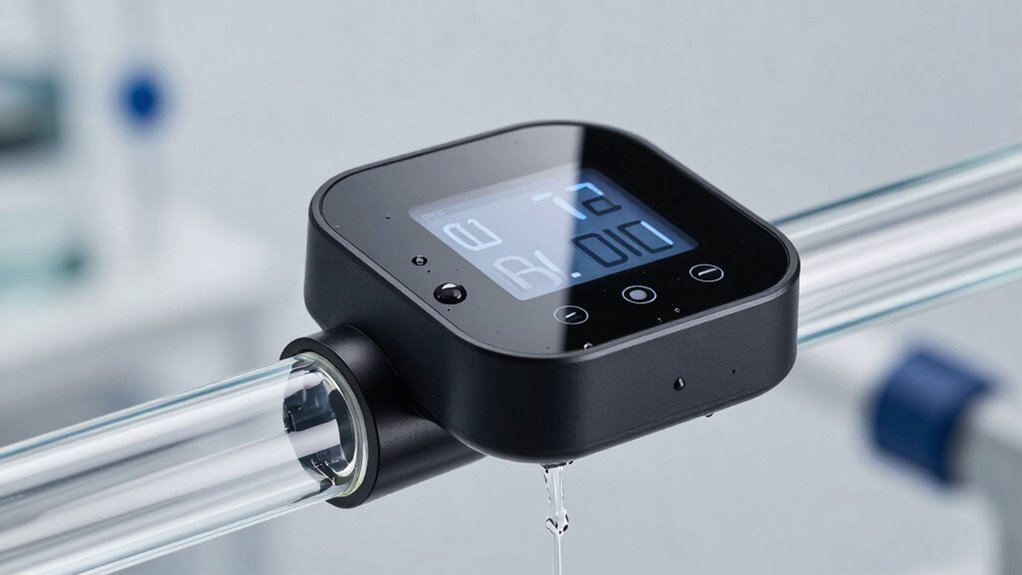
When choosing a smart water monitor, reliability is key to ensuring your system accurately detects leaks and water usage. The most dependable options feature high sensor sensitivity, allowing them to detect even small leaks promptly. Look for monitors that use advanced sensor technology to reduce false alarms and improve accuracy. Equally important is data encryption; reliable monitors protect your data from hacking or unauthorized access, giving you peace of mind. Devices from reputable brands like Flo by Moen, Phyn Plus, and LeakSmart are known for their consistent performance and strong security measures. They integrate seamlessly with smart home systems and offer real-time alerts. Ultimately, a reliable monitor combines precise sensor sensitivity with robust security features to keep your water usage safe and monitored effectively.
What Are the Limitations and Common Errors in Leak Detection?
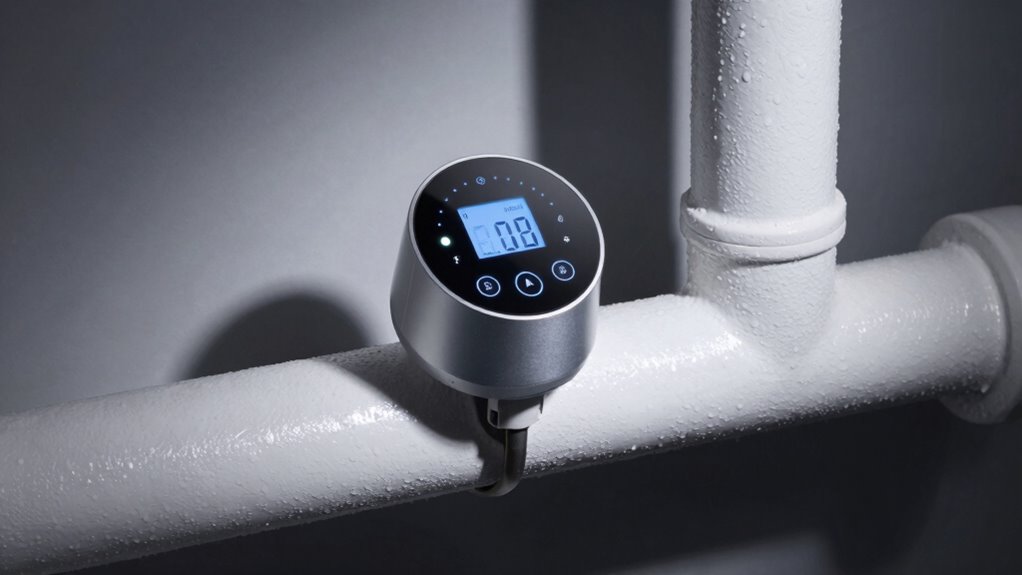
Leak detection systems can face several limitations and common errors that may compromise their effectiveness. Humidity interference can cause false alarms or missed leaks, especially in humid environments. Power supply issues might lead to system outages or inaccurate readings if batteries run low or power cuts occur. Additionally, sensors may malfunction due to dirt, corrosion, or improper installation. Environmental factors like temperature fluctuations can also affect accuracy.
Some key issues include:
- Humidity interference causing false positives
- Power supply disruptions leading to system downtime
- Sensor misplacement or poor calibration
- Environmental conditions affecting sensor performance
- Inconsistent maintenance affecting reliability
Understanding these limitations helps you better troubleshoot and ensure your leak detection system operates effectively and accurately.
How Can You Improve the Accuracy of Your Water Monitoring?
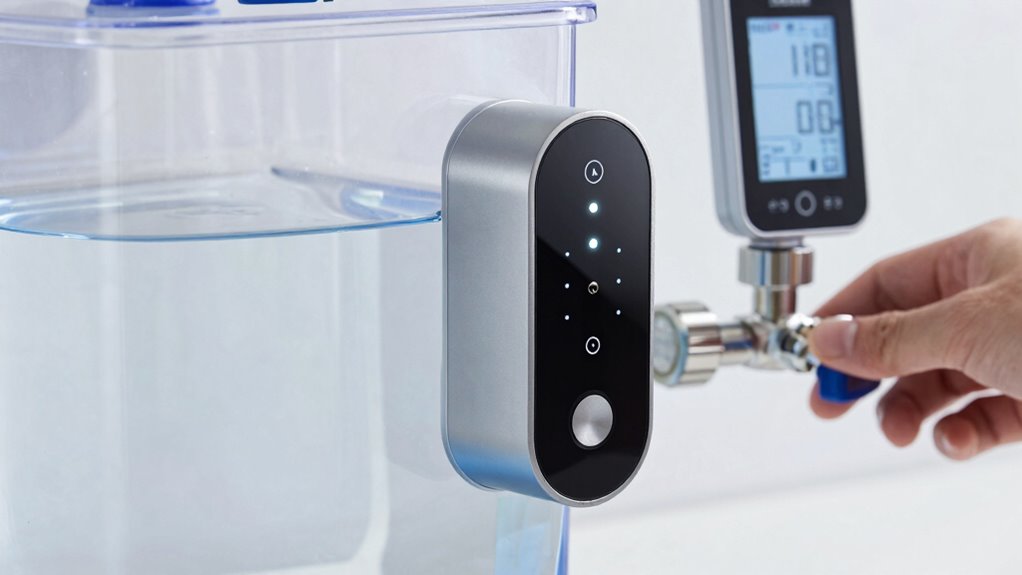
Improving the accuracy of your water monitoring system starts with addressing common issues that can lead to unreliable readings. Regular plumbing maintenance helps prevent leaks and blockages that skew data, ensuring your monitor reflects true usage. Calibrate your device periodically to maintain precision, especially after plumbing repairs or sensor replacements. Keep sensors clean and free of debris, which can interfere with measurements. Proper placement is essential—install monitors where water flow is consistent and unobstructed. Use the following table to identify key areas for improvement:
| Issue | Solution | Benefit |
|---|---|---|
| Faulty sensors | Regular calibration | Accurate readings |
| Debris buildup | Clean sensors regularly | Reliable data |
| Poor placement | Install in ideal locations | Better monitoring |
| Plumbing issues | Routine plumbing maintenance | Water conservation |
Should You Rely Only on Smart Water Monitors or Use Other Methods?

Relying solely on smart water monitors can provide valuable insights, but they shouldn’t be your only method for tracking water usage. To maximize water conservation in your smart home, consider combining monitor data with manual checks and regular inspections. This approach helps catch potential issues like leaks or inaccurate readings. Remember, no device is perfect, and supplementary methods can guarantee more precise water management.
- Perform periodic visual inspections of pipes and fixtures
- Cross-reference monitor data with your utility bills
- Use traditional flow meters during repairs or installations
- Stay informed about common water issues in your area
- Educate yourself on water-saving techniques beyond tech tools
Frequently Asked Questions
Can Smart Water Monitors Differentiate Between Normal and Abnormal Water Usage?
Yes, smart water monitors can differentiate between normal and abnormal usage by analyzing leak detection and usage patterns. They monitor your water flow in real-time, identify irregularities, and alert you to potential leaks or unusual consumption. By understanding your typical usage patterns, these devices help prevent water waste and damage, giving you peace of mind and better control over your water consumption.
How Often Do Smart Water Monitors Require Calibration for Accuracy?
Like tending a well-loved garden, your smart water monitor needs regular sensor calibration to stay precise, typically every 6 to 12 months. This maintenance extends the device lifespan and ensures accurate readings. Neglecting calibration can lead to errors, much like allowing weeds to overrun your carefully tended plants. Keep up with sensor calibration, and your monitor will continue to serve as a vigilant, trustworthy guardian of your water usage.
Are Smart Water Monitors Effective in Detecting Silent Leaks?
Yes, smart water monitors are effective in detecting silent leaks. They continuously monitor water flow for unusual patterns, alerting you to potential leaks early. This leak detection helps you prevent water waste and damage, boosting your water efficiency. By catching leaks promptly, you save money and protect your home. Regularly checking your monitor’s alerts guarantees you stay ahead of hidden issues, maximizing its effectiveness and your peace of mind.
What Maintenance Is Needed to Keep Smart Water Monitors Functioning Accurately?
You need to regularly maintain your smart water monitor to keep it accurate. Coincidentally, guaranteeing sensor calibration is up-to-date prevents false alerts, so check it every few months. Don’t forget battery replacement; a dead battery can cause inaccurate readings. By staying on top of these tasks, you ensure your monitor functions reliably, helping you catch leaks early and save water. Regular maintenance keeps your smart water monitor performing at its best.
Do Smart Water Monitors Work Equally Well in All Types of Plumbing Systems?
Smart water monitors work well in many plumbing systems, but installation compatibility varies depending on your plumbing material and setup. They typically perform best with standard materials like copper or PVC. If your plumbing uses less common materials or complex configurations, you might experience installation challenges or less accurate readings. Always check the monitor’s compatibility with your specific plumbing system to guarantee reliable performance and accurate water usage data.
Conclusion
While smart water monitors are like vigilant sentinels guarding your home’s hidden secrets, they’re not infallible. Think of them as your trusty compass, guiding you through the murky waters of leak detection, but sometimes they might drift off course. To truly safeguard your home, combine their insights with your own keen eye and regular checks. Together, you’ll navigate the currents of water usage with confidence, turning a potential flood into a mere ripple.