
To boost energy efficiency in your Endless Pool, focus on upgrading to a variable speed pump, which adapts to your circulation needs and cuts energy use. Pair it with solar heating systems to harness the sun’s energy and reduce reliance on electric or gas heaters. Proper insulation minimizes heat loss and keeps water warm longer, further lowering costs. Implementing these strategies together makes your pool more sustainable and budget-friendly—discover more ways to optimize your setup below.
Key Takeaways
- Using solar heating systems reduces reliance on electric or gas heaters, lowering energy costs and carbon footprint.
- Proper insulation minimizes heat loss from pool walls, floor, and plumbing, keeping water warm longer.
- Variable speed pumps adjust circulation based on demand, consuming up to 70% less energy than traditional pumps.
- Combining solar heating, insulation, and variable speed pumps maximizes overall energy savings and reduces utility bills.
- A comprehensive system integrating these components creates a sustainable, cost-efficient Endless Pool setup.

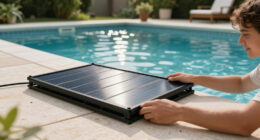
Endless Pools are a popular choice for home fitness enthusiasts, but their energy consumption can notably impact your utility bills. Fortunately, there are ways to make your pool more energy-efficient without sacrificing comfort or performance. One effective method is installing solar heating systems. Solar heating harnesses the sun’s energy to warm your pool water, substantially reducing the need for electric or gas-powered heaters. Not only does this cut down on energy costs, but it also benefits the environment by decreasing your carbon footprint. When combined with proper insulation, solar heating can maintain a comfortable water temperature for longer periods, even during cooler months, without the high operational costs of traditional heating methods.
Another key component to improving energy efficiency is choosing the right pump technology. Variable speed pumps are a game-changer. Unlike single-speed pumps that run at full capacity all the time, variable speed pumps adjust their speed based on your pool’s needs. This means they operate more slowly when less circulation is required, which uses less energy overall. You can program these pumps to run during off-peak energy hours, further reducing costs. Over time, you’ll notice a considerable drop in energy bills because variable speed pumps can use up to 70% less energy than traditional models. They also tend to last longer due to less wear and tear, reducing maintenance expenses.
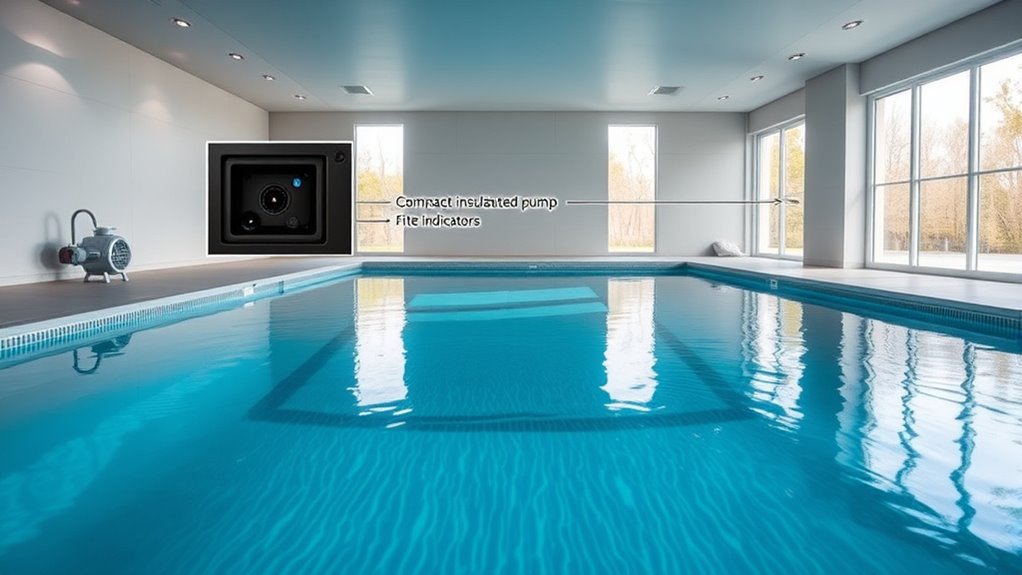
In addition to solar heating and variable speed pumps, proper insulation plays an essential role in optimizing energy efficiency. Insulating your pool’s walls, floor, and plumbing minimizes heat loss, helping to keep the water warm longer without constantly running the heater. Using insulated covers when the pool isn’t in use can trap heat and prevent evaporation, which is a major source of heat loss. This simple step can substantially lower your energy consumption by reducing the workload on your heating system. Proper insulation techniques can further enhance overall efficiency and savings. When combined, these strategies create a comprehensive approach to reducing your Endless Pool’s energy use.

Oswerpon 1.5HP Above/In Ground Pool Pump, 115V/230V 6600GPH Self Priming
- Durable Construction: Commercial-grade reinforced thermoplastic body
- Powerful Copper Motor: High-performance, energy-efficient motor
- Quiet Operation: Optimized impeller and airflow design
As an affiliate, we earn on qualifying purchases.
As an affiliate, we earn on qualifying purchases.
Frequently Asked Questions
How Can I Optimize Pump Settings for Maximum Energy Savings?
To optimize your pump settings for maximum energy savings, start by performing regular pump maintenance to guarantee efficiency. Use energy-efficient filters and clean them frequently to reduce strain on the pump. Set your pump to operate during off-peak hours when electricity costs are lower, and avoid running it unnecessarily. Adjust the flow rate to match your usage, preventing excess energy consumption, and always follow the manufacturer’s guidelines.
What Are the Most Energy-Efficient Heating Options for My Pool?
Your pool’s energy-efficient heating options can save you enough to buy a small island! Solar heating is your best bet—it uses the sun’s free power to warm your pool sustainably. Pair it with energy-efficient covers to minimize heat loss. These covers trap warmth during off-hours, maximizing your solar investment. Together, they create a powerhouse combo that keeps your pool warm while slashing energy bills dramatically.
How Does Insulation Impact Overall Pool Energy Consumption?
Insulation considerably reduces your pool’s energy consumption by minimizing heat loss. Proper insulation installation creates thermal barriers that keep warmth in, lowering the workload on your heater. When you add insulation around your Endless Pool, you’ll notice more consistent water temperature and lower energy bills. Make sure to seal gaps and use high-quality insulation materials to maximize efficiency and enjoy a more cost-effective, comfortable swimming experience.
Are There Smart Technologies to Monitor and Reduce Pool Energy Use?
Yes, you can harness smart sensors and energy monitoring to slash your pool’s energy use dramatically. These cutting-edge technologies constantly track your pool’s performance, alerting you to waste and inefficiency in real-time. Imagine having a digital guardian that fine-tunes your pump and heater settings automatically, saving you heaps on energy bills while keeping your pool perfect. It’s like giving your pool a brain that works overtime to save you money!
What Maintenance Routines Improve Energy Efficiency in Endless Pools?
You should regularly check your pool’s chemical balance to prevent equipment strain and maintain efficiency. Keep the water properly balanced by testing pH, alkalinity, and sanitizer levels weekly. Additionally, maintain your pool cover by cleaning and inspecting it for damage, ensuring it stays effective at heat retention and reducing evaporation. These routines help your pump work less, save energy, and keep your endless pool running smoothly.
Conclusion
By upgrading your pumps, optimizing your heating system, and improving insulation, you can substantially cut your energy bills. Did you know that proper insulation alone can reduce heat loss by up to 50%? That means less energy wasted and more savings in the long run. Making these small changes not only boosts your pool’s efficiency but also helps protect the environment. Take action today and enjoy a more sustainable, cost-effective endless pool experience.