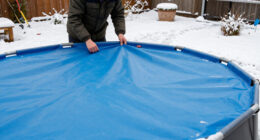
The best pool cover for you depends more on your pool type than on how fancy the product is. Above-ground pools need covers that are easy to install and remove, while in-ground pools require durable, heavy-duty options. Matching the cover to your pool’s size, shape, and seasonal needs guarantees easier maintenance and better protection. Choosing the right cover based on these factors can save you time and hassle in the long run—if you keep exploring, you’ll find out how to get it just right.
Key Takeaways
- Different pool types (above-ground vs. in-ground) require specific cover features for optimal fit and functionality.
- The ease of installation and removal is more critical for above-ground pools than for in-ground pools.
- Durability and material strength are prioritized for in-ground pool covers due to harsher conditions and longer lifespan needs.
- Maintenance routines and chemical management vary significantly based on pool type, influencing the ideal cover choice.
- Climate and seasonal factors impact cover performance, making pool type a key determinant for selecting the most appropriate cover.
Are you unsure which type of pool cover is best for your swimming pool? The truth is, choosing the right cover isn’t just about the product’s price or brand; it depends heavily on your pool’s specific type and how you maintain it. Different pools require different maintenance routines, and that directly influences which cover will serve you best. For example, an above-ground pool needs a cover that’s easy to install and remove, while in-ground pools might benefit from heavier, more durable options. The key is to match the cover to your pool’s size, shape, and usage patterns, so you don’t end up with a product that’s more of a hassle than a help.
Your maintenance routines play a significant role here. If you prefer quick cleanups and minimal upkeep, you’ll want a cover that reduces debris accumulation and keeps your water cleaner longer. A good cover can simplify your routine, but if it doesn’t align with your pool type, it might lead to more work in the long run. For instance, some covers are designed to trap leaves and dirt efficiently, but they may not be suitable for pools that require frequent chemical balancing. On the other hand, a cover that’s too cumbersome to remove might discourage regular use, leading to neglected maintenance routines and potential water quality issues. Understanding proper chemical balancing is crucial to ensure your pool remains healthy regardless of the cover type. Additionally, selecting a cover that complements your climate and seasonal needs can help extend its lifespan and effectiveness. Being aware of your pool type can also influence your choice, especially when considering how each interacts with environmental factors and maintenance habits.
Chemical balancing is another factor to evaluate when choosing a pool cover. Different pool types and covers interact uniquely with chemicals. For example, covers that trap heat can cause your water temperature to rise, impacting how often you need to adjust chlorine or pH levels. If your pool is in a climate with lots of debris, you might need a cover that allows for easier chemical adjustments without removing the entire cover. Conversely, a heavy-duty cover designed for winter might lock in chemicals and heat more effectively, but could also require more effort to maintain proper chemical levels during the off-season. Pool chemical management is essential to keep your water safe and balanced, regardless of the cover you select. Additionally, understanding the type of pool you have can help determine which cover will best support your chemical management routine.
Ultimately, the “best” pool cover isn’t a one-size-fits-all solution. It hinges on your pool’s specific type and your commitment to maintenance routines and chemical balancing. When you choose based on these factors, you’re more likely to find a cover that not only protects your pool but also makes your maintenance easier. This tailored approach saves you time, effort, and money, ensuring your pool stays crystal clear and inviting all season long.
above ground pool cover easy install
As an affiliate, we earn on qualifying purchases.
As an affiliate, we earn on qualifying purchases.
Frequently Asked Questions
How Do I Determine My Pool’s Specific Type?
To determine your pool’s specific type, start by examining the pool material—whether it’s concrete, vinyl, or fiberglass—since each has unique features. Check the installation process used, like in-ground or above-ground setups, which also helps identify the type. Consider the pool’s shape and size, as well as how it was built, to confirm its category. This understanding guides you toward the right maintenance and accessories for your pool.
Are Certain Pool Types Better for Specific Climates?
Imagine a desert oasis versus a lush rainforest—your pool’s material and climate suitability matter. Fiberglass pools thrive in hot, dry climates, resisting cracking. Meanwhile, vinyl pools suit cooler, humid areas, thanks to flexibility. Choosing the right pool type is like matching a swimsuit to the weather—skip it, and you risk a soggy, cracked mess. So, pick based on your climate to keep your pool looking perfect all year round.
Can I Convert My Pool to a Different Type Later?
Yes, you can convert your pool to a different type later, but it involves significant considerations. Changing the pool material may require extensive demolition and new installation, leading to high installation costs. For example, switching from a vinyl liner to concrete involves tearing out the old pool and installing new materials. Be prepared for these costs and logistical challenges, and consult with professionals to assess feasibility and plan the conversion properly.
What Maintenance Differences Exist Between Pool Types?
You’ll notice that maintenance varies considerably by pool type. For example, saltwater pools require less chemical balancing, making upkeep easier, while vinyl pools need careful attention to prevent liner tears. Equipment durability also differs; concrete pools have more robust systems but may need more frequent cleaning. Regularly checking chemical balance and maintaining equipment are essential to keep your pool in top shape, regardless of type.
How Does Pool Size Impact the Best Pool Type Choice?
Your pool size influences your best pool type choice because larger pools often require more durable materials and specific shapes for stability. For instance, a bigger, irregular-shaped pool benefits from sturdy materials like concrete or gunite, which withstand wear and tear. Smaller pools can be made from lighter, less durable materials. So, consider your pool’s size, shape, and material durability to pick the right type that matches your needs and longevity expectations.
Conclusion
Ultimately, choosing the best pool type isn’t about chasing the highest tier or the flashiest features—it’s about matching your pool to your lifestyle. When you pick the right fit, you’ll find your backyard transforming into a personal paradise, rivaling the beauty of a resort. Remember, the perfect pool isn’t just a luxury; it’s a game-changer that elevates your entire outdoor experience. So, choose wisely, and let your pool become the crown jewel of your home.