To fix pool steps and ladder anchors, start by inspecting all hardware for corrosion, damage, or looseness. Tighten or replace rusted or broken bolts with corrosion-resistant stainless steel parts. Remove old anchors carefully, then install new anchors flush with the wall and seal properly. Reinforce wobbly steps and make certain they’re level and securely attached. Regular maintenance and precautions help prevent future issues—continue exploring how to guarantee a safe and sturdy setup.
Key Takeaways
- Inspect pool steps and ladder anchors regularly for corrosion, cracks, or looseness, and address issues promptly.
- Replace rusted or broken hardware with stainless steel components for durability and corrosion resistance.
- Tighten loose bolts and screws with a wrench, ensuring all hardware is secure and stable.
- Remove old or damaged anchors by drilling out rusted parts and install new anchors flush with the wall surface, sealing as needed.
- Test the stability of repaired components by applying gentle pressure, and reinforce or reattach as necessary for safety.

Ever wondered how to restore safety and stability to your pool’s steps and ladder anchors? If your pool has seen better days, addressing these issues is vital for maintaining pool safety and guaranteeing everyone’s peace of mind. Over time, wear and tear can cause your steps to become loose or unstable, posing a hazard to swimmers. Luckily, fixing these problems doesn’t require professional help; with some basic tools and maintenance tips, you can restore your pool’s safety and extend its lifespan.
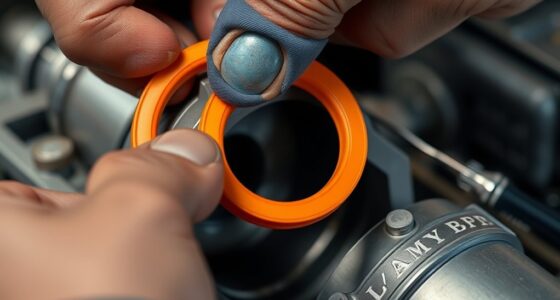
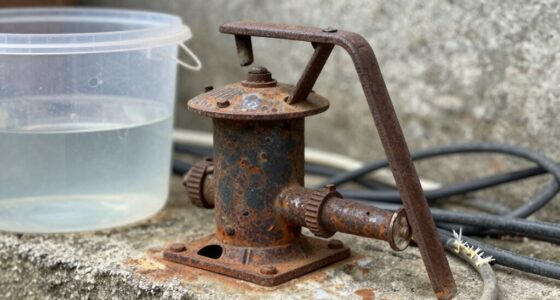
Start by inspecting your pool steps and ladder anchors thoroughly. Look for any signs of corrosion, cracks, or looseness. If your ladder’s mounting hardware is rusted or damaged, replace it promptly. Check the bolts and screws securing the steps to the pool deck or wall; if they’re loose, tighten them with a wrench. Sometimes, corrosion or stripped threads mean you’ll need to remove and replace the hardware altogether. When doing this, use stainless steel replacements, as they resist rust better and guarantee long-term stability. This simple step is vital for maintaining pool safety and preventing accidents.
Next, examine the anchors that secure the ladder or steps to the pool wall. If these anchors are loose or damaged, you’ll want to tighten or replace them. Removing the old anchors may involve drilling out rusted or broken hardware. Clean the area thoroughly before installing new anchors, ensuring they’re flush with the wall surface. Use a waterproof sealant around the anchors if recommended, which helps prevent water intrusion and corrosion. Properly secured anchors provide the foundation needed for safe entry and exit, making your pool safer for everyone. Regular inspection and maintenance of these components can help catch issues early before they become hazards.
If your steps are wobbly or shifting, consider reinforcing them with additional brackets or supports. Some pools have removable steps that can be adjusted or replaced entirely. When replacing or tightening steps, ensure they’re level and firmly attached. Applying a silicone-based sealant around joints can help prevent water infiltration and reduce corrosion. In addition, using corrosion-resistant hardware designed specifically for pool environments enhances durability. Regular maintenance tips include periodically checking hardware, cleaning debris from around the anchors, and applying protective coatings to metal parts. These small, consistent efforts greatly improve pool safety and reduce long-term repair costs.
Finally, don’t forget to test your repairs by gently applying pressure to see if everything holds firm. If anything feels loose, tighten or replace as needed. Keeping your pool’s steps and ladder anchors in top condition is key to ensuring safe swimming and avoiding accidents. With these maintenance tips, you can confidently keep your pool safe, functional, and enjoyable for years to come. Remember, proactive care saves money, time, and potential injuries down the line, making your pool a safe haven for all swimmers. Regularly consulting pool maintenance guides can provide additional tips for ongoing upkeep.
Frequently Asked Questions
How Often Should Pool Step and Ladder Anchors Be Inspected?
You should inspect your pool step and ladder anchors at least once a month as part of your maintenance schedule. Regular inspections are essential for pool safety, ensuring that all parts are secure and in good condition. Look for rust, cracks, or loose fittings, and tighten or replace any damaged components promptly. Consistent checks help prevent accidents and keep your pool safe and enjoyable for everyone.
What Tools Are Needed for Fixing Pool Step Anchors?
You’ll need a wrench or socket set to loosen and tighten bolts during pool anchor maintenance. A screwdriver is essential for removing screws, and a drill can speed up the process if you’re dealing with stubborn fasteners. Also, have replacement anchors, epoxy or waterproof adhesive, and a level on hand for precise repairs. These DIY repair tips guarantee your pool steps stay secure and safe.
Can I Replace Only the Damaged Parts Instead of the Entire Ladder?
You can definitely substitute only the damaged parts instead of the entire ladder. Modular replacement makes this easy, allowing you to swap out broken components without full removal. Focus on anchor repair first, as fixing or replacing just the faulty parts keeps costs low and effort minimal. This approach ensures your pool remains safe and functional, while you save time and money by avoiding unnecessary replacements.
Are There Safety Precautions to Consider During Repair?
Yes, there are safety precautions to take during repair. You should always disconnect power to any electrical components, wear protective gloves and eye gear, and make sure the pool area is dry to prevent slips. Focus on maintaining pool safety by securing all parts properly before use, and double-check your work. Follow manufacturer’s instructions closely, and take your time to avoid accidents, ensuring the repair process is safe for everyone.
How Long Does It Typically Take to Complete These Repairs?
You might find that the repair duration surprisingly varies, often depending on your experience and the extent of damage. Typically, timing estimates suggest it takes about 2 to 4 hours to fix pool steps and ladder anchors. Keep in mind, unexpected issues can extend this timeline. Planning for a half-day window allows you to complete the repairs comfortably, ensuring safety and proper installation without feeling rushed.
Conclusion
Now that you know how to fix your pool steps and ladder anchors, you’re ready to guarantee safety and stability. Did you know that proper pool equipment maintenance can reduce accidents by up to 70%? Regular checks and quick repairs keep your pool safe for everyone. So, stay proactive, follow these steps, and enjoy a worry-free swimming season. With a little effort, your pool will stay secure, inviting, and safe all year round.