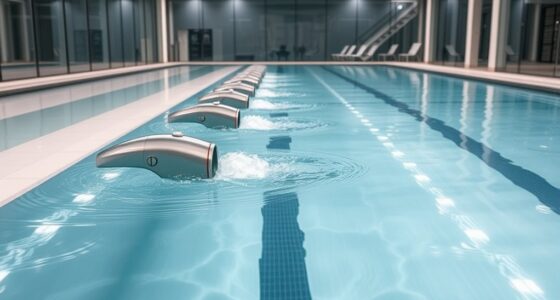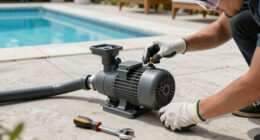
A variable-speed pump is worth it because it adjusts its power based on your system’s demand, which saves energy and lowers your bills over time. It reduces wear and tear, extending the pump’s lifespan and cutting maintenance costs. Plus, it guarantees consistent pressure and smoother operation, preventing damage and reducing noise. If you want to understand how these benefits add up and why investing now pays off, keep exploring the advantages.

Get pool and patio gear delivered free — and shop member deals
- Fast, free delivery on millions of items
- Access to Prime Big Deal Days deals on October 6–7
- Prime Video, Amazon Music and more included
Key Takeaways
- Energy savings and reduced operational costs justify the higher initial investment over time.
- Maintains consistent system pressure, improving reliability and preventing damage from fluctuations.
- Extends equipment lifespan by reducing wear and tear through optimized operation.
- Enhances system control for smoother performance and minimizes noise and pressure-related issues.
- Provides valuable data for system monitoring, enabling informed decisions and further efficiency improvements.
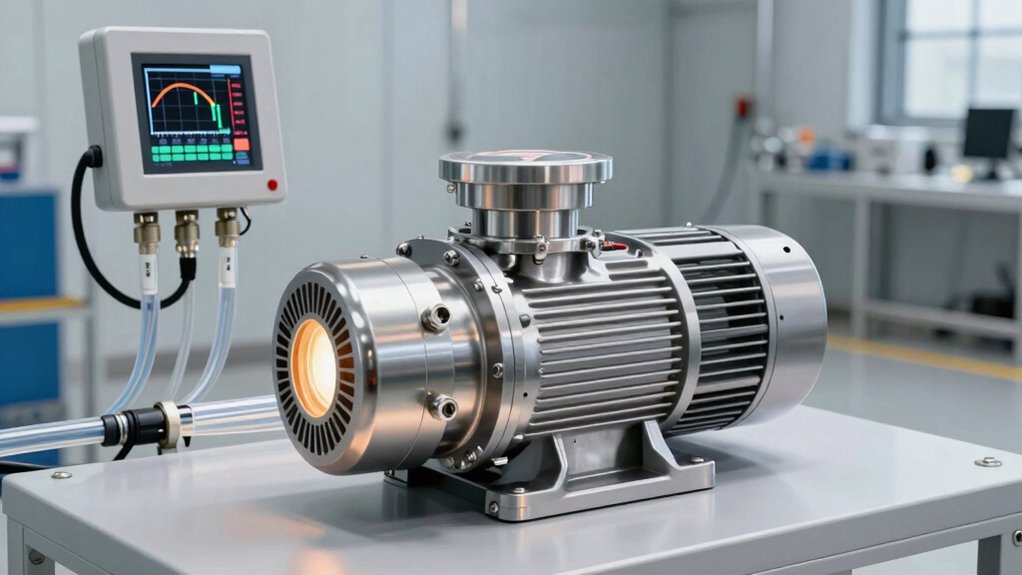
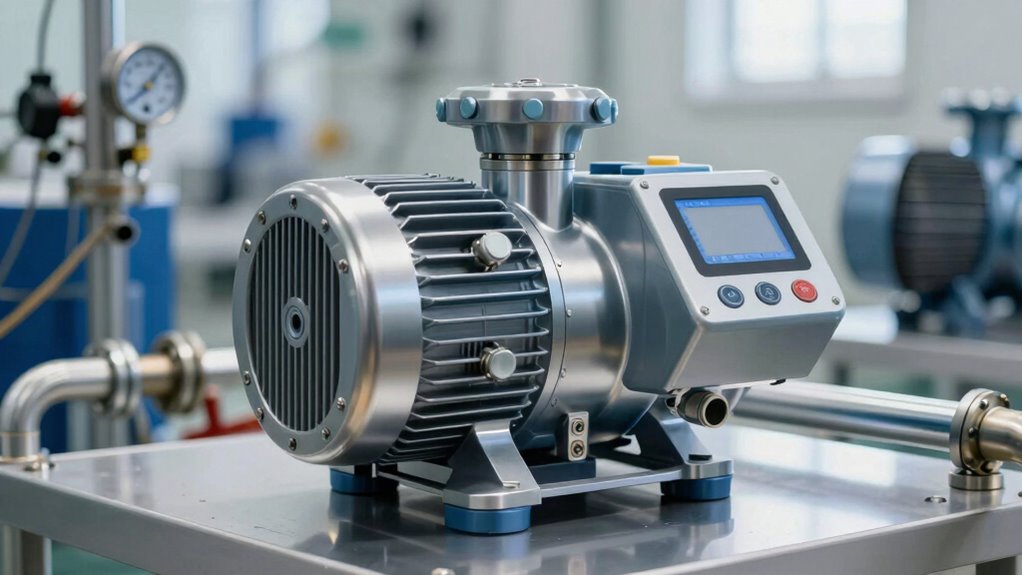
Have you ever wondered how to improve energy efficiency and reduce operational costs in your pumping system? If so, investing in a variable-speed pump could be the game-changer you need. Unlike traditional fixed-speed models, these pumps adjust their speed according to your system’s demand, meaning they don’t run at full capacity when it’s not necessary. This adaptability translates into significant energy savings, which becomes especially noticeable over time. You’ll find that your energy bills drop because the pump only uses as much power as needed to handle the current load. This not only conserves electricity but also reduces wear and tear on the equipment, extending its lifespan and decreasing maintenance costs.
One concern that often comes up with variable-speed pumps is the installation costs. Yes, they tend to be more expensive upfront than standard pumps. However, it’s essential to look at the bigger picture. The initial investment often pays for itself through energy savings and lower operational expenses. When you factor in the reduced energy consumption, fewer repairs, and increased system reliability, the total cost of ownership becomes more favorable. Plus, many jurisdictions offer incentives or rebates for upgrading to energy-efficient systems, which can help offset the higher installation costs. Over the long run, these pumps usually prove to be a smart financial decision, especially if your facility operates continuously or has variable demand.
Another reason why a variable-speed pump is worth considering is its ability to enhance system control and stability. With traditional pumps, you might experience fluctuations in pressure or flow, which can cause inefficiencies or even damage to other components. Variable-speed technology allows for smoother operation, maintaining consistent pressure regardless of fluctuating demand. This precise control means your process runs more reliably, reducing downtime and improving overall system performance. Additionally, because these pumps can ramp up or down gradually, they minimize water hammer and other pressure-related issues that can cause noise and wear. Modern smart appliances can further optimize your system, making the integration of variable-speed pumps even more beneficial. Incorporating advanced control systems can also help monitor and fine-tune your pump’s operation for maximum efficiency. Furthermore, understanding the energy-saving benefits of these pumps can help justify their higher initial cost to stakeholders. Moreover, the integration of smart controls can lead to even greater efficiency and operational insights, ensuring your system remains optimized over time. Recognizing the importance of system efficiency can help you make a more informed decision about upgrading your equipment.
As an affiliate, we earn on qualifying purchases.
Frequently Asked Questions
How Long Do Variable-Speed Pumps Typically Last?
A variable-speed pump typically lasts between 5 to 10 years, depending on your maintenance habits and durability factors like water quality and usage frequency. You can extend its lifespan by regularly servicing it, keeping the system clean, and ensuring proper electrical connections. Proper installation and avoiding overworking the pump also boost durability, helping you get the most out of your investment and ensuring reliable performance over the years.
Are There Specific Brands Known for Reliable Variable-Speed Pumps?
Some brands are known for reliable variable-speed pumps, thanks to strong reputation and consistent performance. You’ll find that brands like Grundfos, Pentair, and Davey stand out for durability and efficiency. While they may cost more upfront, their better brand reputation often means fewer repairs and longer lifespan. When doing a cost comparison, investing in a trusted brand can save you money and hassle in the long run, making it worth the initial investment.
Can Existing Systems Be Easily Upgraded to Include Variable-Speed Pumps?
Yes, existing systems can often be upgraded to include variable-speed pumps, but you need to check system compatibility first. Some systems might require additional components or controls, which can pose upgrade challenges. You should consult a professional to evaluate your current setup and guarantee the pump integrates seamlessly. While upgrades are generally feasible, careful planning helps avoid unexpected issues and guarantees peak performance.
What Maintenance Is Required for Variable-Speed Pumps?
Think of your variable-speed pump as a finely-tuned orchestra—requiring careful maintenance to stay harmonious. You’ll need to regularly check pump calibration to guarantee peak performance and energy efficiency. Keep an eye out for noise reduction, as it often signals wear or imbalance. Routine inspections, cleaning filters, and addressing any unusual sounds help prevent breakdowns, keeping your system running smoothly and extending the pump’s lifespan.
Do Variable-Speed Pumps Qualify for Energy Efficiency Rebates?
Yes, variable-speed pumps often qualify for energy efficiency rebates because they considerably cut energy consumption through optimized performance. By reducing energy use, they deliver better energy savings, making them attractive for rebate programs. To confirm rebate eligibility, check with local utility providers or government programs. Installing a variable-speed pump not only boosts efficiency but can also lead to substantial savings on your energy bills, making it a smart investment.
Conclusion
In the end, investing in a variable-speed pump is often a game-changer. It allows you to tailor performance precisely to your needs, saving energy and reducing wear and tear. Sure, the initial cost might give you pause, but it’s a classic case of getting more bang for your buck in the long run. When it comes to efficiency and longevity, it’s well worth the effort—proving that sometimes, you’ve got to spend a little to save a lot.
Fall Picks
fall essentials
As an affiliate, we earn on qualifying purchases.