TL;DR

Get pool and patio gear delivered free — and shop member deals
- Fast, free delivery on millions of items
- Access to Prime Big Deal Days deals on October 6–7
- Prime Video, Amazon Music and more included
A Country Living gardening report describes how gardeners can propagate seven plants from fall cuttings for planting the following spring: rosemary, lavender, geraniums, fuchsia, basil, mint and coleus. Woody and semi-woody stems generally need a moist, well-drained growing mix, while soft stems can root in water; success and timing depend on plant care and local conditions.
Country Living has published a fall propagation guide describing how gardeners can grow seven familiar plants from cuttings instead of buying new ones for next season. The report covers rosemary, lavender, geraniums, fuchsia, basil, mint and coleus, with instructions for rooting some stems in a growing mix and others in water.
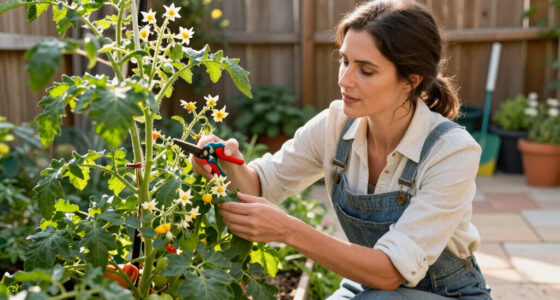
The report divides the plants by propagation method. For woody and semi-woody stems, including rosemary, lavender, geraniums and fuchsia, it recommends taking nonflowering pieces about 3 to 5 inches long. Remove leaves from the lower part of each stem and most of the top foliage, dip the cut end in water and rooting hormone, then insert it into a pot filled with a fast-draining growing mix. The guide says ordinary potting soil is too dense for this method.
After watering, cover the pot with a clear cover or plastic bag to hold moisture. The guide advises removing the cover after about a week, watering consistently and checking after a few weeks for gentle resistance when a stem is tugged, which can indicate roots have formed. It recommends keeping the cuttings sheltered and protecting them from freezing temperatures; in colder climates, they can be kept indoors in bright, indirect light and planted outside in spring after frost risk has passed.
For soft-stemmed plants—basil, mint and coleus—the report describes a simpler water method: place a stem in a jar, with leaves removed from the portion below the waterline. Once roots have formed, transfer the cutting to a container of potting mix, keep the soil moist and set it near a bright window or in a sunroom. The guide says to wait until frost danger has passed before planting these starts outdoors.
Cuttings Can Stretch Garden Budgets
Taking cuttings offers gardeners a way to multiply plants they already own and keep preferred varieties for the next growing season. The approach may reduce the need to purchase replacements, though the source gives no cost estimate or guarantee that every cutting will root. It also provides a practical reason to save selected stems while clearing faded growth and preparing beds and containers for colder weather.
The methods are not identical: some plants need a controlled, moist growing medium and rooting hormone, while others can begin in water. Knowing which approach the guide recommends helps readers avoid treating all cuttings the same. Results can still vary with plant health, indoor conditions and climate.
As an affiliate, we earn on qualifying purchases.
Two Methods for Fall Propagation
The report frames fall as an opportunity to take cuttings while many garden plants remain healthy, even as flowering and outdoor growth begin to slow. Master Gardener Rhonda Fleming Hayes, author of Garden for Life: Strategies for Easier, Greener, More Joyful Gardening as We Age and the Substack The Garden Buzz, is quoted explaining the value of doing this before the garden fully winds down.
For soil propagation, the source suggests a sharply draining mix and says Hayes recommends an 80/20 mix of perlite and other materials, such as sand or compost. For water propagation, the key practical step is keeping leaves out of the water and waiting for roots before moving the cutting into potting mix. The timing of outdoor planting depends on frost conditions where the gardener lives.
“The garden may be winding down, but now’s the time to think about taking cuttings.”
— Rhonda Fleming Hayes, Master Gardener and author
Rooting Results Depend on Conditions
The report does not give success rates, rooting times for each plant or a cost comparison with buying nursery plants. Its general advice to check for roots after a few weeks is not a guarantee that every stem will take. It also does not specify exact temperature or humidity targets, which can affect results indoors and outdoors.
Local climate matters to the timing: the guide advises protecting cuttings from freezing and delaying outdoor planting until frost risk has passed, but that date varies by location. Gardeners should also check whether a particular plant is suitable for their growing conditions; the source does not offer region-specific advice.
Keep Cuttings Through Winter
Gardeners following the guide can take suitable cuttings in fall, monitor them for root growth and keep rooted plants protected through colder weather. Those grown indoors should receive bright, indirect light, while soil-based cuttings need consistent watering and protection from freezing. The next outdoor step is to plant them after the local threat of frost has passed.
The source does not identify a follow-up study or later milestone. Whether the cuttings establish successfully will become clear as they develop over winter and resume growth in spring.
Key Questions
Which seven plants does the fall-cutting guide cover?
It lists rosemary, lavender, geraniums, fuchsia, basil, mint and coleus.
Which cuttings can be rooted in water?
The report recommends water propagation for the soft-stemmed plants basil, mint and coleus. Remove leaves from the section of stem that will sit below the waterline, then move the cutting to potting mix after roots form.
Which plants should be started in a growing mix?
The guide groups rosemary, lavender, geraniums and fuchsia with woody or semi-woody cuttings. It recommends a fast-draining mix, rooting hormone and a humid covered start.
When can rooted cuttings be planted outside?
The report says to wait until the threat of frost has passed. The timing varies by location, and soil-based cuttings should be kept sheltered and protected from freezing before then.
Source: rss
Halloween Picks
halloween
As an affiliate, we earn on qualifying purchases.