
TL;DR

Get pool and patio gear delivered free with Prime
- Fast, free delivery on millions of items
- Prime Video, Amazon Music and more included
- Member-only deals all year
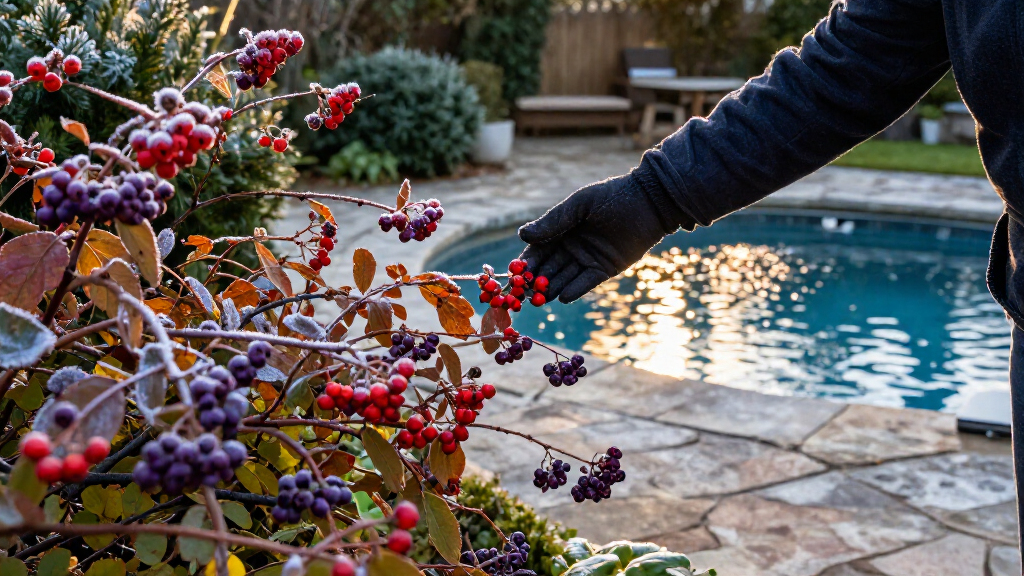
Country Living published a guide to seven shrubs that can bring berries and color to gardens in winter. Its list includes winterberry holly, juniper, red chokeberry, snowberry, viburnum, beautyberry and Pyracomeles; berry production, size and climate suitability vary by plant.
Country Living has published a guide to seven berry-producing shrubs that can add color and wildlife interest to gardens through winter. The recommendations range from native deciduous plants such as red chokeberry and snowberry to evergreen juniper and a warm-climate hybrid, with the report advising gardeners to check plant descriptions for pollination needs, mature size and growing conditions.
The list includes winterberry holly (Ilex verticillata), whose red or pale-gold fruit can remain on branches through winter. The report says birds eat the berries and deer generally avoid the shrub. Some varieties, including ‘Berry Poppins,’ are more compact. Many hollies need both a male and a female plant for fruit production, so buyers should check a cultivar’s pollination requirements.
Junipers (Juniperus spp.) are evergreen and may produce blue seed cones, often called berries, that appeal to birds such as cedar waxwings. The report cautions that some varieties do not produce cones and that many junipers have separate male and female plants. It also recommends red chokeberry (Aronia arbutifolia), a native shrub with spring flowers, red fruit and vivid fall foliage; it can tolerate heat, drought and poor soil.
The other choices are snowberry (Symphoricarpos), with white or pink fruit; viburnum, a broad group with varying berry colors and sizes; and beautyberry (Callicarpa spp.), known for purple fruit. The list’s final option, Pyracomeles, is an evergreen hybrid suited to warm climates. The ‘Berry Box’ variety has white spring flowers, orange berries in fall and red berries in winter, according to the report.
Choosing Shrubs for Winter Color
Winter berries can provide visible color after many garden plants have lost their leaves, while some fruit also serves as food for birds. The seven options differ substantially: some are deciduous, others evergreen; berry colors include red, blue, white, pink, purple and orange. That variety gives gardeners choices for different landscape styles, but it also means a plant’s appearance and wildlife value depend on selecting a suitable species or cultivar.
The guide’s practical cautions matter as much as its color suggestions. A shrub that needs a pollinating partner may not fruit if planted alone, and a vigorous viburnum may outgrow a small yard. Checking mature dimensions, local climate suitability and pollination details before purchase can help avoid those mismatches.
Products Worth Considering

Philips Hue Festavia Outdoor Globe String Lights, 8 Bulbs, 22 ft

Samsung 55-Inch Neo QLED 4K TV with WireLogic 8-Foot Ultra High Speed HDMI Cable

Roborock Q7 M5+ Robot Vacuum and Mop with Self-Emptying Dock
As an affiliate, we earn on qualifying purchases.
What the Seven Shrubs Offer
The source is a Country Living gardening report, not a research study or a comparative trial. It presents plant descriptions and examples of cultivars, including compact winterberry holly ‘Berry Poppins,’ blue-coned juniper ‘Alpine Carpet,’ and viburnums ‘Sparkler’ and ‘Glitters & Glows.’ It also identifies American beautyberry (Callicarpa americana) as an option for a Southeastern native garden.
The shrubs do not all fruit at the same time or under the same conditions. The report describes several as carrying fruit into winter, while Pyracomeles is specifically presented as suited to warm climates. Its broad recommendations should not be read as a guarantee that every named plant will thrive or fruit in every location.
Local Growing Conditions Matter
The source material does not give a publication date, regional planting zones, or detailed care instructions for each shrub. It also does not provide independent data comparing berry persistence, wildlife use or performance. Exact requirements can differ among species and cultivars, especially within the large viburnum and juniper groups.
Gardeners should confirm local suitability and mature size with a regional nursery or extension service. The report says many hollies and junipers have separate male and female plants, but requirements vary; it does not specify pollination partners for every variety. It says beautyberry does not need a pollinator to set fruit.
Check Labels Before Planting
The immediate next step for readers considering the list is to compare the plant label or supplier description with their garden’s climate, available space and intended use. Confirm whether the selected cultivar needs a pollinator, how large it is expected to grow, and whether it is suited to local conditions.
The source does not announce a follow-up report or a planting schedule. Any advice on timing should come from local growing guidance, since planting conditions vary by region.
Key Questions
Which shrubs in the list have red winter berries?
Winterberry holly can have red or pale-gold berries, while red chokeberry has red fruit. The ‘Berry Box’ Pyracomeles is described as producing bright red berries in winter.
Do winterberry holly plants need a pollinator?
Many winterberry hollies need both a male and a female plant to produce berries. Check the description of the specific variety and its recommended pollination partner before buying.
Are juniper berries actual berries?
No. The blue structures described on junipers are small seed cones, although they are often called berries. The report says birds such as cedar waxwings eat them.
Which shrubs are presented as suitable for compact gardens?
The report names dwarf winterberry holly ‘Berry Poppins’ and says some newer viburnum cultivars stay more compact, reaching about 5 feet tall and wide. Check the mature-size information for the exact plant you plan to buy.
Source: countryliving.com