To smartly combine dining, lounging, and swimming zones, plan your layout with clear pathways and natural landscaping to create smooth flow. Use textures, plants, and lighting to visually connect areas while maintaining distinctions. Position furniture for easy movement and multifunctionality, and incorporate integrated planters for privacy. Balance aesthetics with practicality, blending zones seamlessly for an inviting outdoor retreat. Keep exploring for more tips on transforming your space into a cohesive paradise.

Get pool and patio gear delivered free — and shop member deals
- Fast, free delivery on millions of items
- Access to Prime Big Deal Days deals on October 6–7
- Prime Video, Amazon Music and more included
Key Takeaways
- Design clear pathways and textures to visually connect and separate zones for seamless flow.
- Use layered lighting to enhance functionality and ambiance across dining, lounging, and pool areas.
- Incorporate natural elements and consistent landscaping to unify zones into a cohesive outdoor space.
- Arrange multifunctional furniture to maximize space and facilitate easy movement between zones.
- Balance aesthetics and practicality by integrating landscaping, lighting, and furniture for a harmonious design.
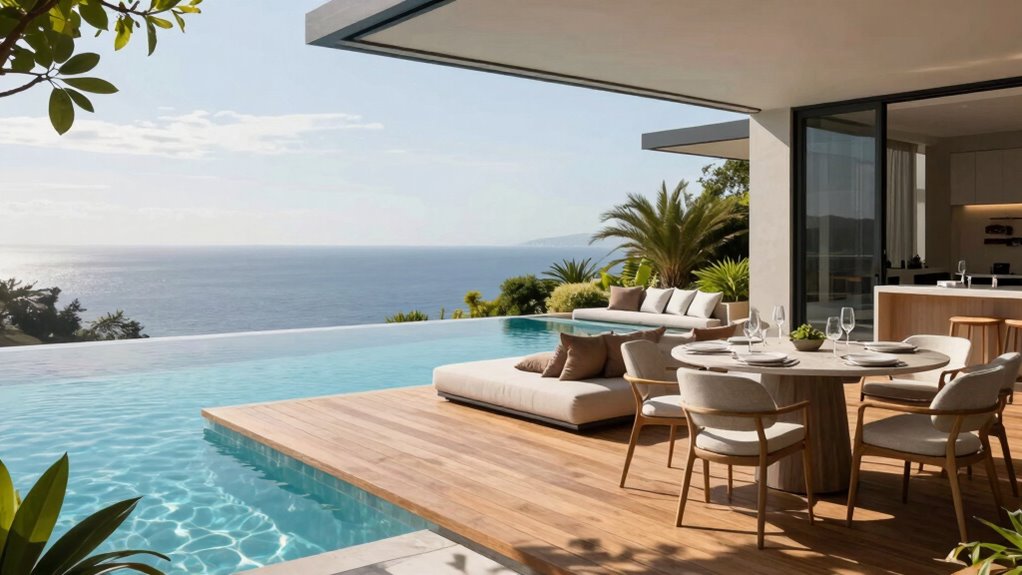
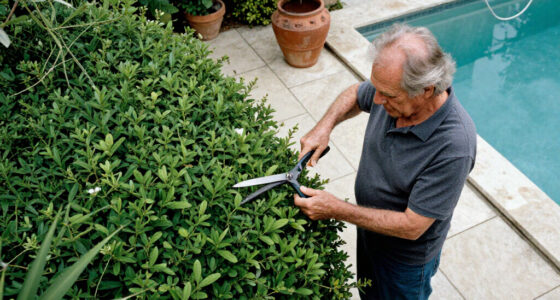
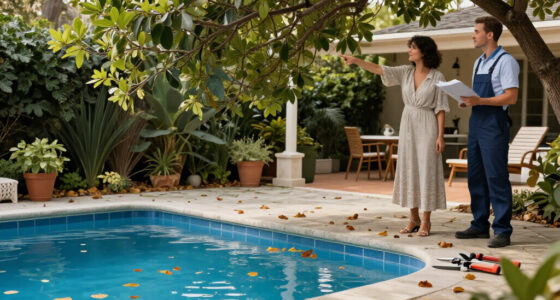
Creating a seamless outdoor space that combines dining, lounging, and swimming zones can transform your backyard into a versatile retreat. The key to achieving this lies in thoughtful landscaping design that naturally blends each area while maintaining functionality and aesthetic appeal. First, you’ll want to map out your space, considering how each zone flows into the next. Use different textures, plants, and materials to create visual separation without disrupting the overall harmony. For instance, installing a stone pathway or a wooden deck can delineate your dining area from the lounging space, while lush shrubbery or low fencing can subtly mark the pool zone.
Thoughtful landscaping blends zones with textures, plants, and materials for a harmonious outdoor retreat.
Outdoor lighting plays an essential role in unifying your backyard and extending its usability into the evening. Well-placed lighting fixtures highlight key features like the dining table, fire pit, or pool, adding both safety and ambiance. String lights draped over the lounge area create a cozy, inviting atmosphere, while spotlights can accentuate landscape elements or architectural features. Consider layering your outdoor lighting with a mix of task lighting, accent lighting, and ambient lights to guarantee each zone is functional and visually appealing. Solar-powered lights or low-voltage LED fixtures not only save energy but make installation easier, giving you more flexibility to adjust your design as needed.
When planning your landscaping design, think about how natural elements can bring your zones together. Incorporate integrated planters along pathways or around the pool to soften hard edges and provide privacy. Use strategic planting to create a sense of enclosure and intimacy in each space, which encourages relaxation regardless of where you’re sitting. To keep everything cohesive, select a consistent color palette or style for furniture, accessories, and decor across all zones. This approach helps your outdoor space feel like one harmonious retreat, rather than a patchwork of disjointed areas.
Finally, focus on furniture placement and multifunctionality. A large, weather-resistant dining table can double as a gathering spot for lounging with friends, while comfortable lounge chairs or sectional sofas should be positioned to face both the pool and the dining area. By carefully planning the layout and integrating your landscaping design with intelligent outdoor lighting, you create a backyard that’s not only beautiful but also practical. This seamless combination of zones ensures you get the most out of your outdoor space, whether you’re hosting a dinner party, relaxing with family, or enjoying a invigorating swim under the stars.
outdoor dining table weather resistant
As an affiliate, we earn on qualifying purchases.
As an affiliate, we earn on qualifying purchases.
Frequently Asked Questions
How Do I Ensure Privacy Between Zones?
To guarantee privacy between zones, you should use privacy screens or barriers strategically placed to create clear zone separation. These screens block sightlines, giving each area a sense of enclosure. Consider using plants, furniture, or architectural features to add natural separation. By thoughtfully combining these elements, you’ll maintain a private and comfortable environment, allowing each zone to serve its purpose without feeling exposed to others.
What Safety Measures Are Recommended for Pool and Dining Areas?
You should install proper pool lighting to enhance safety during evening use and prevent accidents. Selecting durable, slip-resistant dining furniture options will reduce the risk of falls and injuries near the pool area. Additionally, consider adding safety barriers or fencing around the pool, guarantee clear visibility between zones, and keep the area well-lit. These measures help create a safe environment, allowing you to enjoy your outdoor space with peace of mind.
How Can I Maximize Space in Small Yards?
Did you know that small yards can feel twice as spacious with smart design? To maximize space, focus on strategic plant selection—choose vertical or compact plants to free up ground. Use garden lighting to highlight key areas and create depth, while multi-functional furniture saves room. Combining these elements makes your small yard feel larger, more inviting, and functional, offering a perfect blend of style and practicality without sacrificing comfort.
What Materials Are Best for Multi-Use Surfaces?
You should choose materials that balance durability and aesthetics for multi-use surfaces. Concrete and composite decking are excellent for their strength, resisting weather and wear. Additionally, natural stone offers durability and a timeless look, while high-quality pavers add visual appeal. Consider slip-resistant finishes for safety and opt for colors and textures that complement your space. This combination guarantees your surfaces stay attractive and functional, no matter how you use them.
How Do I Manage Noise Between Zones?
To manage noise between zones, you should use acoustic barriers like wall panels or screens to block sound transmission. Soundproofing techniques, such as adding insulation or installing carpets and curtains, help absorb noise. Position these barriers strategically around the loudest areas, and consider using soft furnishings, which naturally reduce echo and sound spill. Regularly assess and adjust your soundproofing measures to maintain a peaceful, functional environment.
Conclusion
By thoughtfully combining dining, lounging, and swimming zones, you create a versatile outdoor space that maximizes enjoyment and functionality. Did you know that homes with integrated outdoor living areas see a 20% increase in property value? This statistic highlights how smart design not only enhances your lifestyle but also boosts your investment. Embrace innovative layouts to transform your backyard into a seamless retreat where relaxation, socializing, and swimming coexist effortlessly.
Fall Picks
fall essentials
As an affiliate, we earn on qualifying purchases.