TL;DR

Get pool and patio gear delivered free with Prime
- Fast, free delivery on millions of items
- Prime Video, Amazon Music and more included
- Member-only deals all year
An Ideal Home report outlines five ways gardeners can reuse autumn pruning clippings: make leaf mould, chop and drop plant material, create wildlife habitat, add suitable scraps to compost, and use clippings as mulch. The advice comes from gardening experts quoted in the report; it is practical guidance, not a new research finding.
An Ideal Home report has outlined five ways gardeners can reuse plant clippings this autumn: turn leaves into leaf mould, chop suitable stems onto borders, leave some material for wildlife, compost safe plant waste, and use clippings as mulch. The recommendations, attributed to horticultural and gardening experts, offer alternatives to discarding pruning leftovers while warning against adding diseased or seeding material to compost and piling wet grass around plant crowns.
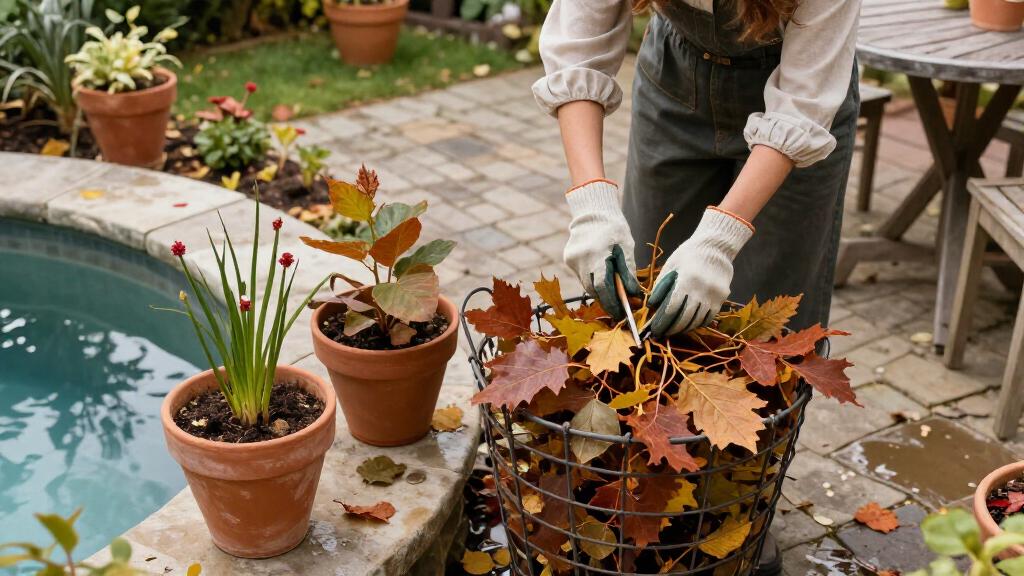
The report recommends collecting leaves from deciduous plants for leaf mould, a useful addition when preparing for flowers to plant in October. Horticultural expert Richard Barker advises putting the leaves in a black bin bag with air and drainage holes, loosely tying it and leaving it to decompose for about a year. Once dark, soft and crumbly, the material can be used as mulch or mixed with compost when planting.
A second option is “chop and drop”: cut spent perennial stems and foliage into smaller pieces and leave them on the soil surface in herbaceous borders. Gardening expert Melissa Quinney says the material can break down over winter, adding organic matter and providing habitat for beneficial insects, including pollinators such as bees and butterflies. The report also suggests leaving selected grass piles or hollow trimmed stems as shelter for overwintering insects, while keeping in mind autumn garden dangers for dogs.
For a compost heap, the report says soft stems, spent flowers, vegetable peelings and grass cuttings can generally be composted. Quinney cautions against adding perennial weeds, diseased material or plants that have gone to seed. The fifth option is using clippings as a thin mulch layer around plants. Barker warns that fresh, wet grass should not be laid thickly over plant crowns because it can become slimy, restrict air and contribute to stem rot.
Turning Pruning Waste Into Garden Resources
Reusing clippings can reduce the amount of garden material that needs to be removed while returning organic matter to beds and borders. Leaf mould and finished compost can be used later to condition soil, while chop-and-drop material decomposes where it is left. The wildlife option also links routine autumn pruning to shelter for insects.
The advice is most useful when applied selectively: not every clipping belongs in every part of the garden. Diseased plants, seeding weeds and thick layers of wet grass carry risks identified in the report. Sorting material before reusing it can help avoid spreading problems or harming plants.
leaf mould bin with drainage holes
As an affiliate, we earn on qualifying purchases.
As an affiliate, we earn on qualifying purchases.
Autumn Pruning Creates Reusable Material
The report focuses on plants that are commonly pruned in October, including shrubs, trees, hedges and perennials. It frames the clippings as a by-product of seasonal garden maintenance rather than material that must automatically be discarded. Some uses, such as chop and drop or leaving habitat piles, can be carried out immediately; leaf mould takes longer to mature.
The five suggestions draw on comments from Richard Barker of LBS Horticulture and Melissa Quinney of Cabin Master, as quoted by Ideal Home. The source does not present the recommendations as the result of a comparative trial, nor does it provide measurements of effects on soil, plant health or wildlife.
“You can use fallen or clipped leaves in your garden to make leaf mould.”
— Richard Barker, horticultural expert and commercial director of LBS Horticulture, quoted by Ideal Home
Limits of the Clippings Advice
The report gives general recommendations rather than instructions tailored to every plant, climate or garden condition. It does not specify how thick a mulch layer should be beyond advising that clippings be used thinly, or identify which local weeds and diseases require particular handling. The time needed for leaf mould can also vary; the report gives about a year as Barker’s guidance, not a guaranteed completion date.
Claims about improving soil or supporting wildlife are presented as expert advice in the article, without quantified results or named studies. Gardeners may need to check local guidance for disposal of diseased material and invasive or persistent weeds.
Using Clippings Through Winter
Gardeners following the report can sort autumn pruning material by type and condition: set aside healthy deciduous leaves for leaf mould, chop suitable perennial stems for borders, reserve clean plant matter for compost, and leave selected habitat piles where they will not obstruct paths or garden use. Any mulch should be applied thinly, with fresh wet grass kept away from plant crowns.
Leaf mould left to decompose through the coming months may be ready for use next year, while compost made from suitable materials can also provide a later soil amendment. The report does not announce a scheduled follow-up or a measured outcome; the next step is for gardeners to adapt the methods to their plants and local conditions.
Key Questions
What are the five suggested uses for autumn plant clippings?
The report recommends making leaf mould, chopping and dropping suitable stems onto borders, leaving some clippings as wildlife habitat, composting appropriate material, and using clippings as mulch.
How do you make leaf mould from clipped leaves?
Richard Barker advises putting deciduous leaves in a black bag with air and drainage holes, tying it loosely and leaving it to break down for about a year. Mature leaf mould should be dark, soft and crumbly, according to the report.
Which clippings should not go into a compost heap?
The advice from Melissa Quinney is to exclude perennial weeds, diseased material and plants that have gone to seed, as they may cause problems later.
Can fresh grass clippings be used as mulch?
They can be used cautiously, but Barker advises against packing fresh, wet grass thickly over plant crowns. A thick wet layer can become slimy, restrict air and contribute to stem rot.
How can clippings help garden wildlife?
The report says insects may overwinter in grass piles or hollow trimmed stems. As plant material decomposes, fungi and earthworms can also be attracted, providing food for other animals.
Source: rss
Columbus Day / Indigenous Peoples' Day Picks
long weekend sales
As an affiliate, we earn on qualifying purchases.