TL;DR

Get pool and patio gear delivered free with Prime
- Fast, free delivery on millions of items
- Prime Video, Amazon Music and more included
- Member-only deals all year
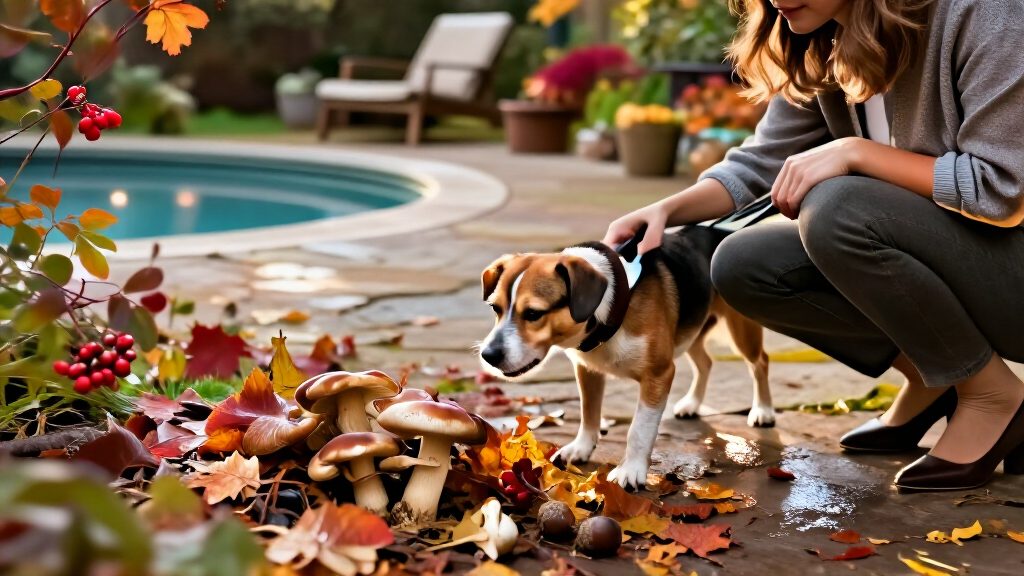
Veterinary surgeon Dr. Fabian Rivers has warned that autumn gardens can expose dogs to six hazards: conkers, acorns, rotting fruit, mushrooms, sticks and garden chemicals. The advice, published by Amateur Gardening, is to prevent dogs from eating or chewing these items and contact a vet if harmful ingestion is suspected.
Veterinary surgeon Dr. Fabian Rivers has warned dog owners about six potential hazards in autumn gardens: conkers, acorns, fallen fruit, mushrooms, sticks and garden chemicals. The advice, published by Amateur Gardening, says dogs may swallow or chew these items while exploring, with possible outcomes ranging from stomach upset and choking to more serious illness or an emergency veterinary visit.
Rivers said fallen conkers can irritate a dog’s stomach and may cause a blockage if swallowed whole or in pieces. He identified vomiting, diarrhoea, excessive drooling, lethargy and straining as signs owners should watch for. Acorns may also upset a dog’s stomach or cause more serious illness, and they can pose a choking risk, particularly for smaller dogs.
Fallen apples, pears, plums and berries can become hazardous as they rot, ferment or grow mould. Rivers said mouldy fruit, compost and decaying plants may contain toxins associated with vomiting, diarrhoea, shakiness, dizziness or twitching. The advice is to collect fallen fruit regularly and not leave it to decay where dogs can reach it.
Rivers also advised owners to prevent dogs from eating wild mushrooms, since it can be difficult to identify which fungi are toxic. Sticks and twigs can splinter or become lodged in a dog’s mouth, while falling branches may pose a risk during high winds. Slug pellets, fertilisers and other garden chemicals should be kept out of pets’ reach; the warning also covers residue in watering cans and old buckets.
How Garden Hazards Can Affect Dogs
The hazards described are common items that may be difficult to spot among fallen leaves or garden debris. A dog that picks up a conker, chews a stick or eats mouldy fruit may need veterinary advice, and a blockage or poisoning concern can call for urgent treatment. The source does not give treatment costs or estimate how often these incidents occur, so it does not establish how likely an expensive bill is.
The practical advice is focused on prevention: check the garden, remove fallen fruit and debris, store chemicals securely and supervise dogs outdoors. Owners should also be alert on walks, where conkers and acorns may be present beyond their own garden.
As an affiliate, we earn on qualifying purchases.
Autumn Items Behind the Warning
The warning is an advice report rather than a study of veterinary cases. Amateur Gardening attributes the guidance to Rivers, described in the article as an award-winning veterinary surgeon. He said autumn brings a mix of fallen seeds, rotting fruit, garden chemicals and sharp debris that dogs may pick up before owners notice.
The six hazards differ in how they may cause harm: some may be swallowed and irritate the stomach or create a blockage, while others may cause choking, mouth injuries or possible toxic exposure. Rivers said many UK fungi are harmless, but that owners may not be able to reliably distinguish safe mushrooms from toxic ones.
“Autumn can be a wonderful time of year for UK and as pet carers that often means great times in parks and gardens. It can also bring a surprisingly high number of hazards for dogs however.”
— Dr. Fabian Rivers, speaking to Amateur Gardening
Risks and Treatment Details Unreported
The report does not quantify how many dogs are affected by these hazards, give a publication date, or provide typical veterinary costs. It also does not identify specific toxic mushroom species or set out treatment protocols. The symptoms listed are warnings from Rivers, not confirmation that any one symptom proves a dog has eaten a particular hazard.
The source advises contacting a vet if mushroom ingestion is suspected and describes conker ingestion as potentially requiring emergency care. It does not provide a complete triage guide for every item. Owners should seek advice from a veterinary professional if they think their dog has swallowed something harmful or becomes unwell.
Prevention and Veterinary Advice
The report recommends collecting fallen fruit, clearing sticks and other debris, preventing dogs from eating conkers, acorns or mushrooms, and storing chemicals and contaminated garden equipment securely. Owners should supervise dogs in the garden, particularly during high winds when branches may fall, and remain watchful on walks.
If a dog may have eaten a potentially harmful item, contact a vet for guidance rather than relying on appearance or waiting for symptoms to settle. The report does not announce a formal campaign or further research; its next practical step for owners is to check their garden and keep potential hazards out of reach.
Key Questions
What six autumn garden hazards does the report identify?
It lists conkers, acorns, fallen fruit, mushrooms, sticks and twigs, and garden chemicals, including slug pellets and fertilisers.
What should I do if my dog may have eaten a mushroom?
Dr. Rivers advises owners to contact a vet if ingestion is suspected. The report says it can be difficult to identify safe and toxic fungi reliably.
Which signs does the report associate with conker ingestion?
Rivers lists vomiting, diarrhoea, excessive drooling, lethargy and straining. These signs do not by themselves confirm the cause; contact a veterinary professional if your dog is unwell or may have swallowed a conker.
How can I reduce autumn hazards in my garden?
Collect fallen fruit, clear sticks and debris, keep dogs from eating seeds and mushrooms, and store chemicals and equipment with chemical residue securely out of reach. Supervise dogs outdoors, especially in windy conditions.
Source: rss
Halloween Picks
halloween
As an affiliate, we earn on qualifying purchases.