TL;DR

Get pool and patio gear delivered free with Prime
- Fast, free delivery on millions of items
- Prime Video, Amazon Music and more included
- Member-only deals all year
Homes & Gardens gardening editor Rachel Bull presented a fall container planting recipe in a weekly Petals & Roots episode. The arrangement combines coneflower, sedum, heather, trailing thyme and ornamental grass in a large pot, with advice on drainage, planting order and watering.
Homes & Gardens gardening editor Rachel Bull has shared a fall container planting recipe in the publication’s weekly Petals & Roots video series, combining five plants in a large pot to create seasonal color and varied texture. The advice focuses on plant selection, drainage and planting order; the source does not report a new product launch or independent trial of how long the arrangement lasts.
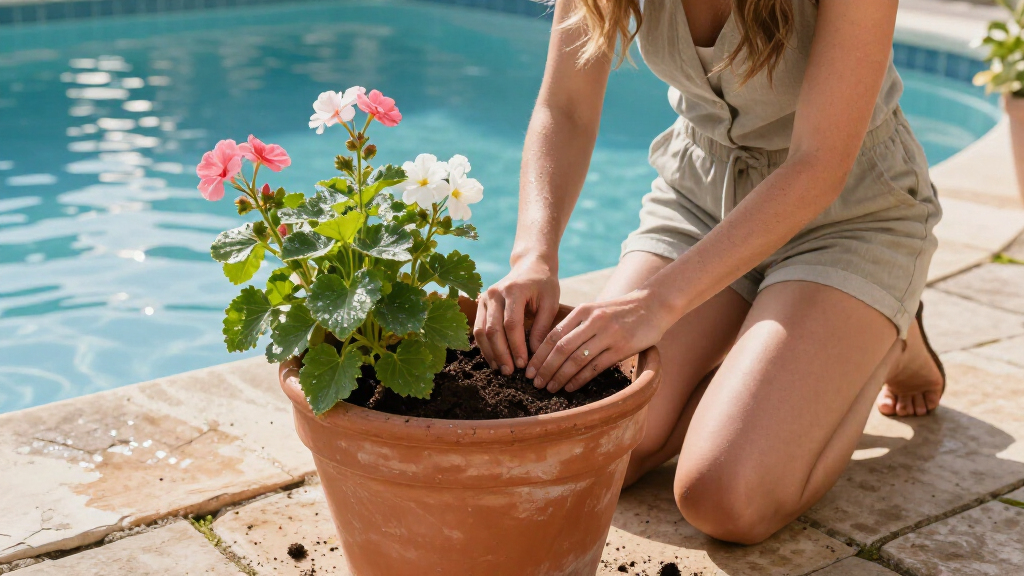
Bull’s arrangement uses coneflower, specifically Echinacea ‘Pumpkin Pie’ or a similar soft-orange variety; a peach-toned sedum; magenta Scotch heather; trailing thyme; and ornamental grass. The grass she names is Stipa tenuissima, also known as Mexican feather grass. She planted the combination in a large terracotta pot, while suggesting wicker or concrete as other planter options.
Her method starts with a container that has drainage holes and a layer of container potting mix. Bull says she adds grit or perlite to large pots to aid drainage, waters the plants before planting, and places the largest plant first to give it room and make it easier to arrange the smaller varieties around it. She then adds more mix to raise the smaller plants into position.
After planting, Bull recommends watering the container where it will stay, because a large pot can become too heavy to move once its soil is wet. She says to monitor moisture and not let the mix dry out. The report presents these as her gardening recommendations; it does not provide measurements for the pot, soil, amendments or watering schedule.
How the Five Plants Work Together
The recipe gives readers a practical way to build a layered fall display rather than selecting plants one at a time without a plan. Bull’s approach assigns different roles: the coneflower provides height and structure, sedum adds warm-toned foliage and flowers, and heather contributes a contrasting color and texture. Trailing thyme softens the pot’s edge, while the ornamental grass adds movement and an airy finish.
That combination is relevant to gardeners seeking color as the season changes, especially where a single container can serve as a focal point on a patio or near an entrance. Bull says the coneflower can continue flowering through fall and retain structure after flowering, and that heather can provide interest through winter. Those are the source’s seasonal claims, not a guarantee that every plant will perform the same way in every climate or container.
The practical instructions also address a common container challenge: balancing a full-looking arrangement with growing space and drainage. Starting with the largest plant and filling around it can make placement easier, while watering in the pot’s final position avoids moving a heavy, saturated planter. The source does not quantify the arrangement’s lifespan or compare it with other planting recipes.
Products Worth Considering

eufy Security SoloCam E42 4-Camera Kit, 4K Solar Security System

Levoit Core 600S-P Smart Air Purifier for Large Rooms

Arlo Essential Wireless Security Camera 2K (3rd Gen) – 3-Cam Kit with Yard Sign
As an affiliate, we earn on qualifying purchases.
Inside the Petals & Roots Episode
Petals & Roots is described by Homes & Gardens as a weekly video series led by Bull, the publication’s Head of Gardens. The report says she shares seasonal gardening and flower-arranging advice on social media. This episode centers on her preferred fall container combination and the process of planting it.
The source names plant examples and retailers, including a similar orange coneflower from Plant Addicts, a sedum example from Nature Hills and thyme plants available through Amazon. Those references identify suggested products or comparable varieties; they do not establish that the named shops sponsored the advice or that every suggested listing remains available.
“The secret to a professional-looking fall container is to think about the plants as a whole rather than choosing individual varieties in isolation.”
— Rachel Bull, Head of Gardens at Homes & Gardens
What the Recipe Does Not Establish
The report does not specify when the episode was published, the planter’s dimensions, exact quantities of potting mix or drainage amendment, or a regular watering interval. It also does not give a measured period for how long the container keeps its color, despite describing the recipe as intended for long-lasting seasonal interest.
Plant performance can depend on local weather, light, container size and care, but the article does not give climate-specific guidance or report results from a controlled comparison. The source also does not say whether the precise plant cultivars are available in all locations. Its recommendations should be read as Bull’s recipe, not a guarantee of a particular outcome.
Applying the Recipe at Home
The next step for readers is to choose a suitably large planter with drainage holes, check that the selected plants suit their growing conditions, and follow the planting order Bull describes: coneflower first, then sedum and the smaller plants, with trailing thyme and grass placed to shape the edges and upper layer. Watering in the container’s final position can reduce the need to shift it when heavy.
No follow-up test or additional episode date is specified in the source. Readers looking for exact cultivar availability, local suitability or ongoing care details will need to check current plant information and adapt watering to their conditions.
Key Questions
Which plants are in Rachel Bull’s fall container recipe?
The arrangement includes coneflower, peach-toned sedum, magenta Scotch heather, trailing thyme and ornamental grass. Bull names Stipa tenuissima as her grass choice.
What kind of planter does the recipe use?
Bull planted the combination in a large terracotta pot and says wicker or concrete are alternatives. She recommends choosing a planter with drainage holes.
In what order should the plants be added?
Bull starts with the largest plant, the coneflower, then adds sedum and the smaller plants. She adds more potting mix as needed to raise the smaller varieties into position.
How does Bull recommend watering the finished container?
She advises watering it in its final position because the pot can become too heavy to carry after the soil absorbs water. She also says to watch moisture and not let the mix dry out; no fixed watering schedule is provided.
Does the source guarantee color through winter?
No. Bull says the heather can look attractive through winter and the container can provide seasonal interest, but the report gives no measured duration or guarantee. Results may vary with growing conditions and care.
Source: rss