TL;DR

Get pool and patio gear delivered free with Prime
- Fast, free delivery on millions of items
- Prime Video, Amazon Music and more included
- Member-only deals all year
Gardening Know How reported that zip-up horticultural fleece jackets can help protect plants from frost, wind and snow, with suitable covers depending on plant type and local cold. The report says heavier fleece offers more insulation but blocks more sunlight, so gardeners should check the product’s weight rating and open covers for ventilation when needed.
Gardening Know How has published guidance on using zip-up horticultural fleece jackets to help protect garden plants from winter frost, wind and snow. The report says the covers’ insulation depends on fleece weight, while heavier material also blocks more sunlight, making plant type and local conditions important when choosing a jacket.
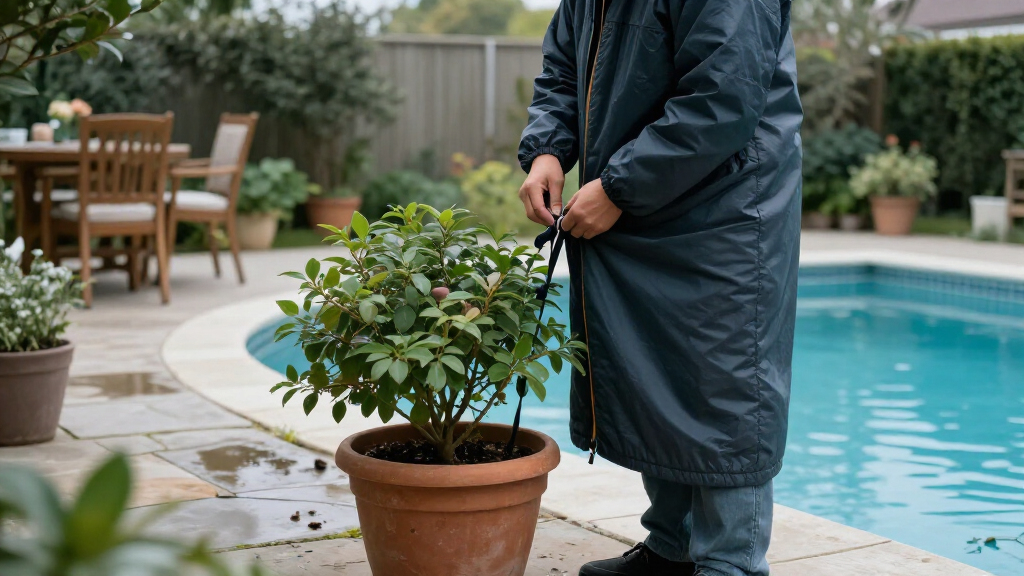
The article describes frost jackets as covers made from horticultural fleece, typically a non-woven material made from polypropylene. Jackets with zippers and drawstring bases can be fitted around plants and opened for airflow. The report recommends checking the product label or online description for its weight rating, measured in grams per square meter (gsm) or ounces per square yard.
According to the report, medium-weight fleece of 30–35 gsm provides about 4°F of protection and lets through roughly 65% of sunlight. Heavy fleece at 50–60 gsm provides about 7°F of protection and lets through around 50% of sunlight. Ultra-heavy fleece at 70–100 gsm is described as providing about 8–10°F of protection while allowing around 20–30% of sunlight through. These are the article’s approximate ratings, not a guarantee of protection in every garden or weather event.
The source also describes 17 gsm fleece as a light cover for late-season crops, with about 2°F of protection and 85% light transmission. It says banana plants and tree ferns in cold areas may need straw or other insulation beneath a fleece cover; the jacket can help shield the wrapping from wind and rain. For deciduous shrubs, the report says heavier covers can be used without concern about winter sunlight, while evergreen plants need light and fresh air.
Match Fleece to Plant Needs
Choosing a cover is a trade-off between cold protection and light. A heavier jacket may provide more insulation, but if left over an evergreen plant it can reduce the sunlight available. A lighter cover may suit a hardy evergreen exposed to wind or snow, while a more tender plant in a colder location may need added protection during severe weather.
The advice also matters for plants whose vulnerable parts are not the whole plant. The report says a late frost can damage early flower buds on camellias and magnolias, even when the shrubs can otherwise withstand winter. It also identifies young fruit trees’ thin bark as vulnerable to splitting in freezing conditions. These examples underline that frost protection needs vary by plant and by the timing and severity of cold weather.
The stated temperature figures are approximate product guidance, not a substitute for checking a plant’s hardiness or the forecast. Gardeners should use them as one factor in deciding what to cover and when.
Products Worth Considering

Dyson Car+Boat Cordless Handheld Vacuum

Roborock H60 Ultra-B Cordless Stick Vacuum Cleaner

Hisense 85 U7 Mini-LED ULED 4K UHD Smart Google TV (85U7SG, 2026)
As an affiliate, we earn on qualifying purchases.
Why Jacket Weight Matters
The report frames frost jackets as one part of winterizing a garden, rather than a single solution for every plant. It suggests medium-weight fleece for many evergreen plants exposed to snow, hail or wind, and heavier fleece for dormant deciduous shrubs that do not need winter sunlight. Tender evergreen plants such as olives and citrus may need more protection in colder climates, according to the article.
For particularly cold conditions, the report suggests using heavy fleece as an extra layer over a medium-weight cover or opening a heavier jacket regularly if it is the main cover. Early-flowering shrubs, by contrast, may only need a jacket overnight when frost threatens. The source does not give a publication date or identify specific products as independently tested.
Limits of the Protection Figures
The source gives approximate insulation and sunlight-transmission figures by fleece weight, but it does not explain the testing method or specify the conditions used to calculate them. Actual results may vary with cover fit, exposure, duration of cold and other garden conditions. A frost jacket should not be treated as a guarantee that a plant will survive a freeze.
The article does not provide a location-specific winter plan, identify a minimum temperature for each plant or set out instructions for every climate. It also does not quantify how often covers should be opened. Gardeners need to assess local forecasts and the needs of their own plants, particularly where a cover will remain in place for an extended period.
Check Forecasts and Cover Fit
Before cold weather arrives, gardeners can check each jacket’s gsm rating and dimensions, then match the cover to the plant’s sunlight needs and expected exposure. The report advises choosing zippered designs that can be opened for ventilation, especially for covers used on evergreen plants or left in place through winter.
When frost is forecast, the article recommends using a jacket overnight for vulnerable early-blooming shrubs and adding heavier protection for tender plants when conditions call for it. The next step is to monitor weather and plant conditions and adjust or open covers during milder periods. The source offers general guidance, not a forecast or a guarantee of outcomes for any particular garden.
Key Questions
What does a frost jacket do?
A horticultural fleece jacket covers a plant to help reduce exposure to frost, wind, snow or sleet. The source says protection varies by fleece weight and conditions.
Which fleece weight gives the most protection?
The report says 70–100 gsm ultra-heavy fleece provides about 8–10°F of protection, but allows only around 20–30% of sunlight through. Those figures are approximate, not guaranteed results.
Can a frost jacket stay on an evergreen plant all winter?
The article says evergreens need sunlight and fresh air and recommends medium-weight fleece for general protection. It advises opening heavier covers regularly if they are used as the main cover.
Do banana plants need more than a fleece jacket?
For banana plants in colder zones, the report says fleece alone may not protect against deep chill. It describes using layers of insulating straw around the plant, with fleece helping to keep the wrapping in place and shield it from wind and rain.
When should I cover camellias or magnolias?
The source says these shrubs may need a medium- or heavy-weight jacket overnight when a late frost or cold snap threatens their developing flower buds.
Source: gardeningknowhow.com